

Comparing Window Framing Materials: Vinyl, Aluminum, Wood and Fiberglass
When deciding to install new windows in your home, style and appearance are important, but knowing which window glass types are best for your climate is another factor to consider. Sunlight, humidity, freezing rain, extreme cold, and endless rainy seasons can all affect the performance and longevity of the window framing material. Additionally, some glass window types will resist heat flow better and make your home more energy efficient.
According to the experts at This Old House, good window frame designs are those with heat welded joints rather than mechanical fasteners. Screwed joints leave the possibility of separation and future leaking. All glass window types have benefits and drawbacks. Speak with a professional window supply and installation service to make sure you make the best decision for your home. Learn more about the types of window frames for houses below!
Vinyl Windows Offer Great Value
Vinyl windows are an inexpensive choice and are suitable for most climates. It's the best window frame material for keeping heat in for lower energy bills and the scratch-resistant material does not require painting. Vinyl windows are available in a wide choice of factory colors and many sizes.
According to Energy.gov, choose a vinyl window with insulation for improved thermal properties. Extremely hot climates may discolor the vinyl window material and generally do not add much resale value to your home when compared with other window frame options.
Maintenance-Free Aluminum Windows
Aluminum windows are sleek and modern, and they are also an economical choice for window material. Aluminum windows are strong which means they will last for decades, yet they are very lightweight and attractive. Most manufacturers will apply a powder coating or anodized finish to resist fading and scratching.
Aluminum framed windows are weatherproof and will not corrode. In colder climates, aluminum framing materials are at a disadvantage because they are not energy efficient which also leads to problems with frost or condensation forming inside. A double pane window with conductive insulation will improve the windows thermal properties.
The Strength of Fiberglass Windows
Fiberglass windows have very good thermal properties and are a low maintenance choice for homeowners. These frames can be painted in a wide variety of colors and the material's excellent stability means a wide range of window styles and custom frames will use fiberglass as the material of choice.
A fiberglass and vinyl windows comparison shows that fiberglass has less chance of warping and is a stronger material. They are an eco-friendly option composed of glass fibers making them recyclable. One of the disadvantages of fiberglass windows is that you’ll pay more for them, but they have do more availability in a wide range of unique colors.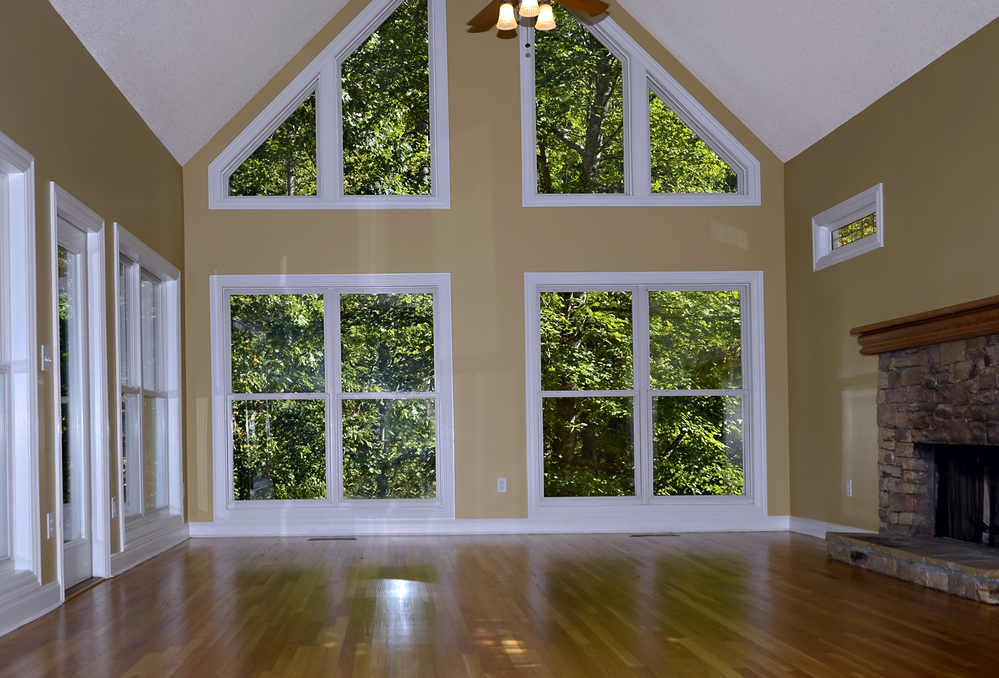
The Beauty of Wood Framed Windows
It is hard to deny the beauty of a home with wood-framed windows, yet this exceptional appearance comes at a price. You will certainly pay more for wood, and these frames will eventually acquire mold, mildew, or rot due to alternating weather conditions. Wood window frames will require periodic cleaning, caulking, sanding, and staining to maintain a quality appearance. Still, wood framed windows are a positive factor for a home property value. Also expect exceptional thermal properties, as wood resists the transfer of heat and cold.
Key Takeaways to Remember
- For most applications where budget is a factor, vinyl windows are an excellent choice
- The longest-lasting modern window frames with low maintenance are fiberglass and aluminum
- If you plan to change window frame paint periodically, vinyl cannot be repainted - where fiberglass can
- Aluminum window frames have a modern appeal and are good choices for contemporary house designs
- Consider the humidity and rain amounts in your area if you are considering wood framed windows
RWC Windows, Doors & More has been a trusted remodeling service provider in the New Jersey area since 1959. We are a family-owned and operated business with award-winning projects completed across the state. Contact us for your next home remodeling project or to learn about the window materials mentioned above. We also specialize in kitchen and bathroom renovations, making RWC a one-stop provider of custom home remodeling.

Do You Know How to Choose the Right Contractor for Your Home?
Home renovations are always key investments that not only make your home better and more comfortable to live in, but also increase its resale value. However, if you settle on the wrong home remodeling contractor for your home, your project’s failure and excessive re-work costs down the road are imminent. So, how can you choose the right contractor for your renovations?
Start by planning your project
Before proceeding to search for a contractor, it is imperative that you start by planning the requirements of your project keenly. A contractor will most often deliver what a client requests, unless the client asks for suggestions from the contractor. Make a detailed plan of your project and visualize what you would like to see as the end results of your home renovations. This way, you can easily explain to potential contractors what you want in a clear manner, making it easy for them to be on the same page as you.
Ask for referrals
This is still one of the best ways to find the right contractor for your home renovations. Ask your close friends, neighbors, relatives, real-estate agent, homebuilder’s association or colleagues at work for names of good contractors they have worked with before. Getting a referral by a trusted source improves your chances of meeting the right contractor for your project ten-fold. However, make sure that you are specific of the type of contractor you need, and that the contractor referred to you has expertise in the specific type of project you want handled.
Narrow down your list of potential contractors and conduct interviews
Once you get referrals to several reliable contractors, proceed to check their websites and online reviews to help you narrow down your list to at least 3 potential candidates. Call these three candidates or meet them in person for a detailed interview to see who fits your project better. Take this time to have the contractor’s explain how they plan on meeting schedules and budgets from the project’s inception to the end. This is also when you ask any burning questions you may have about the project.
Carry out some further research on your potential contractors by:
Consulting their past clients. Request the contractor to connect you with several of their past clients to find out their experience. If you cannot connect with previous clients, look for reviews on Facebook, Houzz and Google.
Scope out out their previous projects. The contractor should be able to provide you with a list of their past projects so that you can see their workmanship. Check out projects on Houzz and ask to see their portfolio of work. This way, it is easy to tell between a poorly and a professionally completed project.
Is the contractor certified and licensed? Check whether the contractor has the required licenses and certification to work in your area. You can confirm with your local building authority on what is required of your renovation contractor. You can also check if they belong to the National Association of The Remodeling Industry or the National Association of Home Builders.
Check if the contractor is insured. The contractor should have liability insurance to cover for damages on your property as a result of his work (such as accidental flooding), as well as a worker’s compensation plan in case any of their workers is injured on-site.
Get everything in writing
After settling on the right contractor for your project, retain a copy of the contract. The contract should enlist key details about project schedules, payment plans, and consequences of contract breach. Read the contract carefully and make sure you understand it well.
Takeaways:
Steps to help you choose the right contractor include:
- Planning for the project
- Asking for contractor referrals
- Interviewing contractors
- Carrying out background checks on the contractors
- Signing a contract
Now that you've got these tips to find the right contractor for your home renovation, what are you waiting for? RWC Windows and Doors are professional home remodeling contractors with all the required licensing, insurance, and proven track record of successful projects. Find out more about their services today!
The Perfect Paint Colors for Every Room in Your Home [INFOGRAPHIC]
Choosing the perfect paint colors for every room in your home can be a daunting task, especially considering that there are thousands of paints in the market today. While going with one single color throughout may seem like an easy idea, it isn’t always the best as some rooms are better off with different colors. The kitchen, for example, requires a paint color that either makes it look sparkling clean (pure white) or a color that acts as an appetite stimulant (orange or red). The bedroom on the other hand requires a color that can evoke romantic vibes and deliver a relaxed feeling.
Here are key tips on how to pick the perfect paint colors for your rooms: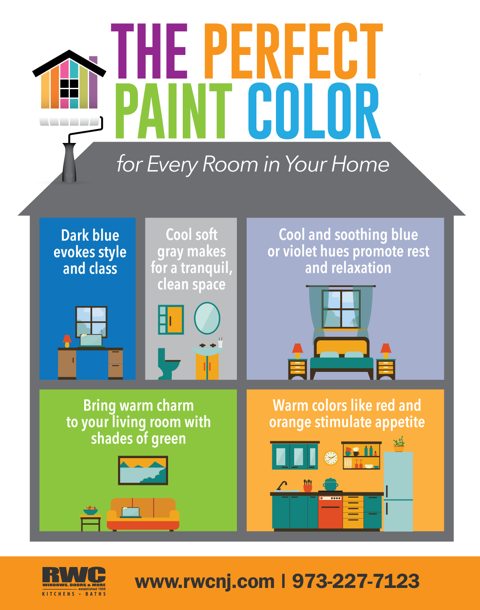
Kitchen
Let’s start with the heart of the home. The kitchen is often where most people start their days. Warm colors such as red and orange are believed to help stimulate one’s appetite and are always a great choice for the kitchen. The colors are also versatile and come in a wide range of shades that can really help your kitchen to pop.
White is also one of the perfect paint colors for walls in a kitchen. It gives the room a fresh and clean feel, as well energizes and brightens it up. It also works as a perfect background color, giving you a chance to play around with other colors for the backsplash, countertops and cabinets.
Bedroom
The bedroom is another important room that requires specific colors on its walls. In this space, you are most likely looking for a place to rest, relax, and get some sound sleep. You may also be looking for a wall paint color that helps evoke some romantic atmosphere. Cool and soothing blue colors are often the most commonly used colors in the bedroom. Muted and pale tones of blue have a lighter shade which creates a soft look that is perfect for a relaxation room.
A cool shade of violet is perfect for the walls as it has a soothing hue that is ideal for evoking spiritual healing and romantic vibes.
Living room
Living room walls are some of the easy ones to play around with. A living room sets the impression of your house to guests. Some of the best paint colors for walls in the living room include dusty pink, velvet-blue, shades of green, and shades of red as well as orange. Most shades of these colors are best at bringing a warm charm to your living room, and when matched up well with antiques and other interior decorations, they can easily leave your guests with a “wow” effect.
Bathroom
Natural paint colors are always the best for bathrooms. They offer a wide range of possibilities and can make even the smallest of spaces to still feel luxurious and serene. A warm and cozy taupe color paired with shades of light pink, green, or blue can be one of the best options for your bathroom. A cool and soft gray also works great in helping conjure up a feeling of tranquility and freshness. A soft turquoise reminiscent of the ocean or beach additionally gives you a serene spa-like environment to enjoy your showers.
Home office
The traditional black and white combination of office’s colors has still not gone out of style. You can opt for this combination or if you want to spice things up a little, consider a nice dark blue color or even a nice shade of red to evoke class and style in your office.
These are some of the perfect paint colors for the various rooms in your home. However, your choice of color for any room should always lean towards your tastes and preferences. The best way to find out the best color for your home’s walls is to see an already completed project in person so that you can have a picture of the end result in your head. Also, here is a list of 29 color ideas for every room in your room that you can check out. All in all, consider consulting a professional from reputable service providers like RWC in New Jersey for advice on the best room color combinations to use in your home.
4 Home Improvement Projects that Qualify for Energy Tax Credits
Taxpayers have been enjoying numerous energy tax credits from the federal government on home improvement projects that boost their home’s energy efficiency. At the end of 2016, the clock expired on some of the federal green energy and home efficiency tax credits. The exception was solar energy projects (which will be available up to 2021) and the EEM (Energy Efficient Mortgage) program which will be available indefinitely.
At the moment, here are 4 home improvement projects that may qualify you for energy tax credits as you prepare to file your tax returns in April 2018.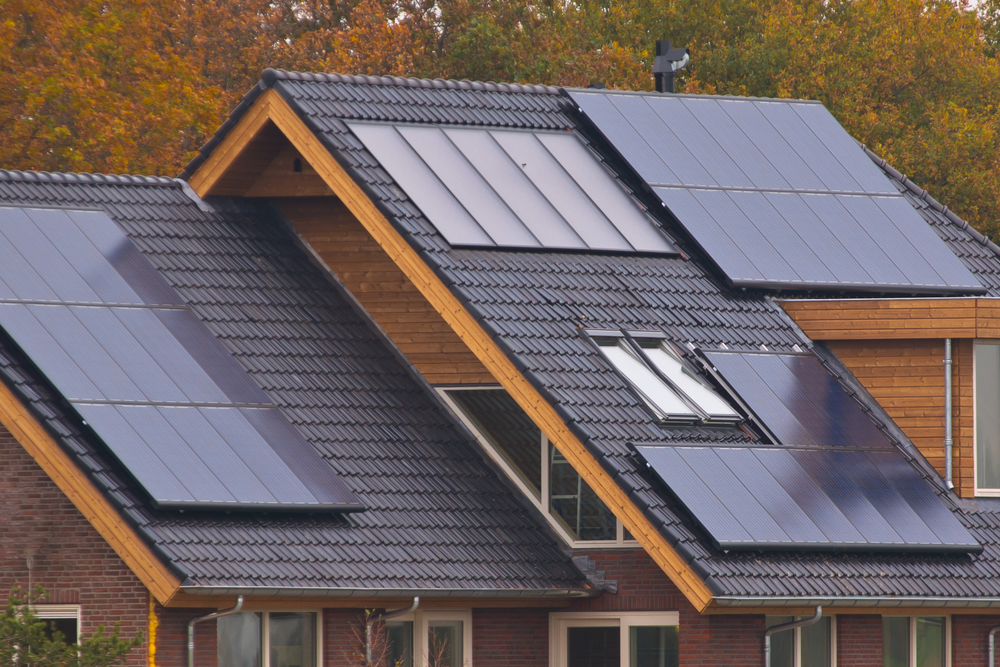
1. Solar energy home improvement projects
Installing Solar water heaters or solar panels may qualify for a tax credit equal to 30% of the total cost of the equipment and any associated installation costs. These tax credits are available through 2021, but will gradually decrease to 26% in 2019, 22% in 2021, and then expire by December 31, 2021. The tax credit on these home improvements can be claimed on newly constructed homes and existing homes (including 2nd homes). Rental properties do not qualify.
For the solar heaters to qualify for home energy tax credits, they must produce at least half their energy from solar and be certified by the SRCC (solar rating and certification corporation). However, all energy-star rated solar water heaters quality. Solar panels that qualify must be generating electricity for the residence alone. They must also meet the necessary electrical and safety code requirements.
2. Wind power generation projects
Installing small wind turbines power up your home, save on utility bills, and qualify you for energy tax credits. Small wind turbines qualify for a tax credit of 30% calculated against the total cost of purchasing equipment plus the installation costs. Lucky for you, there is no higher limit on the credit size! The wind turbines must have a generating capacity of no more than 100 kW, which is the maximum capacity output for turbines under ideal wind conditions to qualify you for the tax credit. The credit is also only applicable to new and existing homes (both primary and second), but not on rentals.
3. Installing geothermal heat pumps
Geothermal heat pumps will also qualify you for a tax credit equal to 30% of the total equipment purchase as well as installation costs. There is also no upper limit on the amount of credit you get here. To qualify, your geothermal heat pumps must meet certain performance and efficiency standards laid out by the Department of Energy. According to the Energy Department also, geothermal heat pumps consume 25% to 50% less electricity than the traditional HVAC systems. They can be used for water heating, home heating, and air conditioning. The tax credit applies to projects undertaken in new and existing homes (both primary and second), but not on rentals.
4. Installing fuel energy cells
Fuel energy cells may be quite expensive to purchase and install, but the federal government assures you of a 30% tax credit on the total cost of equipment and installation fees. However, there is an upper limit of $500 per 0.5 kW of generating capacity in this case. The system also has to achieve efficiency ratings of 30% and above, or have a generating capacity of at least 0.5 kW. The tax credit is applicable in existing and newly constructed homes only. Rental properties and second homes do not quality.
Takeaways
- Beginning January 2017, some of the federal green energy and home efficiency tax credits were discontinued
- Home improvement projects qualifying for tax credits include; solar, wind, geothermal and fuel cell power production projects
- Solar, wind, geothermal, and fuel cells power projects qualify for a 30% tax credit
- You may claim tax credits on projects either on your newly constructed home, second home, or rentals. Check the specifics of each, as the fine print varies.
If you undertook any of the above projects last year, apply for tax credit from the IRS by filing Form 5695 with your federal tax return. For more information on energy efficient windows, doors and more, contact the professionals at RWC Windows Doors and More right away!
How a Home Energy Evaluation can Save You Green
The idea of maintaining an energy efficient home isn't necessarily about the concept of, “Go Green!” in the sense of keeping an eco-friendly lifestyle. It serves the practical function of saving you some green in the form of spending on your monthly heating and cooling bills. Often, excess energy is wasted through subtle means. While you may not realize you're losing heat through a window or door draft, this loss adds up over time. Consequently, the more heated or cooled air you lose from inside, the more your HVAC system has to run. As a result, the more your HVAC system is running the higher your power bill is going to be.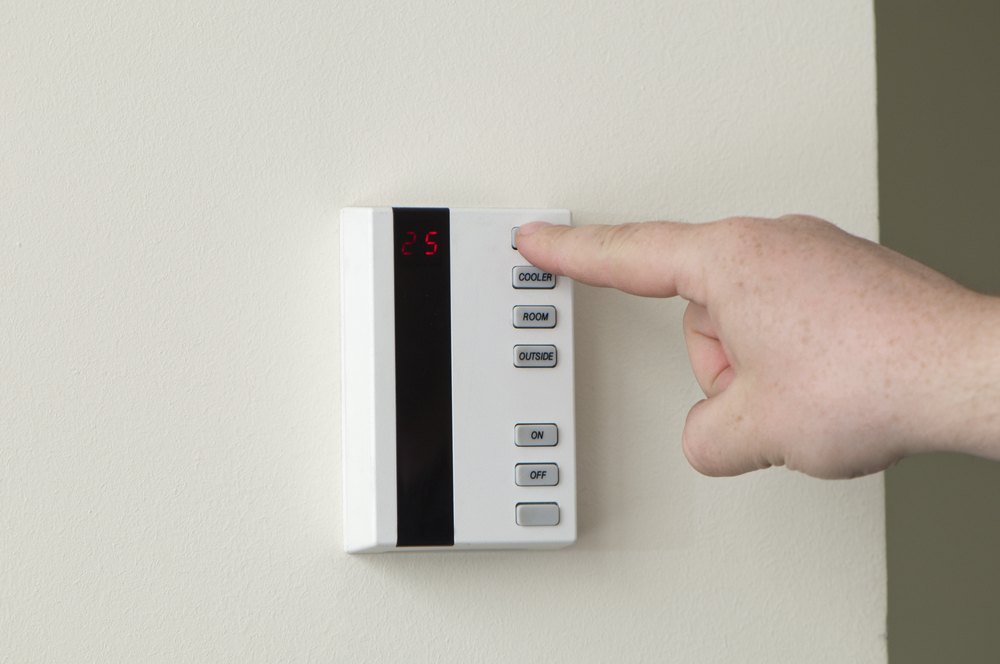
Conducting a Home Energy Evaluation
According to EnergyStar, you can conduct an informal home energy evaluation of your own home to determine potential weak points where you're losing money. Of course, if you don't work in the field you probably aren't going to be as efficient as a professional who understands common points of energy loss and has specialized equipment to evaluate such places, but you can certainly pay attention to what areas in your home always seem to feel cold during the winter, which rooms are never as comfortable as others, and check for noticeable drafts around windows and doors and then discuss with a contractor how to fix the compromised areas.
What to Expect with an Energy Assessment
Professional home energy auditing is going to start with the same type of assessment you've conducted, after asking about any problems you've noticed to review what might be causing them. Beyond that, the auditor will check the amount of insulation in your attic and in your basement or crawl space. Similarly, he may also check the insulation in your walls for integrity and make sure there is enough, especially if your home is older. During a thorough energy use investigation, the auditor might run a pressure test. This will tell them exactly where any air is escaping inside and outside your house. Additional tests may involve checking the temperatures in your floor and walls, or checking moisture levels in different places in your home.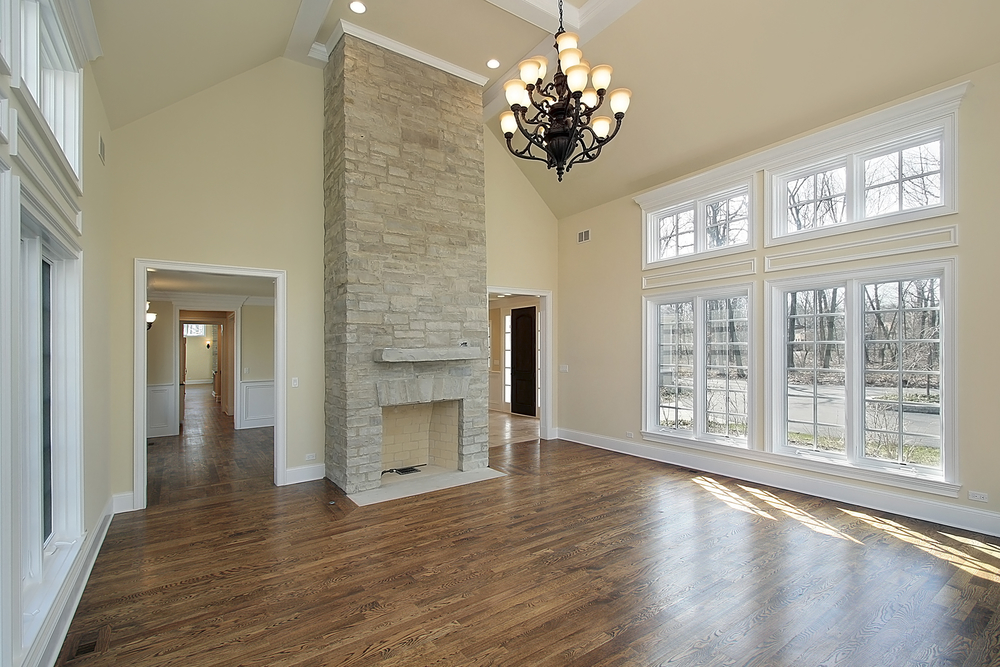
Common Ways to Save Energy
Hands down, the simplest way to improve your home's energy efficiency is with new windows. Windows can come out of alignment due to a variety of factors including:
- House settling over time
- Expansion in heat
- Contraction in cold weather
- Poor sealing
Compared to 5-10 years ago, there is better technology available with new windows. Likewise, doors are often a culprit of allowing cold air in and warm air out during the winter, or vice-versa during the summer. Replacing your old windows and doors with energy efficient options are a cost effective way to save energy and increase ROI.
Conclusion
- Conducting an energy assessment helps find which rooms are wasting power.
- Improving problem areas helps to lower your monthly electric bill.
- Perform an energy assessment to determine how to improve your home's energy efficiency.
- New windows are likely the easiest way to improve your home's energy efficiency.
- Doors are also a common source of drafts and energy loss.
What to Do Next
Once you've realized problem areas in your home, or need a professional contractor to assist in conducting a home energy analysis, contact us at RWC. We'll formulate a plan to make your house more energy efficient.
How to Select Trim Stains to Match Your Walls
Interior trim is one of the most significant aspects of a house décor that is often overlooked. Interior trim on walls can help you give your house some balance, highlight its core points of interest, and also set its character, style and tone. Trim is like the frame of a painting; particularly a stained frame, as it outlines and accentuates the beauty of what is inside. Here’s how to pick a trim color to match your walls:
Trim often takes the form of baseboards, window and interior door casings, crown molding, wainscoting and paneling and pillars as well as mantels. Most trims are constructed from wood, polyurethane and medium density fiberboard. However, trims come in different colors and stains which can be quite difficult to match with your already existing décor. Your tastes and preferences as well as the architectural style of your house will play a great part in determining the style of your wood trim color stain. So if you’re wondering what color to paint or stain interior doors and trim to match your walls, we have the answers you want below!
Painting stained trim can help you enhance and perfect the design style you envision for your home’s interior. Remember, as with any interior decor decision, you have to determine your end goal with the trim stains. What impression do you want the room to express? Do you want it to be modern, classical, sophisticated, dramatic, formal or just relaxed?
Here are tips on how to match the right trim straining with your walls: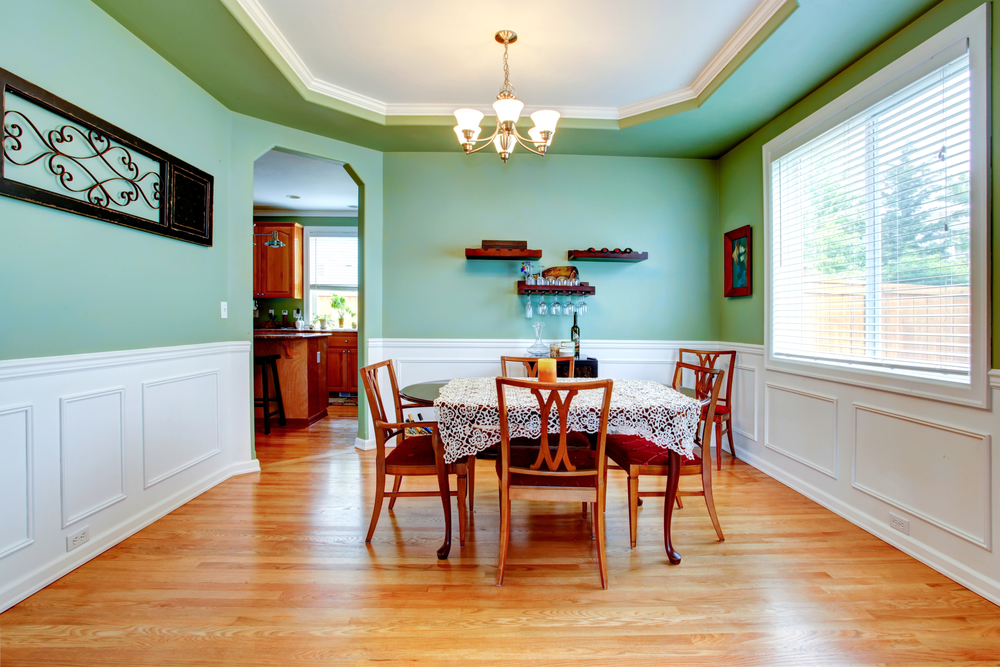
Matching Trim
For a contemporary space, it is recommended to go with a trim stain that blends seamlessly with the house’s walls. This can easily be achieved by painting stained trim color that matches that of the walls, or have a tinted version of the wall’s colors. Going with the same paint color for trims gives the room a unified, seamless and fresh look.
If your walls have a warm tone, the interior trim color ideas you should be considering should all be warm tones. Similarly, if they have a cool tone, it is best to opt for a cool trim tone. Staying with the same colors throughout prevents your house from looking disjointed and incoherent. In the case of open floor layouts, particularly where wall colors change from one room to the other, sticking with the same trim stain throughout creates a sense of cohesiveness throughout the home.
Light Trim
This is more common with classical and traditional interior designs. Many interior designers consider using white trim as the perfect way to decorate any house’s interior. White trims brighten up the space when used alongside dark walls. They make the wall color to pop out and also lighten up the space.
When used alongside light or muted wall colors, white trims make the wall colors to appear clean and crisp. Pure white trim staining often works great in rooms with great natural lighting as they have a classic reflective quality. For rooms with limited natural light, or those in northern climates, creamy whites with some warm undertones are better off than pure white.
Dark Stains
The use of dark trim stains has been a growing trend. Dark trim gives a room more depth than the light or white trims. They are dramatic and focus attention on the window and door frames. Additionally, they contrast very well when used alongside some modern trendy wall colors such as soft aquas and powder blues. While black or dark brown are common trim stain colors, there are a variety of other colors and shades to choose from. Consider going for a trim stain that is only 2 or 3 shades deeper than your wall’s colors.
Painting Trim to Match Walls Takeaways
- Trims are imperative in accentuating your home’s interior décor
- Most trims are constructed from wood, polyurethane and medium density fiberboard
- The trim stains you select for your home will largely depend on your tastes, preferences and architectural style of your house
- You can opt for trim stains that are of the same color with your walls, or go with trim stains that are lighter or darker
All in all, the trim stains you select for your home will largely depend on your tastes, preferences and architectural style of your house. Our pre-finishing services can help you get started on your next project. Your door or window trim can be painted or stained right in our warehouse, meaning you’ll get the perfect trim color, guaranteed. If you’re ready to complete your next project, contact us right away.
How to Prepare Your Windows and Doors for Winter [INFOGRAPHIC]
The cold winter months are here; meaning it’s time for you to prepare your windows and doors for the season if you haven’t already done so. The winter season can be a nightmare for you and your family if it finds you unprepared. You will not only have to put up with leaks and drafts, but also with poor insulation resulting in very high energy bills. In most cases, these high bills are due to ineffective windows and doors that act as poor insulators by letting the cold air in and the hot air out.
So, as the winter season sets in, it’s wise to inspect and prepare your windows and doors for winter. Check out our guide on how to get your windows and doors ready for winter: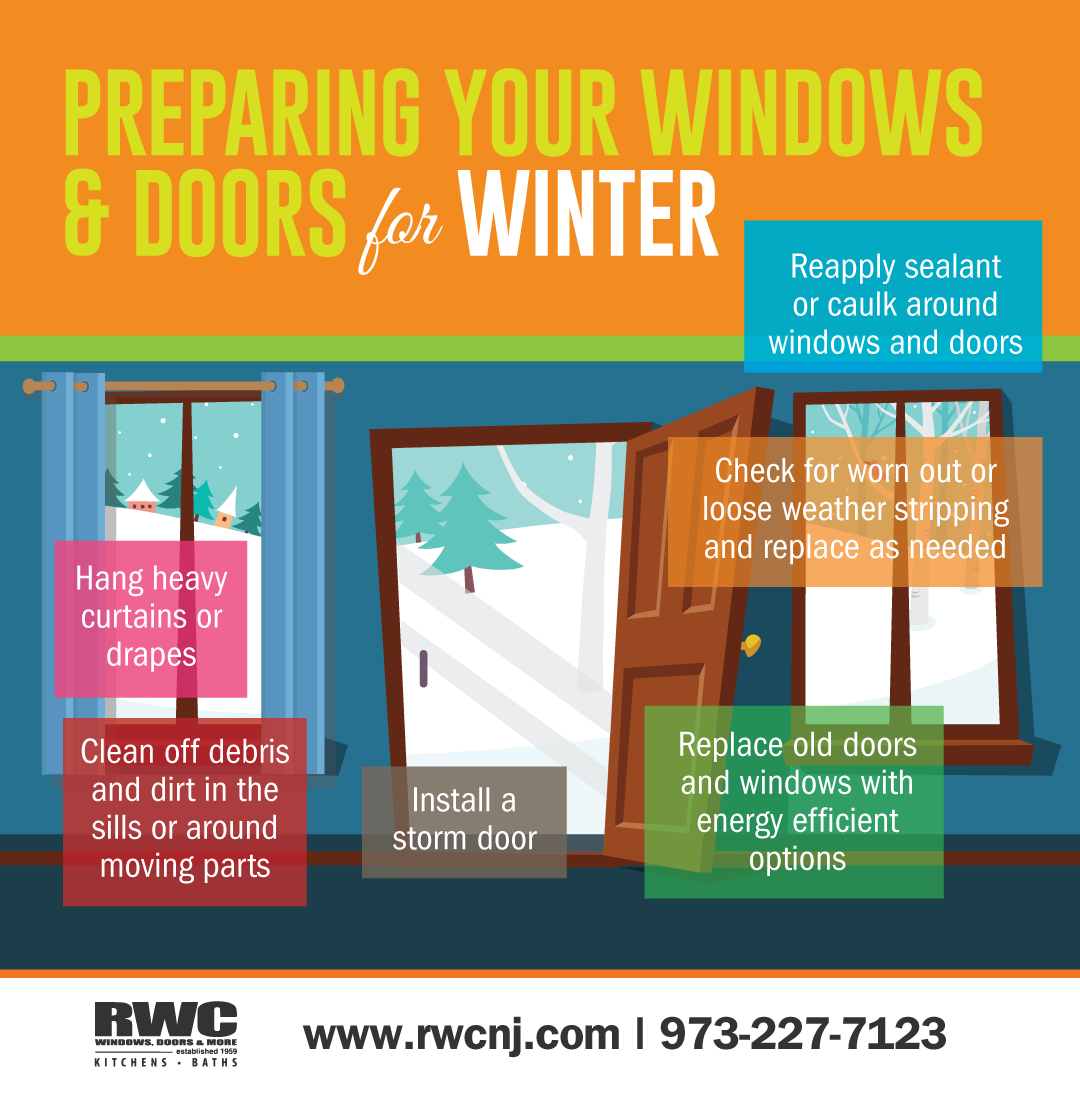
Examine Windows for Dirt and Cracks
- Clean off any debris and dirt in the sills or moving parts of windows and doors. Inspect your doors and windows and clean off any dirt or debris present in their moving parts and sills. Dirt and debris accumulate in these areas and prevent the doors and windows from creating a tight seal. This lowers their insulation performance.
Weather Stripping
- Check the state of weather stripping around doors and windows. Weather stripping may become worn out or ineffective over time, resulting in air leakage and hence insulation inefficiency. Check for any worn-out or loose weather stripping in your home’s openings and reattach or replace them.
Are they Sealed?
- Reapply sealant or caulk around windows and doors. Winterize doors and windows in your home by resealing areas that may have been exposured to sun rays or heavy weather. Such exposure could result in the breakage of the sealant or caulk, hence increasing the potential of leaks and drafts.
Assess Any Damage
- Examine for repairs. Winterizing doors and windows in your home will require you to handle any cracks or damages on them that you may have been postponing. Repairing cracked window panes or wood frames around the windows can help you avoid the risk of moisture leakage during winter. Leakage can cause significant damage to the areas around your windows and doors if ignored for a long time.
Keep Cold Weather Out
- Install a storm door. Consider installing a storm door to the exterior of your front door to add an extra layer of insulation and protection during winter. Some storm doors are built with special coatings or glass that can help reduce energy loss through the front door by more than 50%.
Add Insulation
- Hang heavy curtains or drapes. Drapes or heavy curtains will improve the aesthetic appeal of your home and optimize insulation around windows and doors. Drapes can actually reduce heat loss during winter months by up to 10% when closed by acting as an extra barrier that prevents cold air from the outside from getting into the house.
Out with the Old, in with the New
- Replace your old doors and windows with energy-efficient ones. If your home has single paned glass, they may not offer adequate insulation in cold months. Double or triple-paned glass windows or a fiberglass door, can improve your home’s insulation and save on energy bills.
With these tips, you can easily winterize your doors and windows in readiness for the winter season. Some of the tips are easy to do by yourself, but some require professional help. At RWC New Jersey, we are here to answer any questions you may have concerning winterizing your doors and windows, or help you with any weather proofing assistance you may need for your home. We specialize in windows and doors, and we are your best bet in repairing or replacing your home’s windows and doors for energy efficient ones. Contact us today for consultation or a request a quote for your project for free!
Bathroom Tile Layout Patterns for Every Style
When it comes to home decor and design, many homeowners want a functional and unique space. The bathroom offers great opportunities to make it your own unique style. In recent years, tiles have taken over bathrooms for their practical and decorative finishes. Tiles are a natural choice for a bathroom considering they are now available in many designs, patterns, colors, textures, and more.
No matter how you want to alter the appearance of your bathroom, there are countless bathroom tile layout designs to choose from. All you need is a preference, and a reliable, professional home remodeler to help you advise you on the best tile layout for your bathroom. RWC are experts on bathroom layouts, design, and finishes and have designed this guide to help homeowners like yourself pick out the right tile layout patterns. 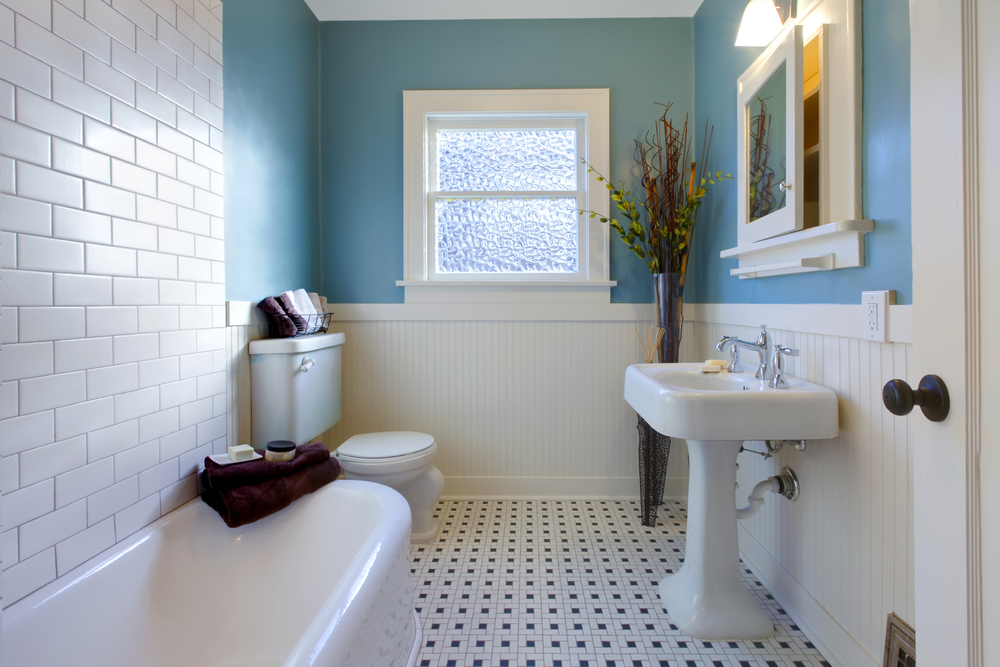
Most common bathroom tile layouts
- Straight lay tile patterns. This is the most basic tile layout of them all and can be perfect both as a bathroom floor and wall tile. As you have probably guessed already, in this pattern the tiles are set in a straight line with the corners of each tile lining up with each other. This tile layout creates a grid-look that is simple and seamless. However, you can make this basic pattern stand out by using tiles with decorative designs or bright and bold colors that make it really stand out. Using a contrasting grout color is another way to make tiles in this pattern pop.
- Running bond (Brick) pattern. This is another common bathroom tile layout for floors and walls. The layout uses square or rectangular tiles that are installed with each tile’s edge starting at the center of the one below it or above it. The layout offsets the next row by exactly half the width of the tile above or below. This pattern is the most popular backsplash tile layout for bathrooms and kitchens.
Add Flair with the following bathroom tile patterns:
- Herringbone tile pattern. In this tile layout pattern, tiles are laid out in alternating 45 degree angles to give a V-shaped design. Rectangular tiles of the same shape and size are required. It creates quite an attractive tile pattern on small scale, making it ideal for bathroom walls and floors.
- Basketweave pattern. The basketweave pattern resembles the texture of a basket hence its name. Using rectangular tiles in a pair, lay the tiles perpendicular to each other (90 degrees). This pattern creates a highly attractive tile layout that easily draws attention. It is also a popular backsplash tile pattern for bathrooms and kitchens.
- Windmill tile pattern. This is one of the two-tile bathroom layout patterns; meaning that 2 different shapes/sizes of tiles are required. In this pattern, the layout is comprised of squares made up of 4 rectangular tiles. In the center of this square, place a small square tile to complete the windmill look. Just like other classic-looking bathroom tile patterns like the basketweave, this bathroom pattern too is famous for walls, floors and the shower.
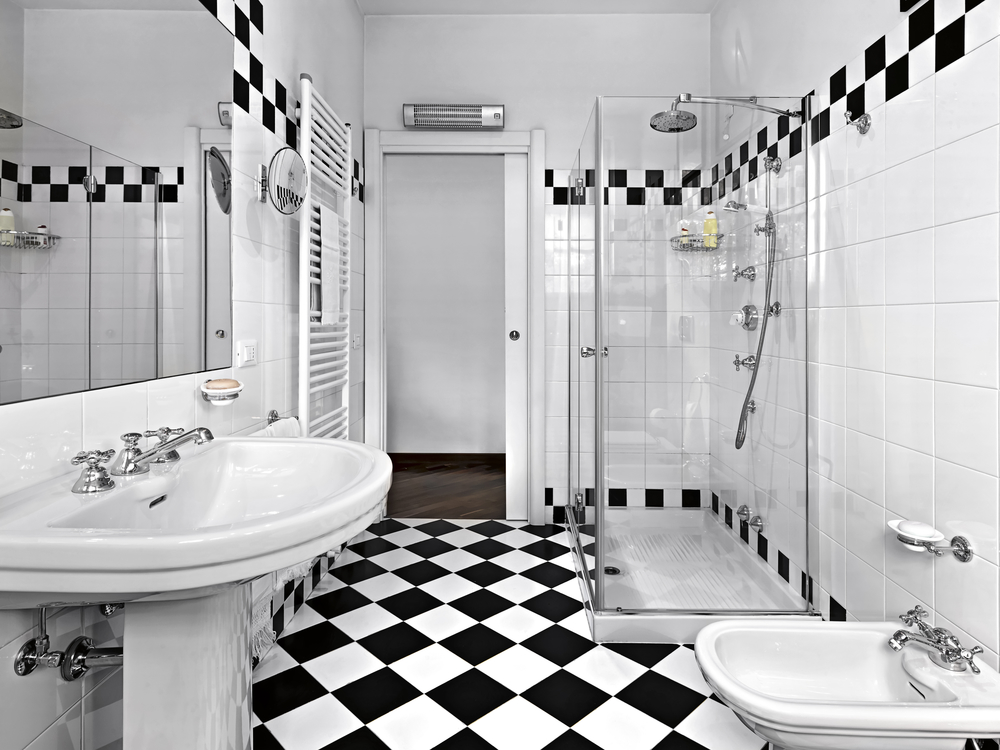
- Checkerboard tile pattern. This tile pattern looks like a chessboard or checker. It simply uses white and black alternating square tiles to create a classic look as a bathroom floor tile or bathroom wall tile. Gray, tan, red or any other color can substitute for black tiles; it all depends on tastes and preferences.
Takeaways
There are many bathroom floor tile layouts for every style. Some of the most common bathroom tile patterns include:
- Straight lay tile pattern
- Running bond/brick
- Windmill, herringbone
- Checkerboard, basketweave
- Corridor
- Cobblestone
- Pinwheel pattern among more.
Settling on the bathroom tile layout that meets your tastes, preferences, budget, and your home’s interior décor can be difficult. However, with the help of professionals at RWC home remodelers in New Jersey, all your worries can be laid to rest. Contact us today for professional advice on your bathroom tile layering project. You can’t afford to make a mistake on such a huge investment!
How to Choose the Right Modern Front Door Hardware
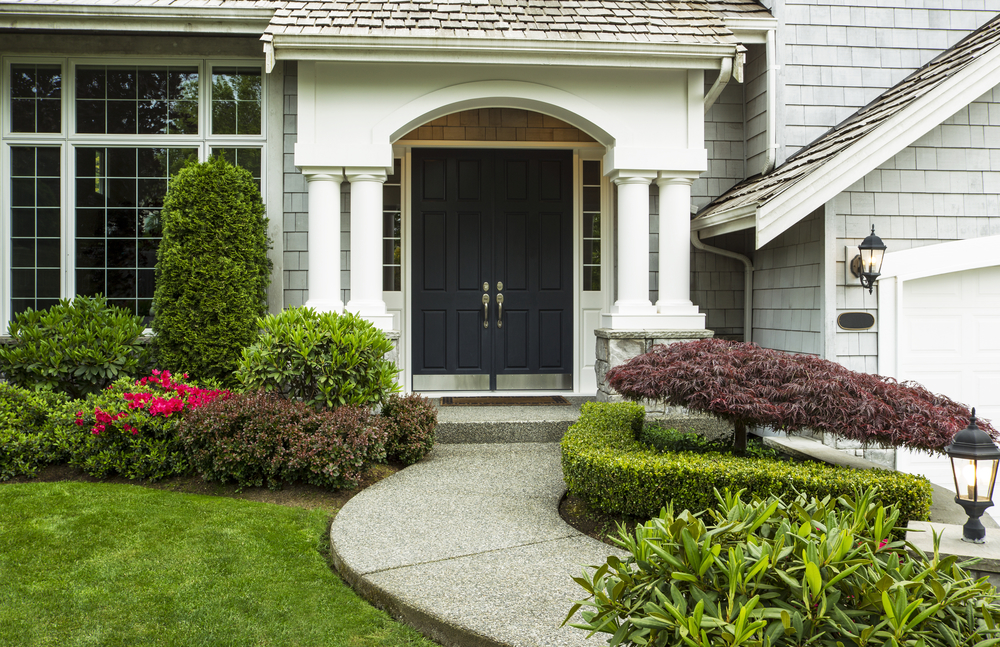
Choosing the right front door hardware can make a big difference in how the outside of your home looks. Your front door knobs have a great impact on the overall design of your entryway, and it's important to take your time when picking out your exterior door knob design. When you are ready to improve the look of your front door and want to improve the security of your front door, here are some front door hardware ideas to consider.
Types of Entry Door Hardware to Choose From
Front door locks hardware consists of both the locking and opening system of your door. You can choose from deadbolts, keyless locks, levers and knobs, hinges and more. With a variety of hardware to choose from, you can select something that bests fits your preferences and lifestyle.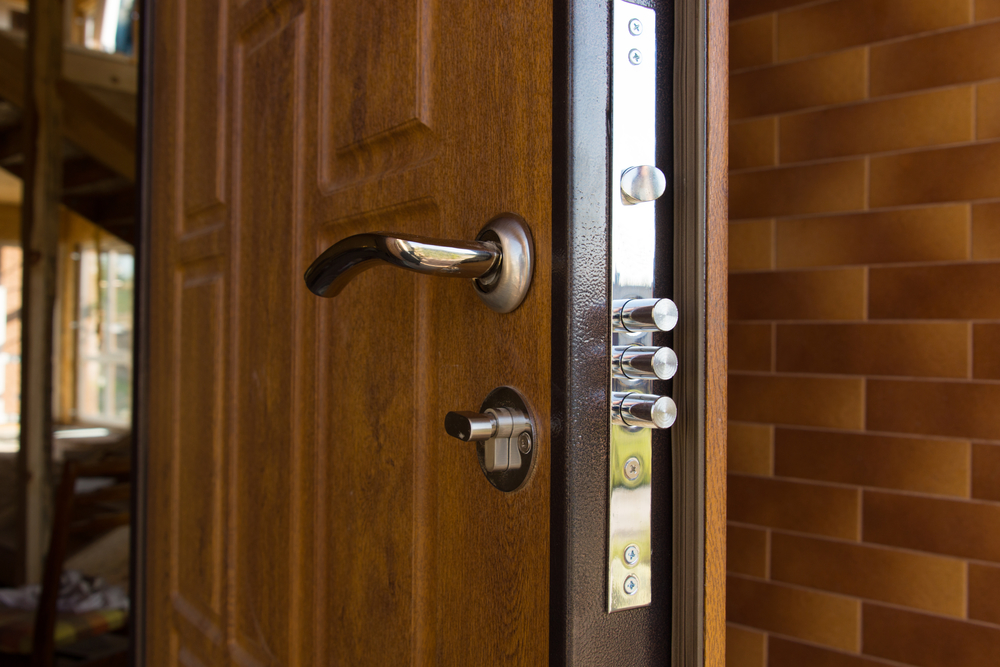
Front Door Lock Types Available
Mortise or tubular locks are the two common locks available for homeowners. Tubular locks are easy to use, and are the cheapest type of lock to have on your front door. If you choose a tubular lock, you'll want to include hardware for a deadbolt lock that will make your front door more secure. Mortise locks generally include a deadbolt, and the lock is cut right into the door instead of the in the door handle. If your door lock does not include a deadbolt, it's time to add one to keep your home more protected.
Modern Front Door Handles
Style matters when you are choosing front door knobs or handles for your home. Your front door handles make a statement, showcasing your style. There are many types of door handles for you to choose from. You'll want to consider the design of your home, and go for a doorknob design that complements your home. From rustic iron, to more modern, polished silver or brass, you have many choices when considering custom front door handles for your home.
The Size of Existing Hardware
If you aren't sure how to change your existing front door hardware, the first step is to measure the hardware that is already there. Look for a product that is either the same size as your existing hardware or larger, so that you don't have to worry about exposing part of your door that isn't finished. If you don't know how to change out the lock or you need help choosing a style, RWC Windows, Doors & More is ready to talk with you about your options.
 Your Hardware Budget
Modern front door hardware parts and sets are available in a wide variety of prices. You can spend as little as $20 for a hardware set, but up to $1500 for a fancy, decorative set of front door hardware. A simple tubular lockset will cost around $60, while a Mortise lockset will be in the $250 range. Know what your budget is before you start looking so that you can stay within your parameters.
The Final Touches
The door hardware types used on your front door can greatly improve your curb appeal. From brass, to nickel and matte finishes, you can choose a hardware finish that shows off your unique style. Pay attention to the finish on other exterior doors and consider matching the finishes.
Choosing the right front door hardware includes:
- Know your budget because costs can vary greatly.
- Decide on a finish that suits your style.
- Look to improve the exterior of your home.
- Choose entrance door locks and handles that keep your home safe.
At RWC Windows, Doors & More, we are ready to talk with you about your front door options. Our craftsmen specialize in front door handle replacement and custom door installation in West Caldwell, NJ and the surrounding area. Call us today at 973-435-4230 to set up a consultation.
Household Windows: Frequently Asked Questions
Household windows contribute a great role in the functionality and beautification of a home. For one, they are essential in allowing ample light into the house during the day. This not only gives the home an outdoor feel, but also saves homeowners on energy bills. Household windows can improve the aesthetic appeal of a home by using in unique styles, colors and materials. However, there are many things about household windows that are not well understood. If you are looking for some answers on how to choose new home windows, or why windows fog and crack, keep reading.
How do I choose new household windows?
Choosing home windows can be a daunting task if you have never done it before or if you are not conversant with the construction industry. There are many types of windows available today, and each has its own set of benefits and demerits. The best way to choose home windows is to consult a professional home improvement expert to guide you through the selection process.
A professional will meet with you and discuss the most cost-effective, energy-saving, and stylish type of windows that meets your tastes and preferences. They will take precise measurements of your windows, show you various materials and designs of windows that match your tastes and preferences, give you an overview of the all the financing options available, and give you a quotation of the installation costs.
 Will replacing my windows help my home to be more energy efficient?
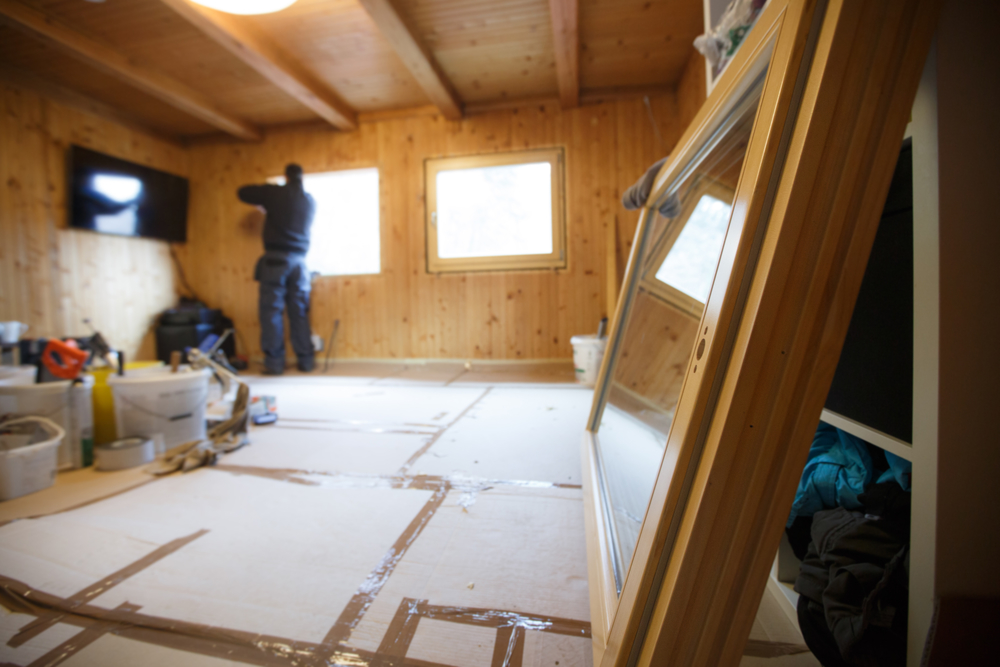
Yes! Replacing your windows will definitely make your home more energy efficient. Windows and doors are crucial in insulating your home especially during extremely cold and hot months. In summer, they help keep the hot air out and the cool air in. In winter, they keep the cold air out and the hot air in.
Replacing your single pane windows with double or triple pane windows that are energy efficient will see you save between 10-25% per year on your heating and cooling bills, according to ConsumerReports.org. Replacing your windows to energy efficient ones can give you a return on investment of over 80% during home resale.
Why do my windows fog?
Windows fog because of moisture condensation. When the seals between the glass panes break or wear out and allow moisture to leak in, it condenses on the window and causes fogging between the panes. This is common in older windows and doors. The fogging is prevalent on the sunny side of the home. Additional heat from the sun rays tends to accelerate the wear of seals and caulk on windows. If your windows are giving you an obscured view, consider replacing them with a quality glass system that can give you a clear view for years.
Also ensure that the installation work is done right by professionals to avoid any moisture leaks leading to fogging.
Why did my windows crack?
Remember that windows are made of glass which can be affected by expansion and shrinking because of heat and cold? Often referred to as “stress cracks”, cracks on windows mainly occur in large windows that are in shaded areas or in a recessed wall. The shadows created by these areas cause a fast changing stress factor between part of the glass that is in the shaded, cooler area and the part that is in the un-shaded, warmer/sunny area. When the stress becomes too much from the heating and cooling, the glass can crack.
Why is my wooden window stuck?
Your window could be stuck due to swelling caused by the wet weather in your area. If you recently painted your window frames, excess paint could cause it to stick to the frame. If it’s wet weather, use a dehumidifier to bring down the swelling and work the window free. To open the paint window, slide in a utility knife carefully to break the paint seal.
Takeaways:
- Consult a professional when choosing new home windows.
- Replacing your windows can make your home more energy efficient.
- Quality window systems can help you avoid fogging.
- You can easily get your wooden window unstuck.
There are a few household windows FAQs and their answers. If you have any questions about your windows, windows selection, windows replacement, windows installation, or windows repair in New Jersey, don’t hesitate to contact us at RWC.