

New to Kitchen Finishes? Here’s What You Need to Know
Kitchen finishes are unique because they need to protect their associated items from grease, spills, wet cleaning, and more. This means they must be durable but also look great. Here are some of the current overall trends to give you some ideas for your kitchen remodeling projects:
Appliances
Shiny enamel has been a favorite for appliances for decades if not longer, but that doesn't mean that it has stayed looking the same. Basic white, while very common, has not been seen as an "in" color for many years. Instead, bold colors are once again making an appearance, and black remains a favorite as well.
Stainless steel appliances are still going strong, and thanks to its normally-higher price, it has been able to avoid becoming too common. That said, it's not the best-choice option for many kitchens. Its industrial feel works best in modern designs.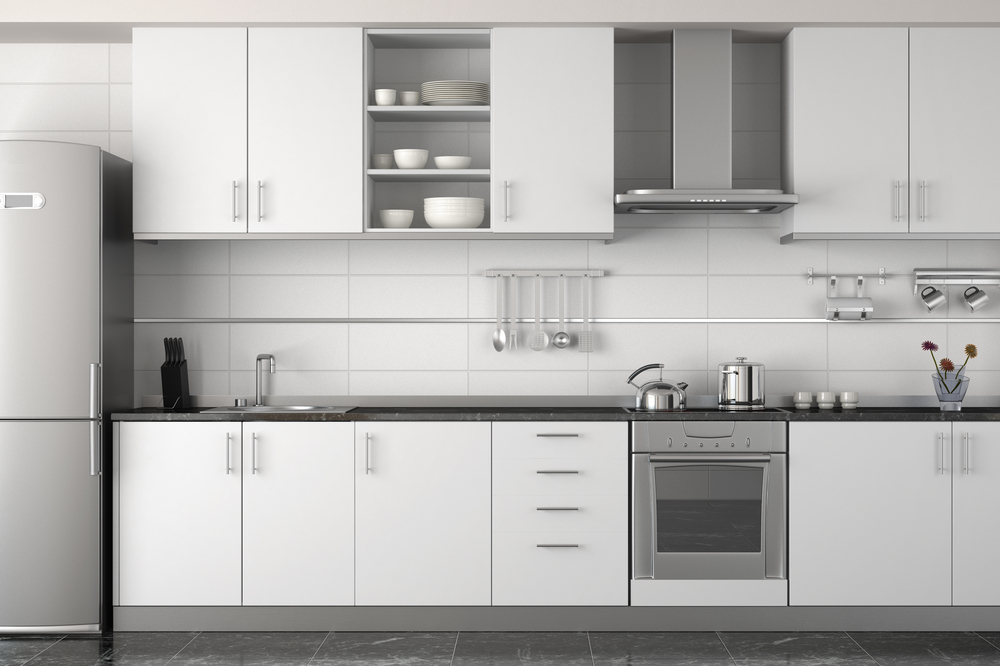
Cabinetry
Stained or even simply polished wood is the far-and-away favorite of today's designers, as can be seen from how often it is used in new homes. It looks great in all but the most modern of designs. Clean these cabinets frequently, especially if they're only protected by a light coat of polish.
Paint, whether standard or enamel, is a strong second to polished wood. The most popular color is white thanks to its clean, fresh look. That said, other colors are great for creating themes. HGTV mentions using blues, yellows, and pops of red, among other options.
Getting cabinets pre-finished before they arrive at your home results in a good, even finish thanks to the controlled conditions of the finishing facility. This service ensures the new kitchen cabinetry will be finished perfectly before it is delivered and installed.
Countertops
Kitchen countertop finishes depend heavily on what the underlying surface is made from. Granite, other stone surfaces, and concrete are all best coated in a water-resistant sealant and then polished to a deep shine. This creates a stunningly beautiful surface, but the original point was more practical: a thick layer of shiny sealant keeps liquid from getting into the pores of the stone and causing stains.
Countertops laminated with materials such as Formica can be glossy too, but they often use a semi-gloss finish instead. In laminate, semi-gloss versions are less likely to show damage like scratches.
Backsplashes are often made of the same material as the countertop itself. However, contrast can be gained by using backsplash tile for kitchen countertops. Tile is waterproof and durable, so it works very well for this purpose.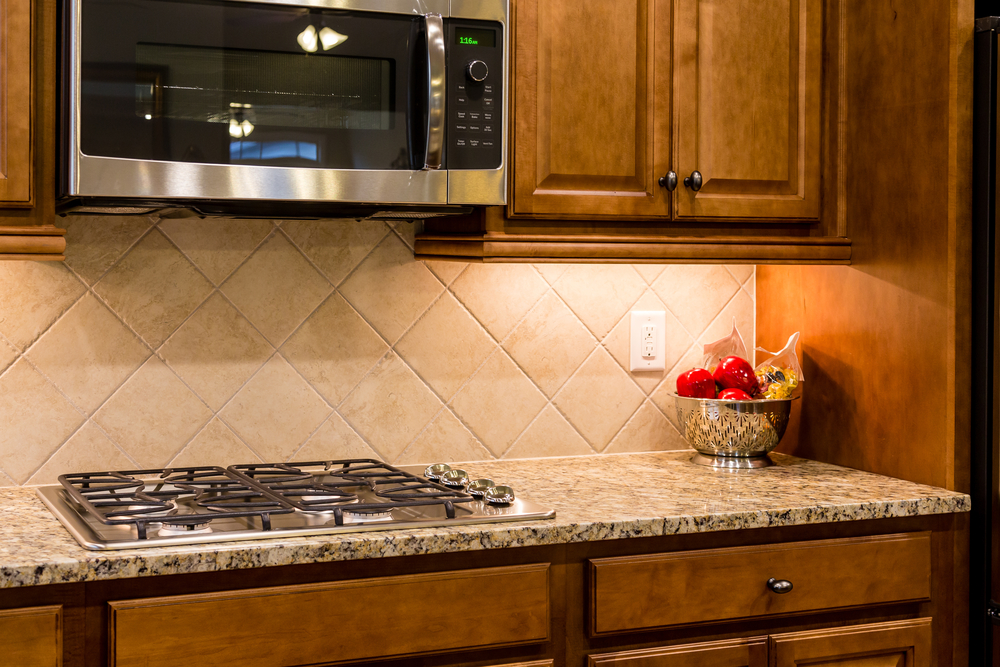
Flooring
Kitchen floors must look beautiful, yet also be waterproof and easy to clean. That creates a conundrum because one of today's biggest trends in general flooring is hardwood. According to TheFlooringGirl.com, flooring manufacturers are bridging this gap with waterproof wood-look kitchen alternatives made of vinyl planks, porcelain planks, and other materials. This means that browns and tans are currently ruling to get the look of hardwood. Floors are almost always finished to a shine, especially in kitchens. While matte can look great, shiny floors are more resistant to stains resulting from spills.
Takeaways
- Stainless steel appliances are popular, but they have not become commonplace.
- Wood cabinetry is always a hit.
- Painted cabinets allow homeowners to move away from the browns of wood.
- Countertop finishes depend on the construction material.
- Wood-look vinyl and porcelain materials are trending in kitchen flooring.
- Kitchen flooring typically has a glossy finish to resist stains
To get your kitchen redone in all of the latest colors and finishes, just contact us here at RWC. We're northern New Jersey's experts at home remodeling projects, with over 54 years in business.

6 Easy Ways to Spruce Up Your Home's Exterior [Infographic]
When you want to make your home look great, it's time to focus on curb appeal. With a variety of ways, you can update the look of your home on a modest or limited budget. Whether you are selling your home and want to make it more attractive to buyers, or you simply want to improve the look of your property, focus on curb appeal. With the right doors, lighting, and shrubbery, learn how you can change the look of your home with the right improvements.
1. Change the Front Door
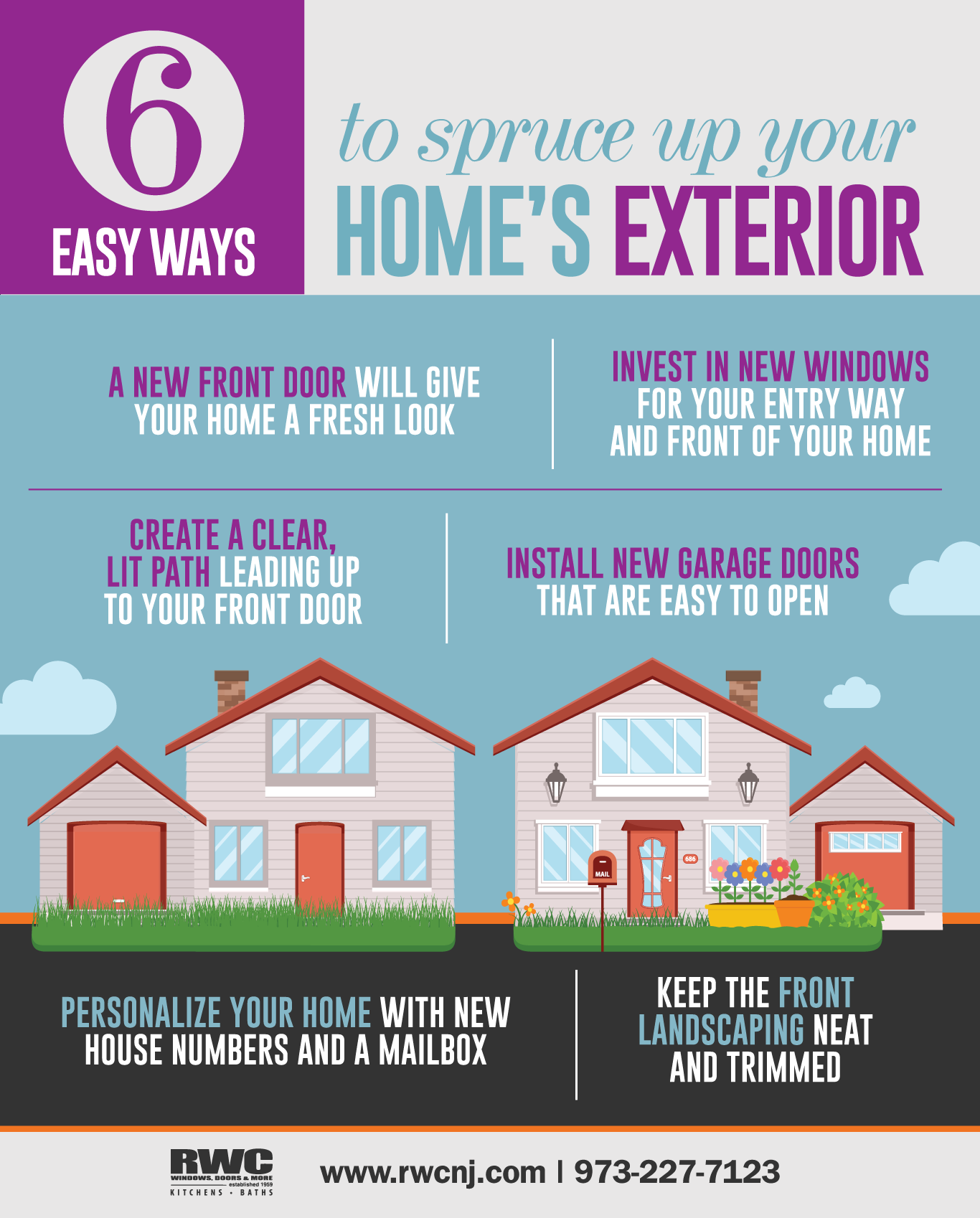
A new front door is going to give your home a fresh look and improve your overall curb appeal. Take the time to research the style of front door that will work best for your home and find a front door that will work for you.
2. Replace Old Windows
Old, tired looking windows can make your home look disheveled. When you want to improve your curb appeal, invest in new windows for your entry way and the front of your home. In addition, you will make your home more energy efficient once new windows are installed.
3. Renew Your Lighting Scheme
Good lighting makes a big difference in the curb appeal of your home. Look at your home at night with the current lighting turned on. If your entryway doesn’t have a clear, lit path up to your front door, it's time to make changes to your lighting scheme. Replace porch lighting or any other old lighting fixtures to make your home brighter at night.
4. Invest in New Garage Doors
Your garage doors make a bigger overall impact on the look of your home than you may realize. If you have faded garage doors that are difficult to open, your home may appear run down or dated. Keeping your garage doors up to date tells potential home buyers you take care of your home.
5. Install New House Numbers and a Mailbox
Make your home your own by installing new house numbers and a new mailbox on your home. These are two small changes that will give your home a polished look. Check out some of the new LED lit house numbers so that you can see the number of your house, even in the dark. Small accessories will provide the finished look you want when you are focused on the curb appeal of your home.
6. Focus on Landscaping
The final way to make the front of your home look great is to focus on the landscaping. Pull out any tired or weak looking shrubbery and invest in new plantings. Get any trees that are diseased or out of shape pruned appropriately. Focus on perennial gardens to give the front of your home some color during the warm weather months. Keep the front of your home neat and trimmed to boost the curb appeal of your house.
When you want to make the outside of your home look great, it's time to call the professionals at RWC Windows, Doors & More at 973-227-7123 to see how we can help. Our talented staff are ready to talk with you about your home renovation needs. Whether you want to boost the value of your home, or you are trying to prepare your home for sale, we are ready to help you make your home look amazing. For ideas, suggestions, and planning for the exterior of your home, it's time to contact RWC and see how we can help you make your home look great.
Custom Closet Door Guide: Find The Best Closet Doors For Your Wardrobe
Custom Wardrobe Closet Doors
When you have wardrobes in your home that need new doors, what you choose can make a big difference in the decor and functionality of your home. Whether you want pocket doors that slide easily into a hidden compartment, or you are looking for fresh new frosted glass doors for your wardrobe, you have options. Consider the various styles and alternatives of wardrobe doors available, and learn about the pros and cons of the types of custom closet doors you can choose from.
Types Of Closet Doors
Bi Fold Doors for Your Wardrobe
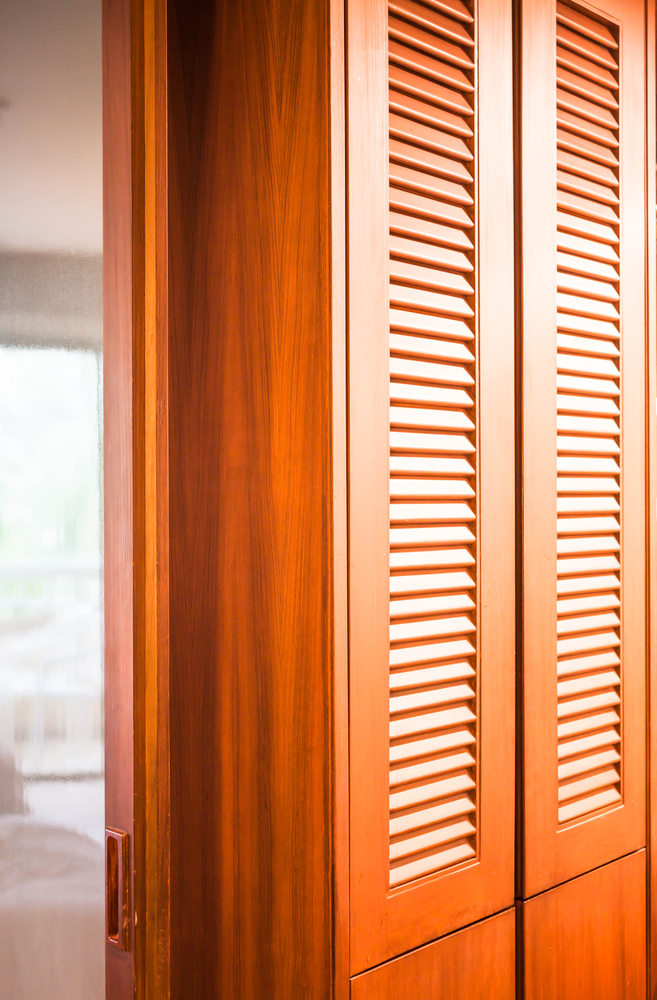
Bi fold doors are a great addition to any room. New trends in custom wardrobe closet design are using bi fold doors that are more intricate, even made with frosted glass to give your closet an entirely new look. Bi fold doors are generally easy to open, and an affordable option for many situations. One of the problems homeowners have with bi fold doors is that they can detach from the hardware if mishandled, causing the door to struggle to open or close. With proper installation done by a professional, bi fold doors are a great choice.
A pocket door is more than a door, it's a design element for your room. When you use a pocket door for your closet, the door opens completely by sliding into the adjacent wall. This is a great type of door to use in confined spaces, and allows you to have a door on your wardrobe without needing any space to open up the door into the room. Sometimes a pocket door will slide off the tracks, but in general these are great doors for your closet when you use them properly.
A Barn Door for a Great Look
A barn door for your wardrobe will give you a unique look for bedrooms, living rooms or other spaces where you have a large closet. Barn doors are hung on a ride, and slide over to open. A barn door for your wardrobe can give your room a warm appearance if you choose dark wood, or you can opt for a lighter shade of painted barn door for your room. If you have small children, you may not want a barn door for a common room as the door can slip off of the rod if it's opened too hard.
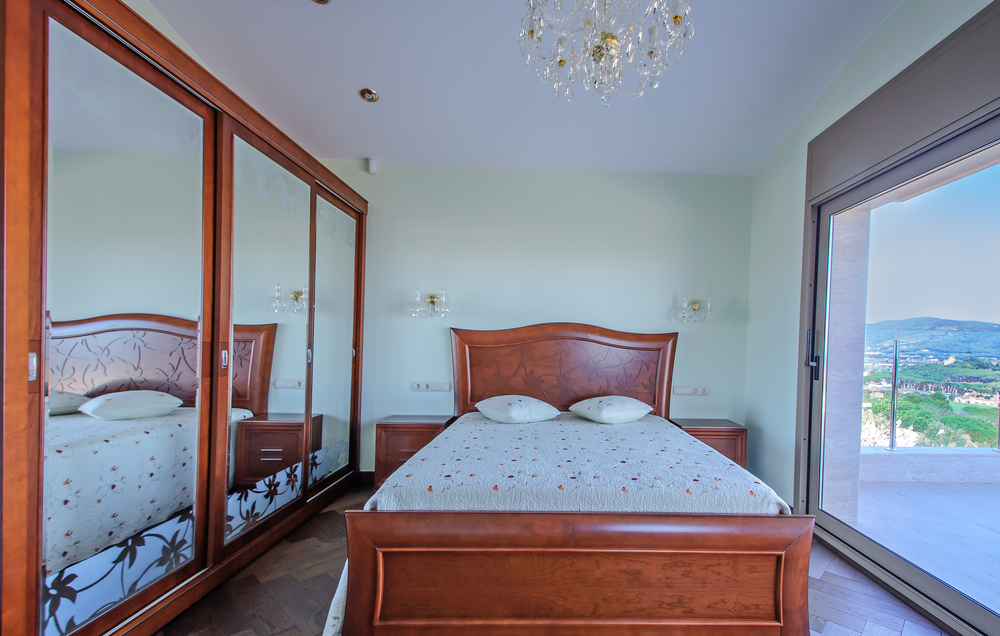
Frosted glass doors add an element to your wardrobe that gives it a modern, sleek look. Frosted glass doors are a beautiful way to brighten up a room, as they will reflect light that enters the room beautifully. When you choose glass for your wardrobe doors, you'll want to be sure that you are mindful when you open and close them. While they aren't going to break during normal use, a hard shove closed can cause problems.
Flush doors for your wardrobe are a great trend that allows your wardrobe to blend into the wall. It can be hard to tell how the doors are even opened, making it possible to have your wardrobe look like a wall instead of a bulky closet. Flush doors are a great option when you are looking for a modern style and you have a small space you are trying to decorate.
Your wardrobe closet door types include:
- pocket doors that slide into the wall
- frosted glass doors that brighten a room
- a wooden barn door that offers a unique look
- bi fold doors that are affordable and easy to install
At RWC Windows, Doors and More, finding the perfect custom wardrobe closet doors is just a phone call away. Give RWC a call today at 973-435-4230 to generate design ideas for your own closet door installation for your home in Caldwell, NJ and the surrounding area. Get a quote from RWC today.
How to Accent Your Dream Kitchen With The Perfect Countertop
Stand back and take a look at your kitchen. What features stand out to you the most? If you are like many homeowners, one of the first things you mention will be the countertops. The fact is, the countertop takes up a lot of visual space in this room in the house. Therefore, it must be carefully considered when you decide you want to make some upgrades and changes to achieve your dream kitchen. Take a look at the most commonly sought after countertop types and the pros and cons of each so you can make the best choice to accent your kitchen.
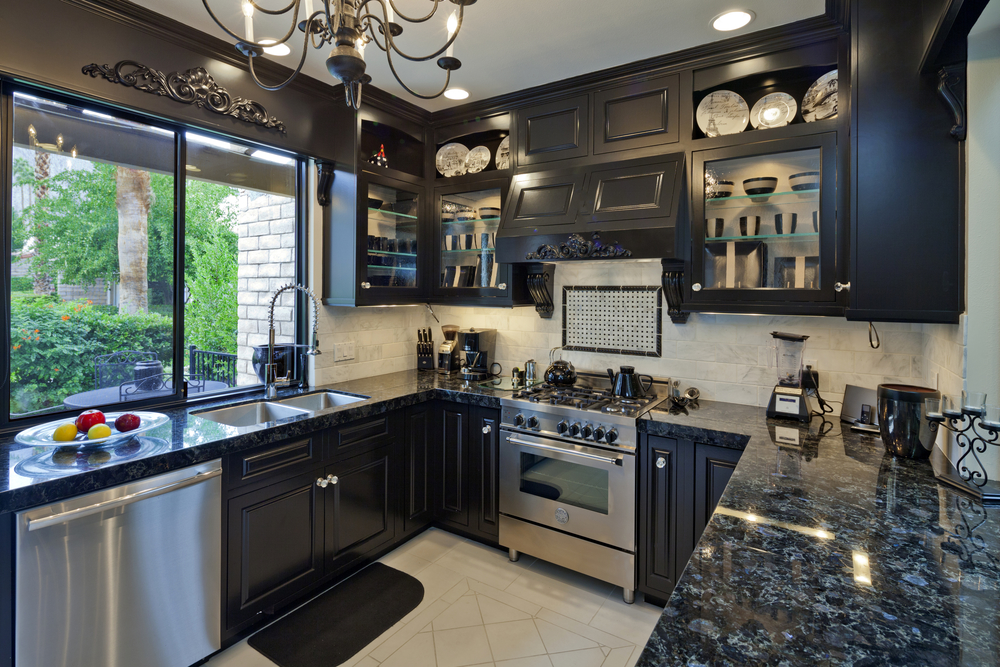
Granite
Pros
- Granite countertops offer a timeless, classic beauty that is still one of the most popular choices.
- Granite is fairly resilient to heat and incredibly durable when well maintained.
- There are an amazing number of shade variations of granite to choose from.
Cons
- Granite does have to be resealed every so often so it can remain resilient.
- Acidic foods and cleaners can stain granite if not wiped away promptly, according to Tom Silva from This Old House.
- Granite can be more costly than laminate or concrete because it is a natural stone, with prices ranging from $50 to $100 per square foot.
Marble
Pros
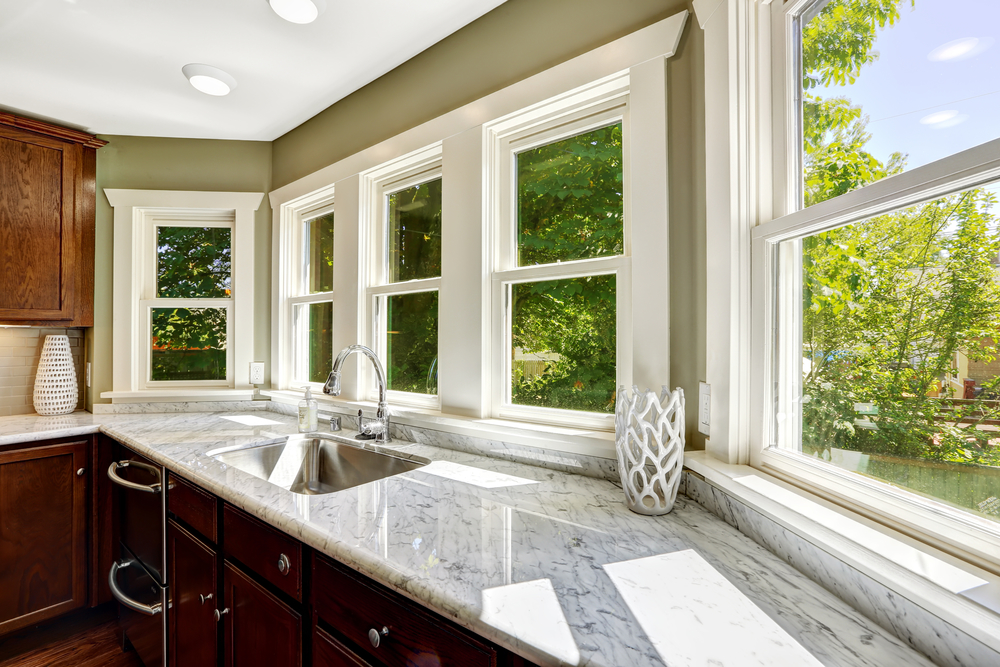
- Offers a lighter, brighter color hue than most other natural stone countertops.
- Marble can actually be less expensive than granite and other natural stone countertops, especially Carrara (also called Carrera).
- Marble can be a little more easy to find than some other natural stone countertop types, such as quartz.
Cons
- Marble is more porous than some other types of stone, which means it can be easier to scratch.
- Stains can be a problem on lightly colored marble, so spills must be tended to quickly.
- Even with proper maintenance, marble can develop a patina with years of use that is somewhat duller than some homeowners prefer.
Laminate
Pros
- Laminate is well-known as being the least expensive countertop material, which makes it ideal if you are remodeling on a slim budget.
- Laminate can be installed over an existing countertop.
- Laminate is readily available and goes in place quickly.
Cons
- Laminate does not really add any value to the home during resale, unlike some of the more expensive natural stone types.
- Laminate is not resilient to heat and some types will melt when exposed to the bottom of a hot pan.
- Laminate does not have as long of a lifespan and will probably have to be replaced within a few years.
Butcher Block
Pros
- Can be an endless array of wooden color hues to match your kitchen.
- Wood of a butcher block countertop can be naturally heat resistant.
- Works well in both modern and traditional kitchen spaces.
Cons
- You will have to be mindful of moisture exposure to prevent mildew and rot over the years.
- May have to be treated a few times a year to maintain its resiliency.
Quartz
Pros
- Quartz does not chip or crack easily, which can be a problem with some other natural stone.
- Resists staining better than granite, marble, or other synthetic stone types.
- Will not harbor bacteria because it is non-porous.
Cons
- Quartz can be harder to obtain than some natural stone countertops, which can also mean it can be more expensive.
- Quartz can have a more contemporary appearance and seams may be more visible.
Concrete
Pros
- Concrete can be pigmented or stained to provide an array of colors and designs.
- Concrete countertops of the basic designs can be less expensive than natural stone countertops.
- Concrete countertops do not scratch easily and are resistant to heat and moisture.
Cons
- Concrete counters do require ongoing sealing, which is not something some homeowners want to deal with.
- A specially designed concrete countertop can be a little expensive, with prices comparable to natural stone.
Important Things to Remember About Accenting Your Dream Kitchen with the Best Countertops
- Every type of countertop material has its advantages and disadvantages. It is crucial to consider all points when making your decision.
- There are always lesser expensive options available, but these may not get you the longest-living accent for your kitchen.
- Natural stone is great for use as countertops, but does usually come with maintenance requirements.
The countertops in your kitchen can easily change the look of the space for the better or worse, so picking the right type is incredibly important. For more information about how to choose the right countertop styles for your kitchen, reach out to RWC for expert advice and guidance.
The 5 Bathroom Trends Through the Years That Will Make You Cringe
While a variety of bathroom trends that have come and gone, few have stood the test of time. Unlike the sleek, white subway tiles popular today, bathroom tiles were once brightly colored squares of sea foam green, orange and pink. If you've purchased a home that hasn't seen any updates in the last forty years, it's time to rethink that retro bathroom. Take a trip down memory lane and look back at some of the worst bathroom designs and how to update them for today.
Pink Sinks and Toilets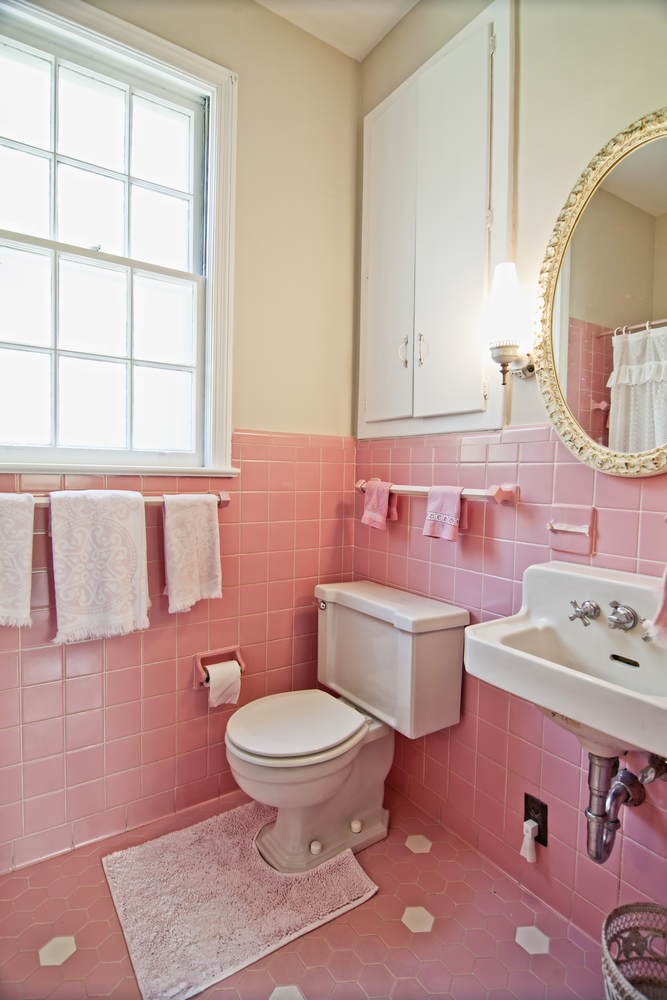
The trend: Used in mid century America, pink was a popular bathroom color throughout the United States. First Lady, Mamie Eisenhower was partially responsible for the popularity of pink, as she redecorated most of the private quarters of the White House in shades of pink. Reporters even started calling the White House the “Pink Palace!” When you see a bubble-gum pink shower surround or toilet in your home, you can be sure that the bathroom probably hasn't been renovated since the 1950s.
The update: The modern update for bathrooms today are clean looking hues, generally shades of white and cream. Replace the toilet and tub with new white models to give the bathroom a fresh look. Or, replace the tub altogether and build a large shower stall with a bench and shower niche.
Carpeted Floors
The trend: Wall to wall carpeting is reminiscent of the post WWII era. From the living room, to bathroom, carpeted floors were everywhere. While carpeting in bedrooms is a great idea, carpeted bathrooms often lead to issues. The threat of mold and mildew in the carpet is a concern due to the elevated water and moisture levels in the bathroom. Post shower, the carpet is absorbing most of the water spilled onto the floor, causing it to get trapped and promote the growth of mold. While carpeting is a non slip option, there are other alternatives to consider.
The update: A modern solution for carpeted flooring is to remove the carpeting and replace it with tiles or laminate flooring. Tile or laminate flooring offered today are made to look like more expensive materials and textured non slip options are available. Once the carpet is gone, use a washable bathmat to collect water when you step out of the shower to avoid mold and mildew growth.
Laminate Countertops
The trend: In the 1970s, Formica countertops were available in almost every color you could imagine. Due to their range of colors and low price point, these were used in bathrooms everywhere. If you have an aqua colored counter in your bathroom or a scalloped sink, you can rest assured that the bathroom hasn't been updated since disco ruled the radio.
The update: Give your countertops a more modern look by choosing vanity tops in neutral, subdued hues. Consider spending a little more to update the cheap laminate to granite, marble or quartz countertops.
Terrible Tile Patterns
The trend: Tile is a great option for the bathroom because it is water-resistant. Unfortunately, many of the colors and designs used in the past included pea green or ugly brown tiles in patterns that were less than desirable. The most popular tile trend in the bathrooms stacked colored squares placed in a gridded pattern halfway up the wall and complemented with an accent border.
The update: Tiles are still trendy! However, the colors and patterns have changed. Update your bathroom using white subway tiles in a brick, herringbone, or vertical patterns. Choosing a different grout color such as gray makes your tiles stand out and gives the bathroom a modern look that will be suitable for years to come.
Bold Floral Patterns
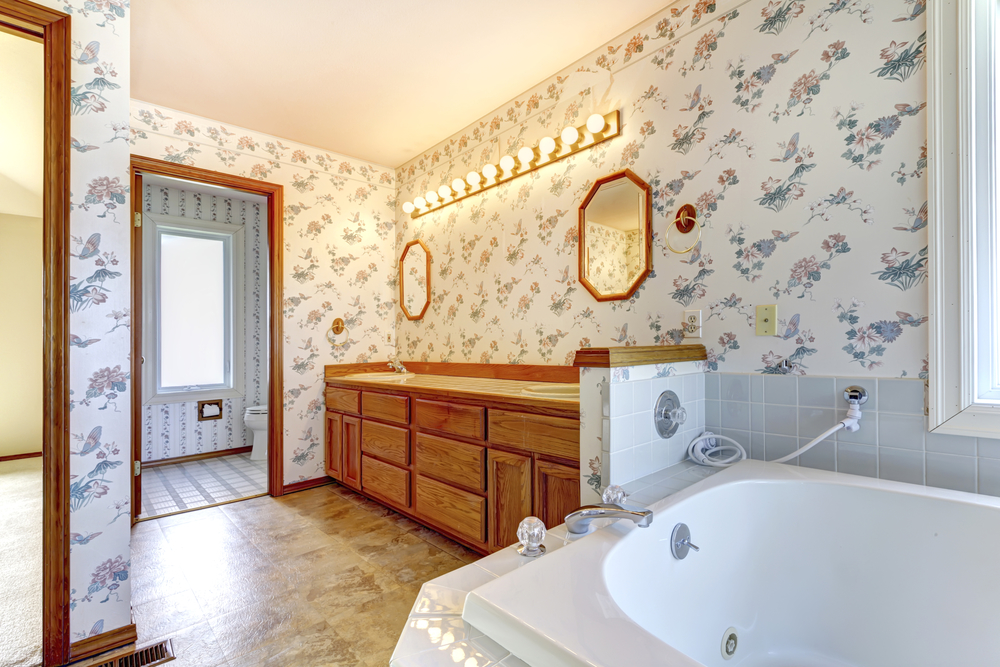
The trend: In the 1960s, wallpaper in large floral patterns became popular in bathrooms. In the 1980s, bright floral valances and accessories were made popular, extending the floral trend for decades. Like carpeting, wallpaper also has its issues in regards to moisture. The extra humidity and moisture in the bathroom can cause the wallpaper to peel.
To update: For an updated look, exchange the big florals and wallpaper for touches of natural materials. Replace the wallpaper with a new coat of paint and use natural accessories. For a natural, Zen feel, choose materials made of bamboo, cotton, or other organic materials. Image 38744609
Bathroom design changes can include:
- Replacing pink toilets with white ones
- Switching carpet for tile
- Bright colored countertops to more subdued countertops
- Choosing different colored tiles and patterns
- Removal of floral patterns in exchange for organic materials
To learn more about how you can remodel your outdated bathroom, call RWC Windows, Doors & More at 973-435-4230 and talk with one of our representatives today.
7 Home Renovation Mistakes & How to Avoid Them [Infographic]
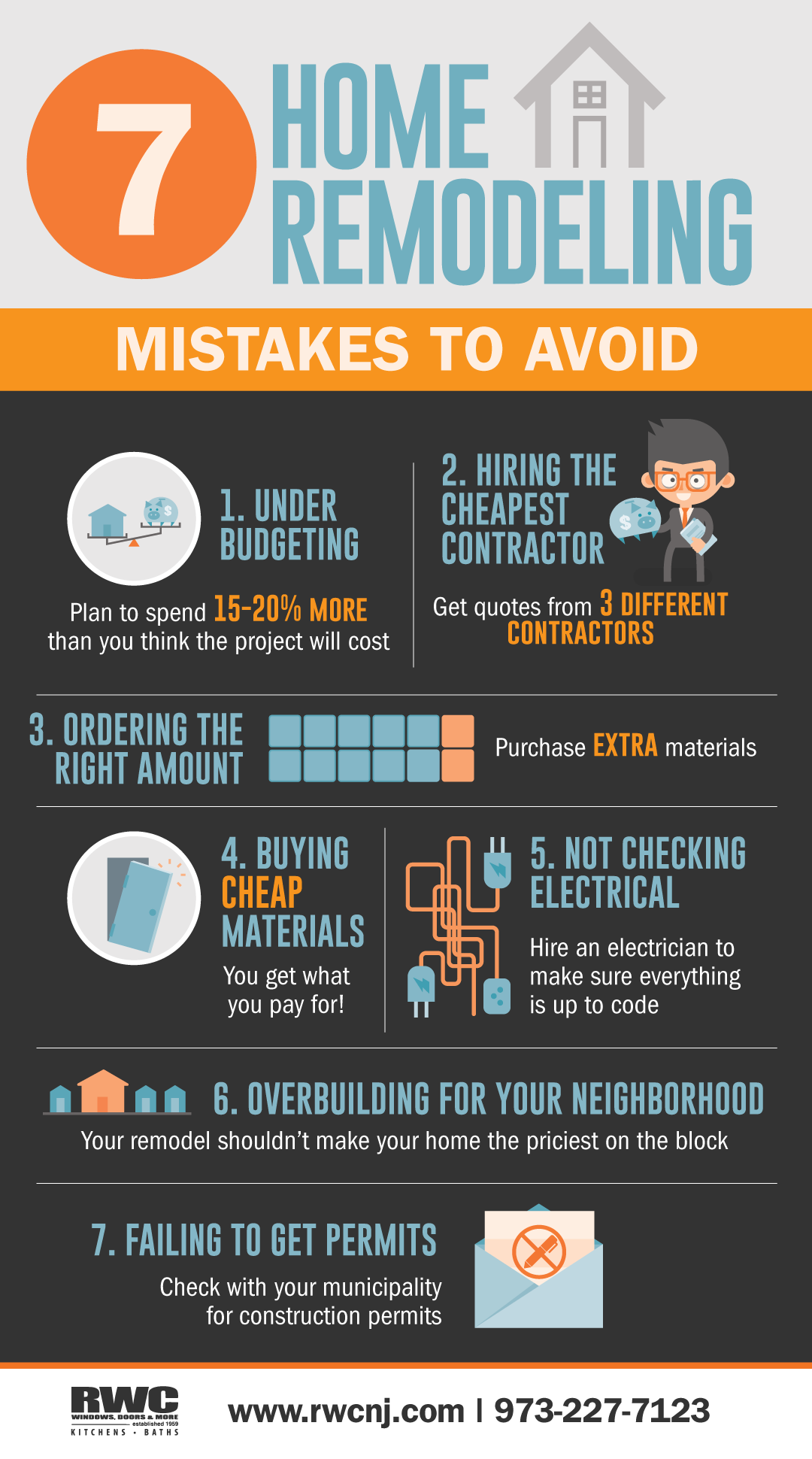
When done correctly, remodeling projects can transform your home into a beautiful, usable space for your family. However, when home renovations are done wrong, disasters can be the result. Luckily, RWC can teach you everything to know before renovating a house. Use our tips to avoid common home renovation mistakes homeowners make when embarking on a home improvement project. By following our advice, your project will run smoothly and the result will be what you envisioned instead of just an expensive mistake. Scroll down to check out our home renovation infographic with the top 7 common mistakes made!
 Planning Mistakes
- Choosing the cheapest contractor. Obtain quotes from three different contractors. Quotes should be given in writing and include specific information about products, sizes, permit fees, warranties and the change order process.
- Not expecting the unexpected. Plan to spend 15 or 20 percent more than you think the project will cost. Doing so will allow your budget to absorb unforeseen expenses that always arise during home improvement projects.
- Lack of usable space. Make sure a kitchen or bath renovation has adequate storage and counter space.
- Failing to anticipate a mess. Renovations are chaotic and time-consuming, so expect a mess from the get-go.
- Home renovation timeline is not provided or is inaccurate. Some contractors may overestimate or underestimate their work schedule, causing delays or overcharging.
- Doing 'want to's' instead of 'have to's.' Know the difference between items you must do and items you would like to do.
Construction Mistakes
- Skimping on unseen elements. Moisture barriers, energy efficient windows and other items you may not see will have a big impact on your home's long-term safety and function.
- Failing to get permits. If you don't get a permit, you could incur a fine and your homeowner's insurance may not cover a claim if something happens.
- Neglecting the electric system. Walk through the project with an electrician to ensure outlets are in the right spaces and everything is up to code.
- Ignoring long-term needs. Think about how you might use your home several years in the future instead of in the present.
- Overbuilding for your neighborhood. Your home renovations shouldn't make your home cost substantially more than others in the neighborhood.
Design Mistakes
- Measuring wrong. Make sure measurements are exact to avoid problems with installation.
- Insisting on hardwood. Hardwood may not be the best option for your family. Single-board laminate may be the best choice if you have pets and kids.
- Sticking to trends. Trends are temporary, so look for options that will stand the test of time instead of a short-term fad.
- Buy extra flooring. Having extra materials will allow for mistakes that can happen during installation and accidents that occur down the road.
- Buying cheap materials. You get what you pay for. Consider that when purchasing renovation materials.
- Oversized fixtures. Pick fixtures and features to complement the size of the room.
- Straying from style. Stay true to your home's architectural style to ensure a seamless result.
- Using the wrong paint. Look beyond color and select the right type of paint for your project. Flat paint is best for ceilings while glossy paint works well on trim.
Avoiding these mistakes will help your home renovation project get done quickly, correctly and within your budget. Do your research and plan ahead of time in order to avoid costly errors you'll regret down the road.
NJ Home Remodeling
Unsure where to start? For the best outcome, hire home renovation contractors with decades of experience helping homeowners with kitchen and bath renovations. With nearly 60 years’ experience, RWC is the trusted expert for home improvements. We know all of the home renovation mistakes to avoid and can help you achieve your dream home. Visit our showroom in West Caldwell, NJ, call us at (973) 435-4230 or contact us using our online form for home remodeling quotes and to start planning your renovation today!
How to Increase Natural Light in Your Home
Does your home feel a little dark, grim, and dreary? If so, there's a good chance that it is suffering from lack of natural sunlight. While controlling the level of light in the house is important, it is just as important that you nurture and encourage light to spread throughout the house. Doing so can work wonders for your interior design and even make your home look cleaner, more modern, and larger. The secret lies in knowing the tips and tricks to bring more light indoors. In this article, we will go over how to increase natural light in your home.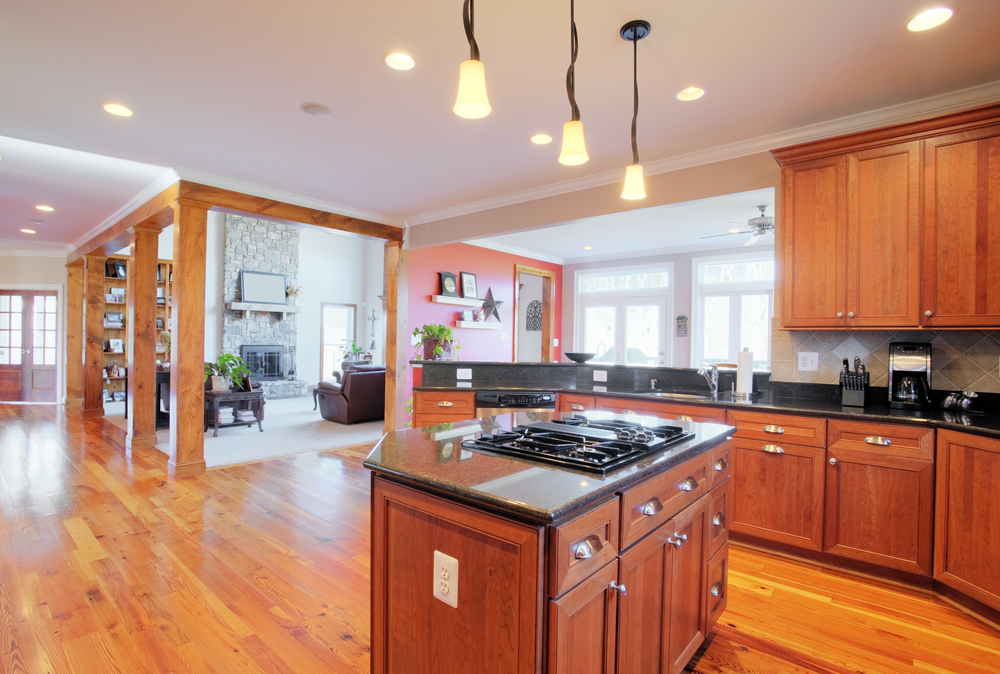
6 Easy Ways to Increase Natural Light Indoors
Utilize the Power of Strategically Placed Mirrors
Mirrors are an incredibly valuable thing if you need more sunlight in a space in your home. You can place a mirror opposite of a window and see double the natural light because the mirrored surface will reflect that light back out into the space. Mirrors can also be useful in hallways to pull illumination from another section of the house down the darkened corridor where there may be no natural light at all.
Use Lighter Paint Colors
If you have a room in your home that has little naturally available light, you want to support and reflect the small amount of light as much as you can. This is easy to accomplish by picking lighter hues over darker ones where paint color are concerned. Lighter paint colors naturally reflect more light, which can help evenly distribute the brightness available.
Opt for Window Covers That Allow Light In
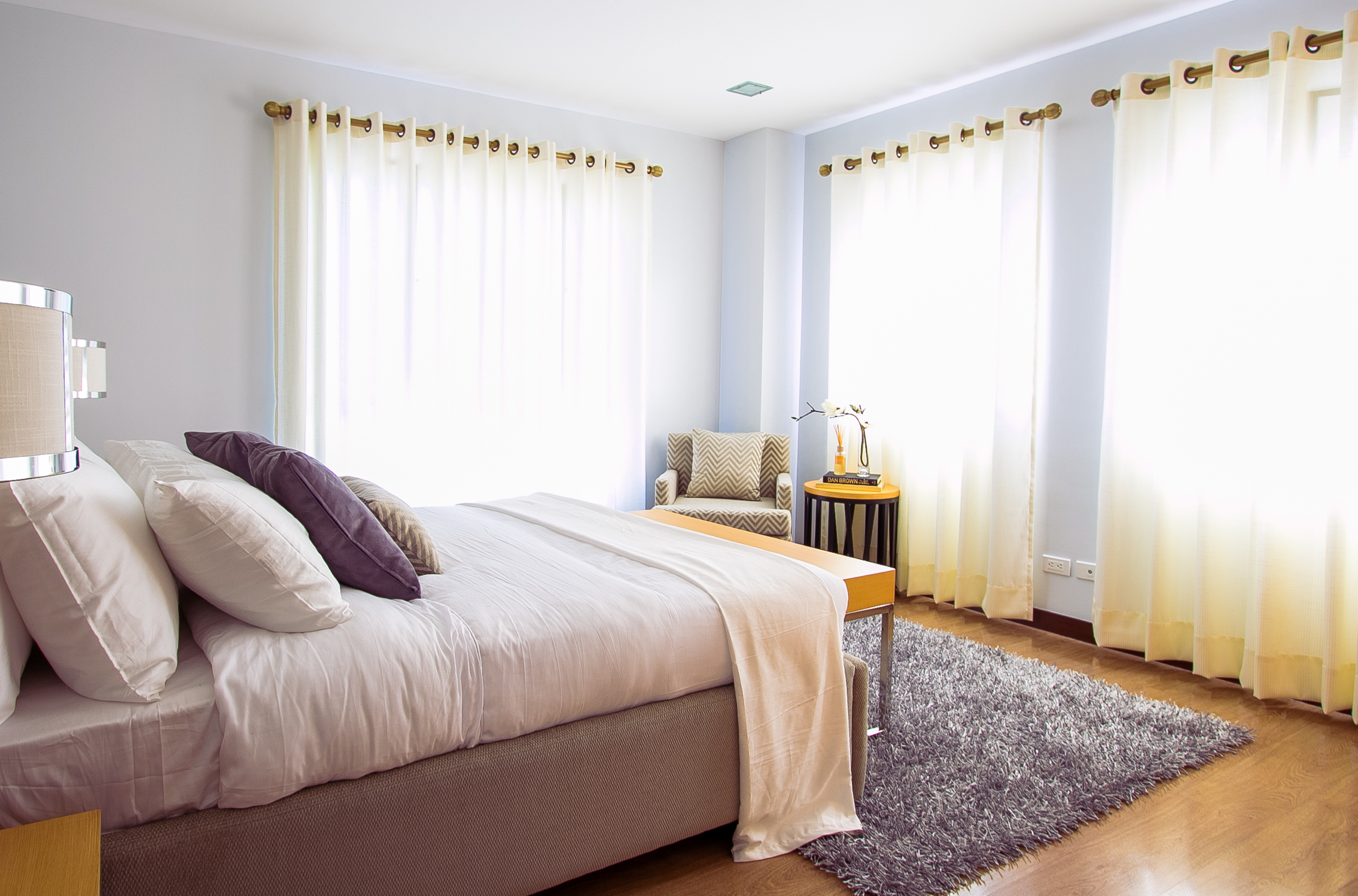
The type of window covers you choose make a huge difference in how light is allowed into the space. Instead of heavy drapes and solid shades, stick with light filtering blinds that can be opened or closed and sheer curtain panels that allow a certain level of natural sunlight to seep through.
Make Use of Mirrored Tiles
In low-light areas, such as in the space between the upper cabinets and the countertop in your kitchen, you can add mirrored tiles to naturally lighten up the dim space. Likewise, mirrored tiles are an excellent addition to a dimly lit bathroom if you need a lighter, brighter appearance.
Install New Doors
Solid wooden doors may be the most popular doors, but if you are trying to achieve more natural light in your home, other types can be much more logical. For example, double French doors have windowed centers that allow the sunlight inside and sliding glass doors offer a full double-dose of sunlight almost from the floor to the ceiling.
Consider New Windows
It is not uncommon for older homes especially to have fewer windows, which can mean you have to deal with very little sunshine inside the house. Thankfully, RWC can help you install new windows where there is wall space to do so. Likewise, switching from one type of window to another can change light levels. For example, a bay window offers an incredible amount of light compared to a basic double-hung window.
Key Points to Remember
- Mirrors are an easy way to spread light through the home.
- Changing the windows and doors can totally enhance the level of light inside your home.
- Stick with lighter paint colors that reflect light.
- Use mirrored tiles in dim-lit areas, such as the backsplash in the kitchen.
- be careful with window treatment selections so you don't block too much light.
Spaces with natural light offer an array of advantages, from designer and architectural appeal to benefits for your health. Therefore, working to incorporate natural light into your home can completely change how your home appears, functions, and even how it affects your body. If you're looking for some inspiration, check out our design ideas. If you want help with implementing more natural illumination in your home, reach out to RWC for help.
How to Increase Storage Space in Your Small Bathroom
Even though your home's bathroom may be small and charming, lack of storage in this space can leave you surrounded by clutter. According to This Old House, a full bathroom must have at least 36 to 40 square feet, which is substantial enough for the necessities but does not leave room for much else. In a small space, the key to optimal functionality is in making the best of the space you do have. Check out these seven easy ways to increase storage space in your small bathroom.
Implement Under-Sink Storage
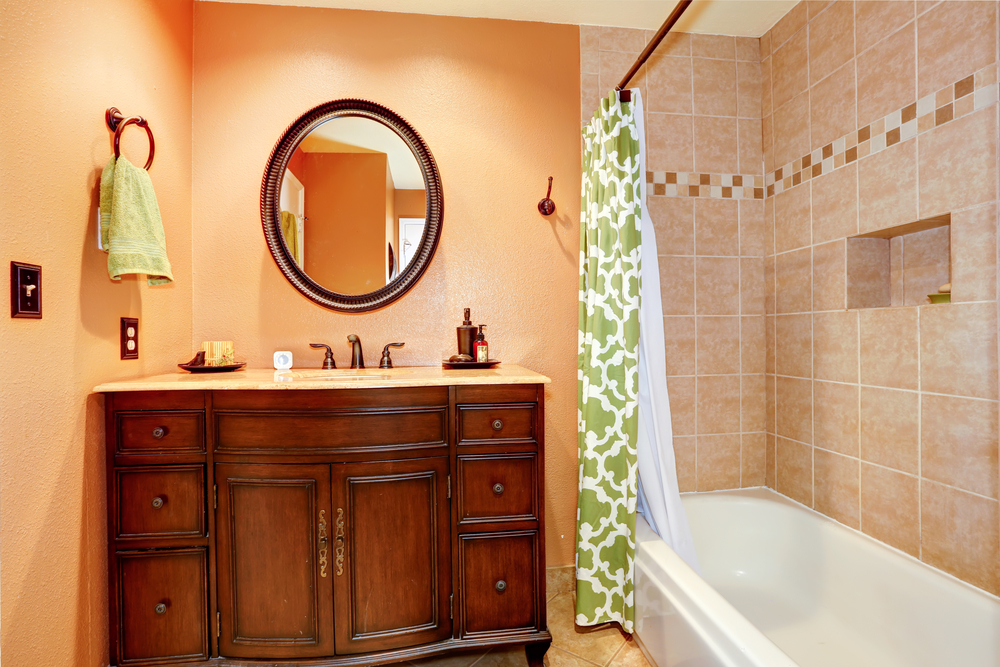
The space under the sink is reserved for the necessary plumbing, but there is still room for some small shelves. Select a vanity that houses the plumbing and gives you ample storage with cabinets and drawers for all those bathroom necessities.
Install Custom Cabinetry
Custom cabinetry is more common in the kitchen, but it works out just as well in the bathroom. If you have a small amount of space to work with, integrating custom cabinetry that is designed for your space can give you all kinds of new storage opportunities. Custom cabinets can have a shallow stance or be fitted into the depth of the wall to maximize space and storage.
Integrate a Built-In Shower Niche
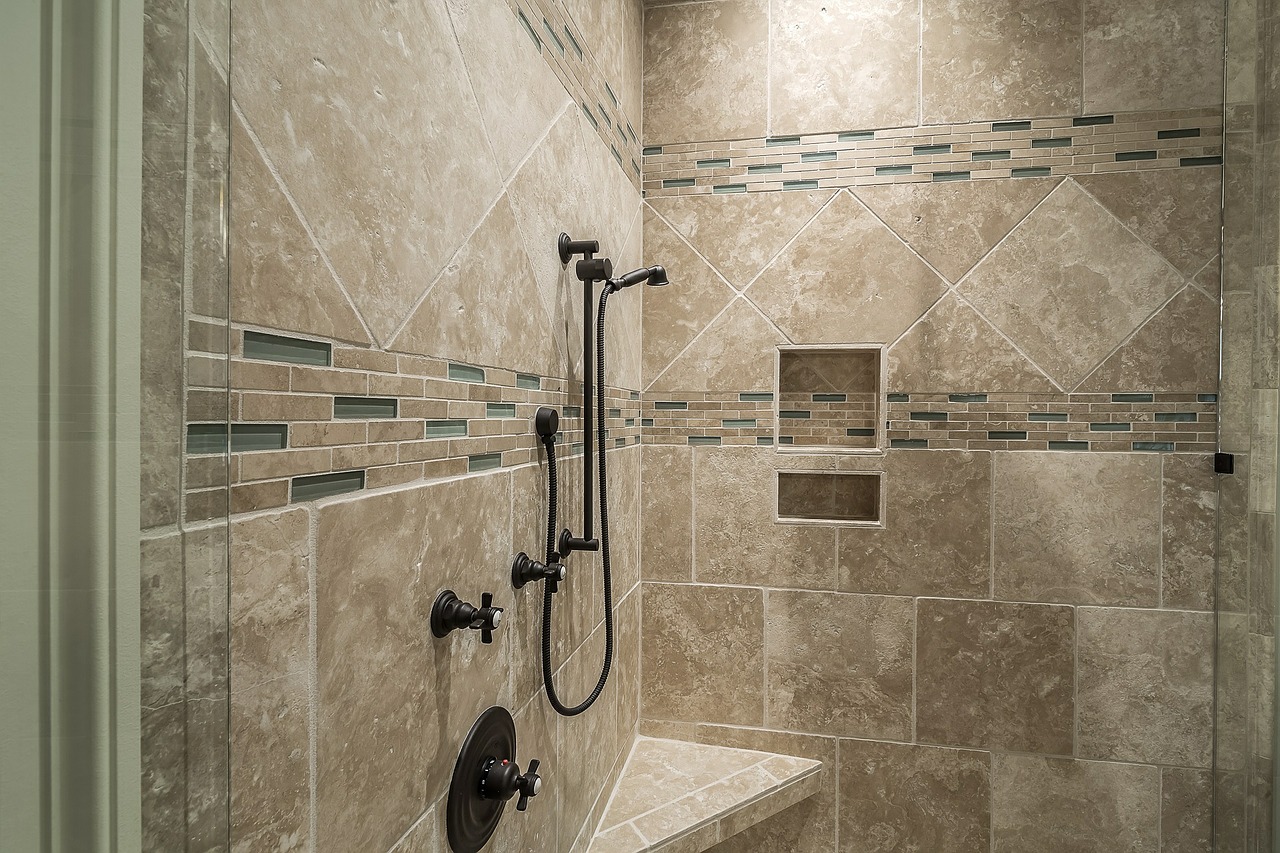
A shower niche is a recessed section or integrated shelving unit inside the shower or tub where you can place everything from shampoo and soap to loofahs and sponges. Some tub and shower surrounds have these handy niches built right in, but the niche can just as easily be installed by a good contractor in the wall with a tiled surface. This built in solution saves the need for additional shower shelving or other storage for all your bathing necessities.
Install Shelving in Small Spaces
There are numerous spaces that are left empty in the bathroom that could potentially house extra shelving space. A few examples include:
- the narrow area between the sink or vanity and the wall
- the space between the toilet and the wall
- over the toilet
- between the shower or tub and other fixtures
These spots may not offer a lot of floor space, however, they offer vertical height, which means they can be ideal for slim line shelves.
Include Towel Holders and Hooks
Never disregard the importance of towel hooks and holders. These simple fixtures are easy to install and will prevent the space from being cluttered with towels. Installing a hook or towel holder behind the bathroom door is a simple solution to keeping your towels out of sight and off the sink. It also allows for the towels to dry quicker.
Upgrade Your Medicine Cabinet
The medicine cabinet offers a valuable bonus of extra storage space if it is the right model. Many homes only offer merely a mirror with no shelving behind it; a missed opportunity to create more storage space! Upgrading your medicine cabinet is a simple solution to keep your toothpaste, lotions, soaps and other personal items out of sight.
Redesign to Create Storage Space
Sometimes the bathroom’s functionality is the issue. A poorly design or awkward configuration could be preventing you from adding the storage you desperately need. Redesigning your entire space allows you to create a better configuration and more storage.
Points to Remember to Increase the Storage Space in Your Small Bathroom
- utilize the space available under the sink, even if it means installing a new vanity
- custom cabinetry can totally change how much storage you have
- shower niches help house all those bathing necessities
- make use of space from floor to ceiling with shelves
- never underestimate the importance of shower hooks and towel racks
- upgrade your medicine cabinet and take full advantage of this usable space
- Redesigning your bathroom’s current layout to create more storage options
A small bathroom can be a downside to your home, but with a little creative ingenuity, this space can be completely functional and . To find out more about a bathroom remodel, reach out to RWC for expert information and advice.
The Ultimate Guide to Choosing the Right Door [Infographic]
Choosing The Right Interior Doors & Exterior Doors:
When you think of curb appeal, are you immediately envisioning lush landscaping, white picket fences, and perfect accent colors? If so, you're overlooking one of your home's most notable statement pieces: your front door. Functional and fashionable, your door has a lot of responsibilities. It welcomes visitors in, keeps strangers out, and carries an incredible amount of weight when it comes to the overall aesthetic of your home.
You didn't realize how important your door was before, did you?
Now that you know what a great door can do for you, allow us to unlock the mysteries behind choosing the right one.
Typical Types of Front Doors
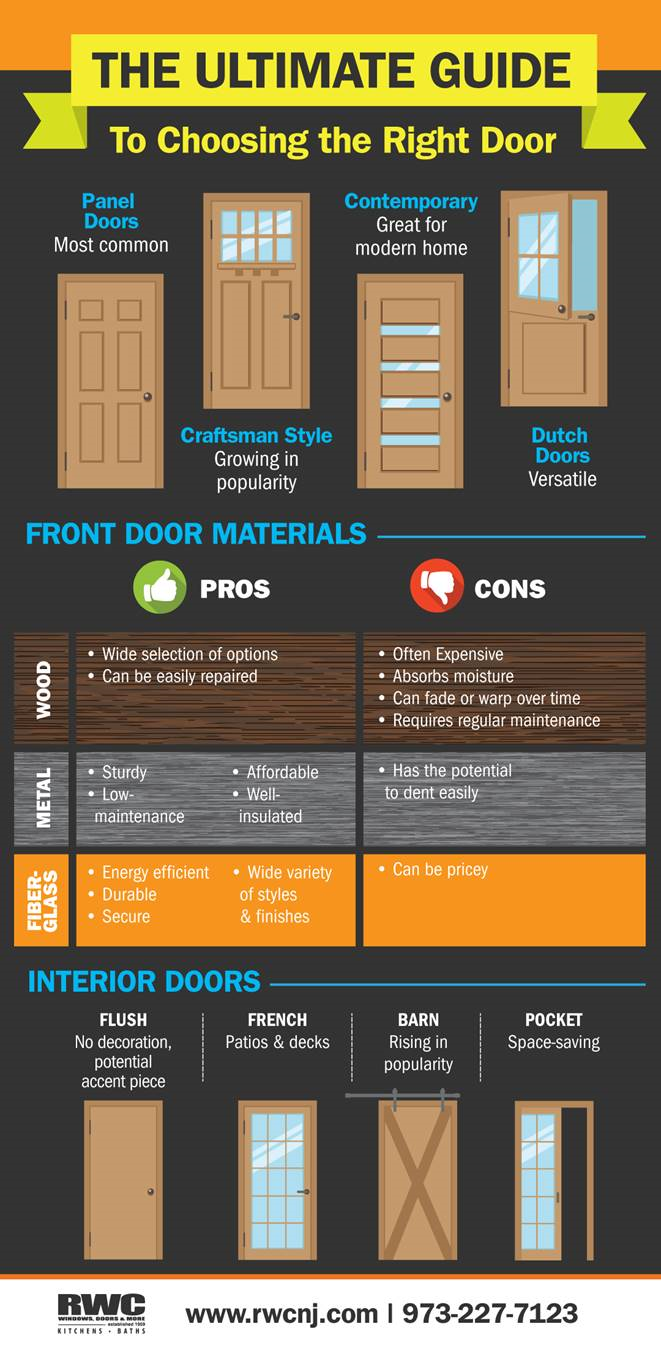
- Panel Doors. Probably the most popular doors on today's homes. They feature smooth, framed sections, surrounding deeply embossed panels. They may feature a window insert (lite.) May be used as interior doors or exterior doors.
- Craftsman Style. Popular in New Jersey because they offer a combination of simple design with complex style. Older, more traditional-style doors are accented by intricate glass work on the sides and at the top, bringing and old-meets-new mentality.
- Contemporary. Modern doors designed with artistic output in mind. Contemporary doors are great for modern homes, and work particularly well with brick houses. They're usually inlaid with elaborate glass.
- Dutch. Designed with a horizontal divide, allowing you to open the top half and let fresh air into your home without opening the entire door
Different Designs for Your Home's Other Doors
- Flush. Solid doors with no decoration, usually used for the interior of homes. Can be painted, stained, or wallpapered.
- Design Tip: If you're not comfortable painting an entire wall with an accent color, start with your door.
- French. Often used for patios and decks or to introduce formal interior spaces, but can also be elaborate front door options. Come in pairs, meeting in the middle and swinging away from each other to open. Usually elaborate, featuring a frame that encases window panels.
- Design Tip: Don't skimp on the details. French doors go great with elaborate hardware that wouldn't work well for some other types of doors. These doors let you step out of your box and get a little exquisite when you're shopping for accessories!
- Barn. Quickly increasing in popularity, these doors are hung from a rod that allows them to slide from side to side. Often used for closets and bathrooms.
- Design Tip: Use reclaimed wood for a home that has a rustic feel and country appeal. This style can also be modern and chic with metal doors and wrought iron rods.
- Pocket. Great space-saving options for New Jersey's older homes that have unique challenges when it comes to style and design. These doors disappear into the wall, maximizing space in even the smallest of places.
- Design Tip: Figure out where you're most frustrated with space, then look online for homes with similar setups so you can see their pocket door solutions.
Main Door Materials
- Wood. Offers a seemingly endless supply of wood species, stains, colors, and finishes.
- Pros:
- Incredibly wide selection of customizable aesthetic options
- Dents, dings, and scratches can be easily repaired
- Cons:
- Often Expensive
- Absorbs moisture -- something to keep in mind in New Jersey
- Can fade or warp over time
- Requires regular upkeep and maintenance
- Pros:
- Metal
- Pros:
- Sturdy
- Low-maintenance
- Affordable
- Well-insulated
- Cons:
- Can be susceptible to rush
- Has the potential to dent easily
- Pros:
- Fiberglass
- Pros:
- Energy efficient
- Durable
- Super secure
- Wide variety of styles and finishes (Can even emulate the appearance of wood)
- Cons:
- Can be pricey
- Pros:
At RWC Windows, Doors & More, we know doors. After all, they're in our name! We've been helping New Jersey homeowners choose the right doors since 1959, and we love what we do. From shopping assistance to full-service installation, our team does it all. Take a look at our full line of front entry door replacement services today!
Window of Opportunity: How to Keep the Heat Out This Summer
After a day spent in the summer sun, there is nothing better than heading home where you can relax and keep cool. However, if you do not have air conditioning in your home, the interior of your abode can be anything but relaxing–it may feel more like an oven.
Even though you don't have AC, there is no reason for your house to feel the heat. The key to lowering the temperature inside of a house without air conditioning is to keep the hot air outside as much as possible. Here are a few things that can help you achieve just that.

4 Simple Ways to Keep the Heat Outside
Install Awnings
Awnings affixed to the outside of the house offer shade over some of the most vulnerable spots in your home, such as entry doors and windows. If your home has a lack of mature shade around it, the bright beaming sunlight hammering down on your home can definitely be a big problem when you just want to stay cooler. You can find awnings that are quick to install, such as retractable awnings that stretch over a patio, but you can also have small awnings installed over windows and more permanent awnings installed over porches and entry doors that allow in a lot of sunlight.
Seal Any Air Leaks
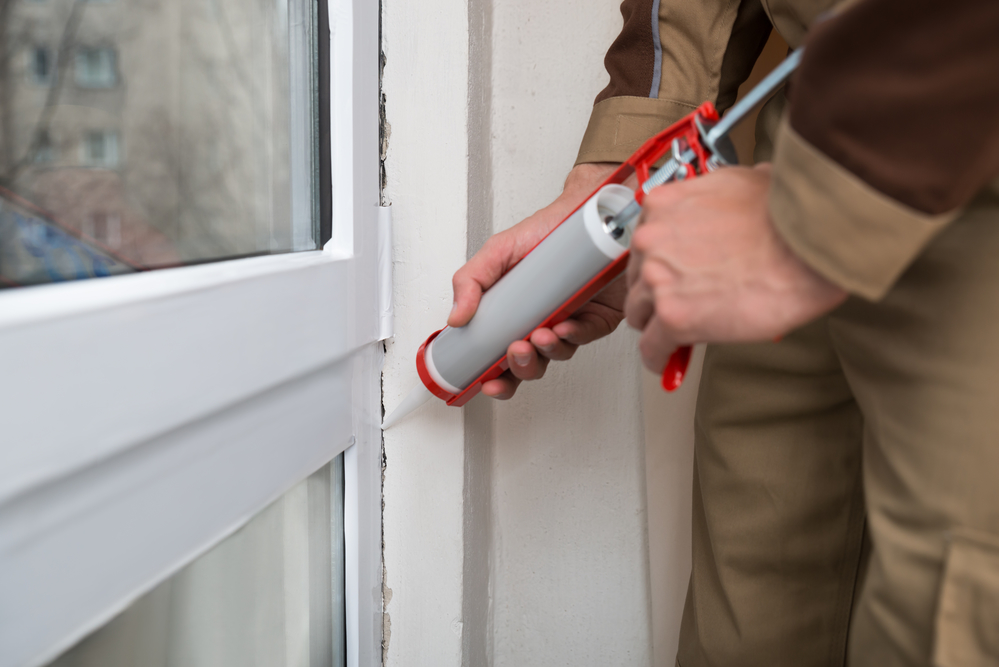
Air leaks can be a huge reason why you have a hard time keeping the heat outside of the house instead of spilling indoors. Air leaks can be a major problem around doors and windows especially, but you should also look for lack of proper sealant in places like:
- around the chimney
- around plumbing pipes leading in from outside
- around attic entryways
In most cases, you can eliminate these types of air leaks with a basic tube of caulking and a little time.
Close Blinds and Invest in New Window Coverings
Did you know that just the sunlight streaming through a window can boost the temperature inside by a dramatic amount? This is because windows that do not have UV-filtering capabilities allow the heat in, which then gets trapped inside the house. To prevent this problem, keep your blinds closed and even invest in new window coverings that block out the sun, such as room darkening drapes or curtain panels.
Consider New Windows
The primary purpose of old windows was to allow natural light into the house and there was little concern about also allowing more heat in. With advances in glass and window engineering, heat transfer through a pane of glass is not the same as it once was. Many windows have treated glass panels that reduce UV rays with low-E coatings, which is an invisible layer applied to the glass during construction. New windows are also far better insulated–often times completely preventing heat transfer through the sill or frame from the outside.
While you work to make your home a place where you can keep cool without air conditioning, remember:
- Providing shade outside of the house in the form of awnings or trees can make a huge difference.
- You can combat a huge amount of hot air with proper sealing techniques.
- The sun streaming through your windows plays a huge part in the indoor air temperature.
- Blinds and window treatments can help a lot, but can only do so much with outdated or poorly insulated windows.
Your home should be your oasis from the scorching summer heat, and sometimes, you have to work a little to make sure that is what you have–especially if you have no AC. For more tips or help with upgrades that can help you keep cool at home, contact us at RWC.