

What Things to Expect During Your New Bathroom Remodel
This is part four of a four part series on remodeling your bathroom. Learn how long your bathroom renovation process will take here.
Once you've designed your new bathroom, found a reputable contractor and chosen the materials to use, you are ready to have your bathroom remodel start. While you may have a bathroom remodel schedule in place that outlines the project for the next month, you can expect that the plan is probably not going to run in a timely manner. You will probably have a few delays during the bathroom remodel process, and you should begin preparing for your bathroom renovation with the understanding that the time estimate you were provided is simply an estimate. Soon enough you are going to have a new bathroom that you love but it’s important to know what things to expect with your remodel.
Once Demolition Starts for Your Bathroom Remodel
Demolition for your bathroom remodel is going to be both noisy and messy. If you spend your days at home, you may find the noises a bit disturbing. If you are home watching a young baby, for example, you may need to use a white noise machine in their room to allow your baby to take naps during the remodel. You will also find that there is a lot of dust around your home as the demolition occurs. Wait to wipe down surfaces once the contractors are done with demolition, or you will find yourself cleaning constantly.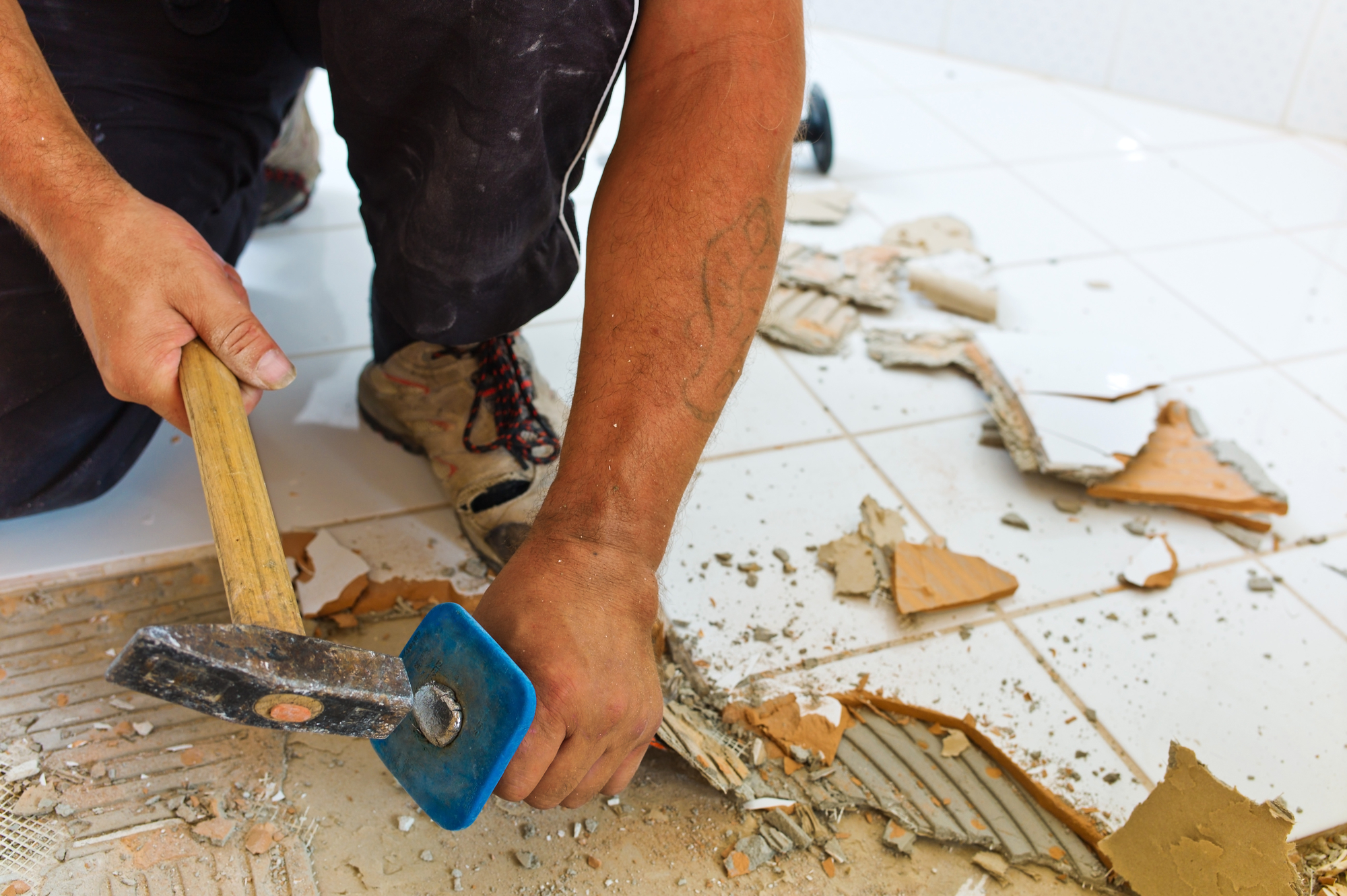
Changes May Need to Occur
Once demolition starts, your contractor may discover problems with your bathroom that they didn't know existed. This may mean that you have to spend money on sub floor or wall repairs, causing the need to change some of your design to stay within budget. You might have to find less expensive materials for your bathroom if there are significant problems uncovered by your contractor during the bathroom remodel. You may also find that you hate a particular element of your bathroom, and want to change it before the bathroom is finished.
You Won't Have Use of Your Bathroom
If the bathroom remodel is being done on the main bathroom in your home, you'll be inconvenienced during the remodel. If this is your only bathroom, your contractor will have to be creative about keeping the toilet installed so that you have something to use during the remodel process. You may have to find creative ways to bathe or shower for a few days, especially if your new bathroom design is elaborate and contains elements that will need to dry for several days.
Be Prepared for Problems During Your Bathroom Remodel
There will be changes to the schedule of your bathroom remodel, so don't be surprised. Try to remember that unexpected problems will occur, and it is generally no one's fault. Whether materials don't arrive in time, or you make changes to the design while the remodel is in progress, there are many reasons that your bathroom remodel may be delayed.
As you get ready for your new bathroom remodel, you can prepare your home to make the project less disruptive. Here are some bathroom renovation tips to keep in mind:
- Put away items that might get damaged from demolition dust.
- Plan to shower away from the home for several days or more.
- Use noise machines if you are home throughout the day.
- If you don't love something about your remodel, make changes before the project is finished.
- Try to go with the flow of a bumpy project schedule.
If you are ready to find bathroom remodelers for your home that you can trust, it's time to call RWC Windows, Doors & More at 973-227-7123. We will help upgrade your smaller bathroom or create the master bathroom you have always wanted.

How Long Does A Bathroom Renovation Take?
This is part three of a four part series on remodeling your bathroom. Learn how to budget for your bathroom remodel here.
How Long Does a Bathroom Renovation Take?
Figuring how long your bathroom renovation is going to take involves a number of things. If everything goes perfectly, the bathroom makeover should take 23 working days. This translates into 4 1/2 weeks if the contractor doesn't work on the weekends. The problem is, rarely does a bathroom renovation go this smoothly. There may be issues with the plumbing, an electrician may run late, or a problem could be discovered when the bathroom is stripped down to the studs. Keep scrolling to find out more about a typical bathroom renovation timeline and what can potentially cause delays!
After Demolition Starts
When demolition starts on your bathroom renovation, your project is just beginning. Your contractor will need to remove any old materials, strip down walls, and get rid of old flooring. Depending on the size of your bathroom, demolition can take several days. During the demolition process, your contractor may find issues with the sub-flooring that needs immediate bathroom floor renovation before the project can move forward. This is a time when delays are common. When old material is removed, problems that your bathroom remodeling contractor was not aware of are discovered. These instances will always alter your construction schedule.
Installing New Plumbing or Electricity
When you need electrical or plumbing work done in your bathroom renovation, this is generally done once demolition is complete. While the work itself doesn't take much time, trying to schedule an electrician and a plumber can add a few days to the bathroom remodel timeline. During busy seasons, you will want to schedule an electrician and a plumber as soon as you know when you'll need them.
Walls and Flooring are Installed Next
After the new plumbing has been put into place and the electrical work is done, your contractor is ready to begin sheet rocking the walls. This is a pretty fast step in the bathroom renovation process. Putting up drywall doesn't take much time, but then the seams will have to be fixed and smoothed. Once the walls are up, your contractor will then put in the flooring you have chosen. The walls will need to dry, and this can cause a few delays. In addition, if you choose ceramic tiles for your bathroom floor, this takes longer than vinyl or bamboo flooring because it will have to dry in between steps.
Installing the Sink and Toilet in Your New Bathroom
Once the floors and walls are all set in your new bathroom, it's time to install the sink, toilet and shower. The sink and the toilet installation should only take a few hours or more. If you have chosen a shower that needs to be tiled, this is going to lengthen your bathroom renovation time. If you simply chose a tub with a pre-made surround, this installation will be much faster. If you are concerned about time, talk with your contractor at this stage to see how much longer your project is going to take.
Finishing Your Bathroom Renovation
As your bathroom renovation becomes more complete, it will then be time to hang accessories, put in a faucet, and complete the detail work. You may want the walls painted a particular shade, or have designed the bathroom with a particular trim. Once the details are all taken care of, your bathroom renovation checklist will be finished.
As you consider your bathroom renovation timeline, take into consideration:
- Materials for your bathroom renovation may not be there on time
- You might change your mind on the design
- Your contractor may have a personal emergency
- You might have to change plans for budget reasons
A typical bathroom renovation should take about a month, possibly slightly longer with a few delays. At RWC Windows, Doors and More, we know that time is important to you. To discuss your large or small bathroom remodel in West Caldwell, NJ and the surrounding area, call us today at (973) 227-7123 to get an initial quote.
Bathroom Remodeling In NJ: How Much Should A Bathroom Remodeling Contractor Cost?
This is part two of a four part series on remodeling your bathroom. Learn how to plan your bathroom renovation here.
Your simple bathroom remodel can add value to your home, but it’s important to stay within a budget if you want to recoup your investment someday. In general, your master bathroom remodel cost should be between 5-10% of the total value of your home. If you spend more than that, it is unlikely that you will get your money back when you decide to sell your home. The cost of your project will vary greatly depending on a variety of factors. You can keep costs down by keeping your design simple, using materials that are less expensive, and using the same layout as before.
Controlling the Cost of Your Bathroom Remodel Starts with the Design
When you want to completely gut your bathroom, moving electrical work and plumbing, this will cost more money than if your design relies on a similar layout. Pay attention to your design, and look for ways to keep the plumbing where it is or the electrical work intact. While you may have to move one or the other, you can keep costs down by designing your bathroom in a way that uses the existing plumbing and wiring.
Choosing the Materials for Your Bathroom Remodel
Your bathroom remodel involves choosing materials that will look great together. If you are on a tight budget, you can keep costs down by going with less expensive materials to remodel your bathroom. You can also mix materials that are less expensive with products that are of better quality. If you love a particular counter top but it seems too expensive, a cheaper floor may allow you to purchase the counter you want.
If you are remodeling your master bathroom, keep in mind that this should be a bathroom design that you love. If you want to a more expensive material in your master bathroom, find ways to cut down on costs in other areas.
Keep Your Bathroom Layout Simple
If your bathroom remodeling contractors need to tear down your bathroom down to the studs, this is going to be a more expensive remodel than if you keep the layout similar to the current design. While you may need to change the layout, keep it simple to reduce costs. If you have some room in your budget, you’ll be able to play around with bathroom remodeling ideas and designs.
As you plan your bathroom remodel, keep in mind that you have some control over the cost of the entire project. While it’s hard to pinpoint an exact dollar amount for the remodel, the following factors will influence the total cost of the renovation:
- The scope of the project matters. Keep walls, plumbing, and electrical work in place to keep costs down.
- The materials you choose have a direct impact on your price.
- If the contractor finds a problem that needs to be addressed, the cost of your renovation will go up.
A bathroom renovation is a great project to improve the look and the value of your home. In order to make your renovation worth the cost, choose materials that go with the overall look of your home. You don’t want to use high-end materials in a modest home that has lower end materials throughout. In the reverse, you don’t want to use cheap materials in a luxury home.
When you are ready to start choosing materials for your bathroom remodeling in NJ, it’s time to call RWC Windows, Doors & More at 973-227-7123 to learn what your choices are. If you live in West Caldwell, New Jersey and the surrounding area, we are ready to meet with you to talk about plans for your bathroom remodel.
Planning Your Bathroom Remodel
This is part one of a four part series on remodeling your bathroom.
As you get ready to remodel your bathroom, success is all in the planning. This can be an exciting time as you envision the new bathroom that will become part of your home. You’ll have to think about your budget, and how you are going to pay for the kitchen remodel. You’ll then need to find a contractor in the area that has a solid reputation. Talk with your contractor about the bathroom remodel timeline, and discuss options to minimize disruptions to the daily life in your home. Planning also involves coming up with a new designing options for your bathroom, and deciding on the materials you want to use as your renovation project is done.
Determining Your Bathroom Remodel Budget
To properly plan your bathroom remodel, it’s important to come up with your budget first. A new bathroom can make your home sell much faster, and choosing the right budget makes a new bathroom a wise investment. Think about how you are going to pay for the bathroom remodel. The price will vary greatly depending on the materials you choose, the plumbing or electrical work involved, and the size of your bathroom. And the cheapest materials are not always the best.
Find a Reputable Contractor
Your bathroom remodel will require choosing a reputable contractor in the area. Talk with your friends and family members. Do your research online to find a contractor that you feel comfortable with. Look for reviews, and don’t be afraid to get several quotes before you commit to a contractor. While you may not go with the cheapest contractor, getting several quotes will give you a good idea about what you can expect to pay for your particular project.
Ask About the Remodel Timeline
There are numerous factors that will be considered when a timeline for your bathroom remodel is given. A good schedule to consider is 5 weeks for a complete remodel. The number of days can go up or down, depending on whether subcontractors show up as scheduled or if there has been problems with the renovation. While there are many problems that can go on with a renovation, most skilled contractors have a good idea how long a project is going to take. You can expect around a month, maybe longer for your bathroom remodel.
Designing Your New Bathroom
As you plan your new bathroom, you’ll want to consider materials that work well in the type of home that you have. If you are remodeling a bathroom in a luxury home, using cheap materials won’t increase the value of your home. Think about your renovation, and look for ways to incorporate design elements with the plumbing and electrical work that already exists. Even when a complete renovation is being done, you may be able to save a few dollars by using the existing plumbing, windows or electric.
Your bathroom remodel is going to be an exciting project. As you begin the planning process, you’ll have to think about:
- How much you can spend on the bathroom remodel to create a great looking space.
- Who you want to hire to complete your bathroom remodel.
- The materials you want to use in your bathroom design.
- The elements you want in your new bathroom and what you can afford.
RWC Windows, Door, & More is ready to meet with you to discuss your bathroom renovation options. Our professional staff at RWC will talk with you about what you want in a bathroom remodel, and help you come up with a design that you will love. If live in West Caldwell, NJ or the surrounding area, call us today at 973-227-7123 to begin making plans for your bathroom remodel.
Guide to Replacement Window Options [Infographic]
So you’ve decided it is time to spruce up your home with replacement windows. You have made a great decision for sure. Replacing the windows in your home can easily bring up its overall value to give you a 90 percent return on your investment. Plus, new windows can boost home efficiency and totally renew curb appeal. However, when you take a look at all of the choices you have before you where window options are concerned, you might feel a little overwhelmed with the process of choosing the right ones.
From varying panes to assorted shapes and styles, it can seem like your choices have no end. Take a look at this guide to replacement windows before you make your final decisions and you will feel much more prepared to find the right options for your home.
Casement and Awning Windows
- Windows crank outward either vertically or horizontally for ease of opening and closing.
- Casement windows work well in areas where windows are needed but there is not a lot of space for access, such as above the kitchen sink.
- Easy to clean thanks to the simplistic design.
- The windows offer a healthy amount of natural light and air flow when needed.
- Casement windows offer the convenience of being able to double as an emergency exit route if necessary.
Bow and Bay Windows
- Usually larger in stature for cosmetic appeal and ample natural light inside of the home.
- Windows are angled from 25 to 45 degrees for a bowed shape.
- Window setup most often consists of a fixed center window and two smaller windows on either side that open, but can have multiple frames in one setup with as many as five windows.
- Bowed window designs allow the inner shape to be used as a sitting area or shelf for added architectural appeal.
- Bowed shape protrudes from the exterior of the house to gather more natural breezes than traditional windows that sit flat against the home.
- Excellent feature for family rooms, formal living rooms, dining areas, and other larger spaces in the home.
- Windows can be casement in style or double-hung.
Double Hung Windows
- Considered to be one of the most traditional replacement window types and suitable for pretty much every room in the house.
- Double-hung windows are easy to keep clean with the ability to open both sashes inward from the frame to reach the outside glass.
- Windows have a long lifespan of about 20 years when maintained well and professionally installed.
- Work well in areas where the height is taller than the available width.
Sliding Windows
- Offer a slim, vertical appearance for a streamlined and modern appearance.
- Windows usually feature sturdy locks.
- Excellent choice in areas where only a small window is needed, such as in the bathroom for ventilation and natural light.
- Feature durable sashes that are reinforced with guides for easy sliding motion and offer the ability to tilt inward for cleaning.
- Sliding windows work well in areas where there is more width available than height, and come in an array of size options.
Custom-Shaped Windows
- Shaped in versatile styles to fit in out-of-the-ordinary shaped spaces in the home, such as above a door.
- These windows are fixed in style, which means they do not open.
- Great way to add cosmetic architectural interest in areas that need a little extra natural light.
When you get a little more familiar with the different types of windows available, it will make your task of finding the right ones for your home an easier feat. While many homeowners take the easiest route and choose the same basic window styles for all of the rooms in the house, most come up with a comprehensive list of different window styles that are suitable for specific areas. If you would like more guidance with choosing the right replacement windows for your New Jersey home, contact RWC for more information.
What to Expect During Your Kitchen Renovation
This is part four of a four part series on renovating your kitchen. Learn how to plan your kitchen renovation here.
Now that you have designed your new kitchen, hired a contractor and picked out all of your materials, it’s time to get your kitchen remodel started. Once your kitchen renovation is underway, it is unlikely to go completely as planned. The best advice to follow is to expect the unexpected, and try to roll with any changes that come along. As your kitchen remodel is going on, just remember that it will end and you’ll have the kitchen you have been dreaming of soon.
As Demolition Begins with Your Kitchen Renovation
When demolition starts, you may be surprised at the amount of noise this brings. If you work at home, you may need to find a place you can work far away from your kitchen. If you can’t be out of the house during demolition, try to minimize the impact of the noise by running a fan or white noise machine to block out some of the louder noises. You can also expect that there will be dust in your kitchen, and possibly throughout your home when demolition begins. While you can clean it up each night, you might want to wait until the demolition is complete to avoid frustration.
New Decisions May Need to Be Made
You may need to make changes to the overall design of your kitchen renovation for a number of reasons. As walls are demolished, you may discover a need to change the layout of your kitchen slightly. In addition, the project may start to go over your budget. If this occurs, you might have to make changes to the materials you have chosen for your kitchen remodel. You could also discover that you don’t like a certain aspect of your project, and decide to make changes at the last minute.
You’ll Have Nowhere to Cook
You won’t be able to cook in your kitchen during most of your kitchen remodel. This means that you’ll have to get creative about how you feed yourself and your family for the next month or so. You can try setting up a microwave in a different room in your house to heat up meals. If you can, it will also help to have a small freezer or refrigerator nearby to keep food fresh. If you have the ability, you can cook a bunch of meals ahead of time and freeze them so that you can microwave your meals as necessary.
Expect the Unexpected During Your Kitchen Remodel
Your kitchen renovation can take a wide variety of turns. The more you are able to cope with changes in the schedule, the easier it will be for you to handle your kitchen remodel. Materials can get delayed, problems can arise that weren’t expected, and you may want to make changes to the design once the kitchen renovation has already started.
It isn’t easy to feel displaced while your kitchen is being worked on, and good preparation is essential. As you get ready for your kitchen renovation to start, consider the following:
- pack away any valuables that could get ruined by the dust from your demolition
- prepare food ahead of time so you only have to reheat
- if noise bothers you, get a strong fan or white noise machine
- don’t be afraid to make changes to the design, even if it will delay the project
- know that delays will occur
- the project will end and you’ll have a kitchen that you love
When you are ready to for a kitchen remodel, it’s time to contact RWC Windows, Doors & More at 973-227-7123 and start planning the kitchen of your dreams.
How Long Will Your Kitchen Renovation Take?
This is part three of a four part series on renovating your kitchen. Learn how to plan your kitchen renovation here.
Once you have determined your budget and come up with a kitchen renovation design, you’ll need to start thinking about how long your kitchen renovation is going to take. There are many steps to a kitchen renovation, and delays can come up at any time. If your kitchen remodel is going to be extensive, you’ll have to consider demolition, moving electrical and plumbing work, installing new drywall and more. While a typical kitchen remodel might last up to six weeks, you can expect even longer if there are hidden delays that you come across.
When Demolition Begins
The demolition process means that your kitchen remodel is beginning. The process involves removing old cabinets, taking down walls, and getting rid of counters or appliances that are going to be replaced. Demolition can take a day or two, or even longer if the renovators come across problems when trying to take down materials that will soon be replaced.
New Electrical and Plumbing Work
If your kitchen remodel involves moving any electrical or plumbing work, this is the next step in the process. A plumber and electrician will be necessary, but the actual work shouldn’t take very long. Scheduling professionals to come in and do the work will probably take longer than the actual work itself.
Drywall and Flooring are the Next Step
Once any new electrical work or plumbing has been installed, it will be time to put up new drywall. Building walls usually doesn’t take long for those that are highly skilled, but the length of time this takes will vary depending on how many people are working on the job. The drywall gets cut and put up. The process then involves fixing seams and making sure the walls are all smooth. After the walls are created, the floor is installed. There can be delays at this stage, if there are problems with the drywall and seams not drying correctly.
In addition, if you decide that you want a new type of flooring after several pieces have been put down, you may need to wait until your new materials arrive.
Installing Cabinets in Your New Kitchen
Your kitchen will start to come together when you see your kitchen cabinets get installed. This can be a process that takes several days or more, especially if your cabinets are not already assembled in the factory. While there are still a number of steps to go, you can begin to see how your kitchen is going to look when your cabinets are put up. Once your cabinets are in, your countertops are ready to be installed on top of any new cabinets you have chosen.
The Finer Details of Your Kitchen Remodel
Once you have your walls, cabinets and countertops, the fixtures and backsplash can be put into place. Your appliances will be put in last, as there is nothing that will need to be done to your appliances except to have them properly plugged in. With your appliances in place, your kitchen remodel will be complete.
To better understand your kitchen remodel timeline, you’ll need to understand:
- You may change your mind on certain materials
- There may be delays in the arrival of materials
- Unexpected emergencies for your contractor may arise
- You may run out of money and need to make changes
While an average kitchen remodel should take about six weeks, you can expect that there will be some type of delay. At RWC Windows, Doors and More, our goal is to adhere to a schedule as much as possible. To learn more about renovating your kitchen in West Caldwell, NJ and the surrounding area, call us today at (973) 227-7123 to get an initial quote.
Planning Your Kitchen Renovation
As you get excited about renovating your kitchen, it’s time to start planning. From your budget to the design of your new kitchen, the better you are able to plan for your kitchen renovation, the smoother the process will go. This is a fun time for you to gather ideas, and to think about aspects of kitchen design that you love best. Once you determine what your budget is for the project, you can begin making designs on the type of materials you can use to make your old kitchen into your dream kitchen.
Determining Your Renovation Budget
A basic rule for determining the budget on your kitchen renovation is to first consider the overall value of your home. A reasonable price to pay for a renovation is anywhere from 5-15% of the total value of your home. You’ll want to think about if you are renovating for your own enjoyment, or you are renovating in an attempt to make your home more valuable to potential buyers. If your home is high end, you may lose value if you do your renovation using cheap materials. On the other hand, if your home is in a working class neighborhood and you install granite countertops and expensive appliances, you may not get your money back either.
Find a Contractor in Your Area
If you’ve never worked with a contractor, it’s time to start asking for recommendations from friends and family members. While there may be many contractors available, this is a job where reputation matters. The work you have done on your home will need to be done well, and you will want to work with a contractor you can trust who will get the job done right the first time. Once you begin to get recommendations, you’ll want to do research. Check the Better Business Bureau to see if any complaints have been filed and consider sites that offer reviews of local businesses to see what people are saying such as Houzz or Facebook.
Talk With Your Contractor About the Renovation Timeline
A poorly adhered to timeline can turn a great kitchen renovation into a nightmare. Talk with your contractor about realistic timelines, and ask what you can do to make the process go more smoothly. While you should expect some delays, a good contractor should be able to keep the project on schedule for the most part. If you are doing a complete overhaul of your kitchen, you won’t be able to use the space until the renovation is done. This makes it even more important to talk about the timeline with your contractor and set realistic goals for the entire project.
Your Design Concept for Your New Kitchen
You don’t have to be a kitchen designer to know what you love about a newly designed kitchen. You can talk with your contractor, or meet with a kitchen designer to come up with a blueprint that will work for you and your home. This is where budget can play a significant factor and you may have to make decisions as to what you want to cut from the project and what you can’t live without. Take the time to look at color schemes, appliances, countertops and more to decide what you want in your final kitchen design.
To get ready for your kitchen renovation:
- set a realistic budget
- do your research to find a contractor
- decide on your design ideas
To learn more about options for renovating your kitchen today, contact RWC at 973-227-7123 and talk with one of our kitchen renovation professionals. Together we will discuss your ideas and determine a plan for renovating your kitchen.
The Benefits of Making Your Home Energy Efficient [Infographic]
“Energy efficiency” — Is it just a buzz phrase? Or is it your wallet’s best friend?
If you’re leaning towards ‘buzz phrase’, the chances are high that you’re letting money creep through the cracks in your home every single month. A few minor adjustments here and there could put hundreds or thousands of dollars back in your bank account each year. In fact, according to Energy.gov, homeowners in the U.S who take measure to save energy at home experience an average annual savings of $723 to $1,182 as a result of some pretty simple home improvement steps.
Intrigued? Read on to see how you could save some substantial cash each year!
New Jersey is a place where the summers are humid and the winters can get downright cold. In either situation, your best bet is to have a home that’s built to keep your wallet intact. At RWC Windows, Doors & More, we love to help our clients achieve substantial savings with energy-efficient upgrades. Of course, the above figures are just estimates, and you won’t know your true savings until you embark on your own energy efficiency journey. So, what are you waiting for? Get started by contacting our team at RWC Windows, Doors & More today!
Wonderful Windows: 4 Factors When Choosing Efficient Options
Choosing wonderful windows is an easy way to make your home more desirable, but is about far more than just aesthetic appeal. These days, with the costs of heating and cooling a home higher than they’ve ever been, homeowners must treat buying new windows for their home a little more seriously. Carefully considering the efficiency of different window types right from the start of the buying process is one of the best decisions you can make. Take a look at these four factors you should consider when choosing the most efficient window options.
Consider Double-Paned Windows
Heat and cold transfer through ordinary panes of glass can be a big problem, making it harder to ward off cold air and hot heat from the outdoors. Double-paned windows are definitely a factor to be considered when you are going for the most energy-efficient window options. These windows are designed with two panes of glass in the frame instead of just one, and the space between the two glass panes contains either a gas or vacuumed air that absorbs heat and cold so it doesn’t transfer through the interior glass. Double-paned windows are far more accessible and affordable than they once were and do an excellent job of keeping your home as efficient as possible.
Check Out Various Window Treatments
There is a great deal to be said for window treatments where efficiency is concerned. If you don’t have blinds up, for example, you could see a lot more heat transfer than usual. If you are upgrading your kitchen windows, take the time to also replace blinds, curtains, and shades. When you take the effort to replace your windows, it is also a good time to consider changing up your window treatments and making some adjustments to coincide with a more efficient overall design.
Check Energy Performance Ratings of Different Windows
Whether you go for double-paned replacement windows for your home or windows with triple panes and protective qualities, you should always be able to find the window’s energy performance rating before you buy. These ratings are given by the National Fenestration Rating Council (NFRC) after the windows have been thoroughly tested and evaluated for things like:
- heat gain and loss
- air leakage
- sunlight transmittance
By checking out the energy performance rating of various window types, you will be able to easily compare the various products you come across and make an educated choice about the best options.
Consider Window Glass Options
There’s a world of difference between old windows and new ones, specifically where the glass is concerned. Manufacturers of home windows are far more focused on creating a product that has efficient features consumers will be looking for in windows. Because of this, new window glass can be treated with all kinds of protectants, insulative layers, and components. You can find things like glass with the Low-E glazing on the interior panes that reflects the heat inside of the back into the interior space to better contain heated air in the winter. There are even windows that UV-protective glazing on the exterior panes to block out the sun.
All in all, there are four factors to be considered with window efficiency when you are making upgrades to your home, including:
- considering double-pane windows as an option for your home
- vamping up the window treatments you have in place with more efficient choices
- checking the energy efficiency rating of various window types
- taking a close look at the different types of glass in new windows
By considering these four factors when replacing windows in your home, you are bound to end up with efficient options suitable for your home. If you would like to know more about energy-efficient window options, contact us at RWC Windows, Doors, and More in New Jersey for advice.