

Use Designer Glass to Beautify your Home
Every house has glass elements. Since they are so commonplace, we often overlook them. However, that is a mistake. Instead of just viewing the glass in your home as utilitarian, you need to start seeing it as an extension of your personality and your home’s aesthetics. Adding designer glass highlights to your home is an easy way to create additional visual interest without breaking the bank. The following are some examples of ways to add designer glass to your home to increase its visual appeal.
Do not let the words “glass blocks” scare you. Although you may still have nightmares about the hideous frosted glass blocks that were popular in bathrooms in the 70s and 80s, glass blocks have come a long way since then. So, get that image out of your head and the frightened look off of your face. Today's glass blocks are modern, sleek, and innovative. They can break up a dark space to make it seem lighter; be used as a display piece, such as a vase, or serve as a room divider that doubles as a conversation piece. There is no shortage of ways in which glass blocks can add beauty and interest to your home.
Sliding glass doors are the traditional way to get from the inside of your house to a patio or other outdoor living area. However, these doors are normally just huge pieces of plate glass - totally boring. Your sliding glass door doesn’t have to be dull and mundane. Try thinking about your sliding glass door as an extensive empty canvas. Replacing the original glass with some designer glass is the perfect way to add some style and personality to a seemingly bland background. The right designer glass can add a personal touch to an area, provide an excellent view of the outdoors, or even add some privacy indoors. The choices are endless and are only limited by your imagination.
Glass staircase
If you are looking to add an ultra-modern touch of flare to your home, consider installing a sleek glass staircase. A glass staircase can add light and dimension to a home. It can also give a smaller area the illusion of additional space. Glass staircases are the perfect excuse to use designer glass to make an ordinary space look grand by combining functionality with modern beauty. A beautiful glass staircase can dramatically change the way an entire room feels. So, if you don’t have small children, swapping out your tired, old wooden or metal stairway for one made from designer glass could be a great way to give your entire home a face-lift.
If you are looking for a more subtle change than what you will get with a glass staircase, there are plenty of ways you can scale it down a bit. One way is to add some simple etched glass to your home. Etched glass can be added to both interior and exterior windows and will provide a lantern-like appearance when it is illuminated. It provides a milky-white appearance that cannot be penetrated. Using etched glass is a great way to add some privacy to a room without sacrificing the aesthetic appeal of the area.
Adding designer glass to your wet bar is a great way to show off your beautiful and colorful bottles of libations. If you look at your bar with a discerning eye, you will notice that it is a world full of varying colors and textures that are just waiting to be highlighted. Designer glass is the ideal material for shelving in your bar. The colorful liquids in the bottles will reflect off the glass and create a spectrum of colors that will be eye-catching to everyone who walks by. You can even turn it up a notch by switching out the commercial bottles for original containers such as bell jars and apothecary jars.
Add a backsplash in your kitchen
Nothing adds visual interest to a kitchen like a backsplash. Gone are the days when a backsplash was nothing more than ceramic tiles. Now, you can use decorative glass to create a magnificent mosaic. Painted designer glass serves as the perfect medium to create a backsplash that is charming as well as functional.
Your home should be an outward expression of your true self. Adding designer glass is an excellent way to turn your entire home into an object d’art. RWC has a wide variety of designer glass choices to fit every homeowner’s style. Whether you are looking for something simple, like etched glass cabinet fronts, or something ornate like, a domed ceiling, RWC has you covered. RWC is a family owned company that has been in business since the 1950s. We offer a wide product selection and unparalleled service.
Contact RWC today. One of our representatives will be happy to assist you in finding the best designer glass to fit your needs.

Project Spotlight - Bathroom Remodel (Tub to Shower Conversion)
Need Tub To Shower Conversion Ideas? Let RWC Help.
Although we didn’t change too much structurally with this tub to shower conversion, the renovations that we made turned it into a completely different bathroom.
We’re pretty sure that if the homeowners didn’t know there was work being done, they wouldn’t be able to recognize their bathroom after the RWC team got through with it.
What used to be a crowded space with just a bathtub, vanity and toilet, became a bathroom with a large shower with glass enclosure, and a ledge that can fit anything you would ever need including space to sit down.
The following are pictures we took of the space so that you can see the transformation for yourself:
The homeowners even took the time out to write us a thank you card! Check it out:
If you like what you see, give us a call today for a free consultation! We are proud to provide quality NJ bathtub conversions and we’ve been relieving home improvement stress since 1959.
The Ultimate Guide to New Jersey Kitchen and Bathroom Renovations
PROLOGUE – The Introduction
A lot is to be expected from a home. After all, it’s where you spend the majority of your time, and you’re going to want to make sure it meets your own personal criteria.
Your home is where you raise your family, build memories, host parties and come to kick back and relax. When it comes down to your overall happiness: is your home up to par? Are you proud of your kitchen or bathroom? These wants and expectations can play a huge role in your satisfaction both inside and outside the confines of your house.
Reasons to renovate your kitchen, bathroom or other rooms in your house might include safety, age or need. Is your kitchen safe? Safety goes hand-in-hand with the age of the members of your household. Also, how old is your kitchen? Age goes hand-in-hand with need. The older your kitchen is, the more likely it is that your kitchen no longer fits your needs.
America has changed. It wasn’t all too long ago that the kitchen wasn’t considered the heart of the home. In fact, the kitchen wasn’t supposed to be seen at all. It was a room designated for the homemaker, kept behind closed doors. People preferred to see the results of the kitchen rather than the kitchen itself. From a Christmas turkey to a perfectly made summer’s pie, people have been making things in the kitchen for…well, forever.
So, you’ve decided on a new kitchen or bathroom. For that reason, we’ve put together this guide to help you get the most from your renovation. Most homeowners, especially new ones, don’t know how to get from where they are now to where they want to be. Some aren’t aware of the work that is involved, the cost or the amount of planning that goes into a kitchen or bathroom overhaul. The last thing you want to do is to spend thousands of dollars on a new room only to find that the quality went down the drain somewhere along the way.
Fortunately for you, there is now a handbook on the entire process, and you’re reading it. Everything you need to know about New Jersey Kitchen and Bathroom Renovations can be found here. If you follow this guide, we can almost guarantee that you will love your new home.
SECTION ONE – What to Expect: Planning Your Renovation
Know What You Want
Contrary to popular belief, it pays to avoid getting all sledgehammer and demolition crazy (however strong the temptation). In fact, leave the messy, dusty, dangerous sledgehammer out of it. The first several steps are planning steps – no use for the sledgehammer here!
You may have done a good deal of planning already. Even if you have, let’s start over and do things the in a more careful and intentional way. Your home is too precious to gamble with. Don’t take chances with your renovation. It is important to make sure that you have thought through almost every decision before you even begin hiring a contractor.
A great place to start is with your inspiration. What do you want to see in your kitchen? If you are unsure of where you want to go with this renovation, go online to websites like HGTV, Remodelaholic, Dot & Bo, and even Wayfair. Do your research, discover what you want, and get ideas. Let yourself be inspired and excited about all the possibilities.
Thinking of the result can be enormously rewarding. Here’s how to decide on a desired result and work backwards. Let’s start by saying that you found a picture of a kitchen you want to see in your home. Although your kitchen is probably laid out differently, all kitchens come with the same basic elements like a sink, stove and refrigerator, just to name a few. So, realistically, the picture you found is for design purposes only.
Isolate just one of those elements—the cabinets. Let’s say you like the image because you want those cabinets in your kitchen. What do you need to do to get those cabinets? Are they custom or factory made? Once you find out, you can order them, but they are just going to sit on the floor somewhere in your home until your kitchen is at the point where you can install them. How do you get your kitchen ready for cabinet installation? Your old cabinets need to come out. Cabinets don’t just pull off the wall (although, that would be nice), so you have to plan how you will remove them. Another step further backward would be emptying the cabinets so that you can pull them down. It is important to think if every detail before you begin your remodel. Even the simplest of mistakes can cause substantial delays.
If you haven’t had any luck with online sources for inspiration, you can also explore print media. Southern Living is a classic magazine that is overflowing with ideas. Pottery Barn is another one. Until you find what you are looking for, don’t stop looking. Once you decide what you want, write it down. Collect photos from online interior design sources or cut out pictures from a magazine. Make a collage out it, if you’d like. The bottom line is that it is important to know what you want before you do anything else. Make sure you make up your mind long before you go on to the next step. A concrete decision is crucial. Your contractor will take this information and use it to plan the next part of your renovation. Once you get the general contractor involved, and the project started, it will be too late to change your mind. Well, technically, it won’t be too late, but it will be very costly and expensive—both in time and materials. This post is a guide, a road map, to the kitchen or bathroom of your dreams. If you want to have a smooth reno, you can’t be changing your mind in the middle of a project.
Planning Your Renovation: Consider House Size
Don’t get your contractor involved yet. Just because you’ve made the design decisions doesn’t mean you’re ready. This next section is laid out to prepare you to meet your contractor.
This guide is for you, not your contractor. If your contractor is worth his salt, then he’ll be thorough gathering information from you and your house long before he begins any job. If he doesn’t gather the following information, it’s a red flag and a sure sign to choose another contractor.
Your contractor will help you plan the layout of your design, which may or may not match your current layout. In fact, several things might change depending on your design decision. Let’s talk about your choices for each room.
Bathroom
In the bathroom, you have several decisions to make, and many of them may have already been dictated by the dimensions of your space. For example, if your bathroom isn’t large enough, you may not have the luxury of being able to move pipes. Therefore, your fixtures may need to stay in their current location. However, the one thing that he space cannot dictate is the style.
The following are things you may need to ask yourself as you prepare to create your plan. Do you want a stand-up shower or an over-sized garden tub? Do you have the physical room for such a tub? If you only have one sink, do you want another? Will your house accommodate another sink? How about counter space? You will need room for the basics at a bare minimum—soap, toothbrush, razor, perhaps a cotton ball container, Q-tip container, hair brushes, combs, lotions, etc. You need counter space. Do you like the idea of under-the-sink cabinets? What about medicine cabinets? It might be a prudent and wise decision to add a medicine cabinet for every sink—perhaps even one more than the number of sinks you have. Do you have room for a linen closet? Towel storage inside the bathroom provides an invaluable convenience when you need a fresh towel, and it’s in the bathroom rather than somewhere down the hall in the linen closet.
You need to hire the right one. How can you tell? Shop around and follow your gut. There are websites like Annie’s List or FastContractorLeads.com that can point you in the direction of reputable contractors.
Essentially, you will need to put the job in front of several contractors and gather estimates, often by way of appointment. Before you do, however, you need to have a job for them. The job needs to have precise specifications—something you can obtain with the help of your interior designer.
While you do need to place a level of trust with your general contractor, remember that this is your property. Don’t be afraid to meet and greet every single subcontractor that works on your property. If a general contractor attempts to forbid you from doing this, then you might want to consider another alternative in the way of general contractors. That is an immediate red flag. It is your responsibility to know who is in your house and what they are doing. This includes:
- Plumbers
- Electricians
- Carpenters
- Tile Work
- Flooring
- Drywall
Know who is on your property and why they are there. Let them know that you come by often and that someone is watching them.
Expect to make a payment in advance. Some contractors require 30% of the job estimation up front to cover materials while others expect closer to 50% to make sure subcontractors get paid promptly and correctly. Subcontractors—or the skilled laborers working on your house—won’t work unless there is a clear expectation of compensation. This is usually a fixed cost, but you will still find those who are hourly workers. Subcontractors will not wait until the end of a project to get paid while general contractors will. The only person you pay is the general contractor. The fee he or she charges goes to cover all the charges subcontractors might charge for their work.
Plan your materials. Once again, this can be completed with the help of your interior designer. If you want to ensure that your project goes smoothly and quickly, you will need to order your materials well ahead of time. It is recommended to order your materials in the required quantity plus 10% for errors or possible damage. Make sure all materials are delivered before work begins. The best contractors in the world can do nothing without materials. So, make sure that you have your materials long before subcontractors set
foot on your property. Finally, painstakingly inspect each and every brick, tile, piece of wood, fixture—you get the idea. Make sure everything is in good working condition before work begins. Furthermore, inspect it with the general contractor and have him sign an affidavit acknowledging that all materials placed under his stewardship are not damaged. This prevents future claims that you supplied broken materials. If you provide damaged materials, you will pay the penalty of supplying more. However, if it can be proven that the fault lies with the subcontractor, then he is in charge of securing and ordering more materials.
If your goal is to save money, then the best way you can do this is to not order any new appliances. The appliances you had before are most likely in good condition and, therefore, are reusable. Remember, you can always upgrade later. However, if you do plan on upgrading later, let your contractor know that you have plans for upgrading to that new 36” gas stove over your current 30” electrical one. The last thing you want to do is find out you can’t get your new stove later because you didn’t plan on it—or that you need to replace your kitchen cabinets and counters to accommodate. At that point, you may as well be planning on a whole new renovation and the end cost of two renovations will be much more expensive than if you had purchased that new stove to begin with.
When you have your designs in place, stick with them. Set clear goals and take responsibility for them. You will have one frustrated general contractor on your hands if you are in the habit of always changing your mind in the middle. Make your decisions and stick with them.
Don’t ignore what you see. If the contractor finds rotted wood underneath the floor, he may come to you and tell that your new stove can’t be installed unless a new subflooring is installed to support the weight. Listen to your contractor but, more importantly, listen to your gut. If you feel you need a second opinion, get one. You may have issues behind your walls that need fixing before you can continue with your renovation. While your house does need to be in good condition, you don’t need to break the bank with a remodel.
Finally, don’t skimp on cheap materials. In the construction world, you get what you pay for. You need to find that perfect balance of aesthetics, price, and quality. When these three merge, you have value.
SECTION THREE – Planning & Communication
People who have completed renovations on their own have a much better idea of the time that it takes to complete a full room renovation. Unlike what you see on television shows, it does not take a single weekend. It takes months. Patience is key. Rest easy and relax knowing that you have all the help you need between the interior designer and your general contractor. Trust them because they know what they’re doing.
The average time it takes for a renovation is six months. That’s four months of planning and two months for the execution. I can’t emphasize this point enough; know what you want before the demolition starts. Once it begins, your plans need to be completely solidified. Materials need to be ordered, delivered and inspected for quality and quantity months before demolition begins. Talk to your local utility company about what it might take to get a water line to the freezer for your new refrigerator’s ice cube maker. If you’re getting a new gas stove, but don’t have a gas line, you’re stuck until you talk to your utility company and can get one installed.
The contractor can do anything if you throw enough money at the project. Know your budget and stick to it. If, for whatever reason, the contractor is going over budget, you need to know why and it is smart to ask immediately.
Consider keeping the sink in the same place, the stove in the same place, and so on and so forth. Adding services adds to your cost, and you may find that some upgrades are completely unnecessary.
Communication at all stages is absolutely necessary. Consider collaborating online using services like Trello or BaseCamp to give the contractor a way to communicate with you wherever you may be. If the renovation requires you to move temporarily out of the house, make sure you visit the home often to stay informed about its progress. We’ve said this before, but it bears saying again: Have all materials on handbefore demolition. The lack of materials, especially custom materials like special tile for your backsplash or floor, can cost you months of waiting time. If the contractors are working on your kitchen, you may find that you don’t have a kitchen in the meantime. Many people decide to move temporarily to give the contractors the room they may need to work efficiently. If you don’t plan your materials right, you may run out well past your welcome date.
When you order materials, plan on ordering an extra 10% minimum to prepare for damages. Materials can get damaged while in transit or by laborers during the project’s execution. Once again, if you can’t finish a project you started because you don’t have the materials, you may have just extended the planned end date by months. Furthermore, and possibly the most important, know your limits. Your renovation can be a pleasant and exciting experience if you do it right. Don’t break your budget or otherwise place your finances in jeopardy because you didn’t plan correctly. Overspending can put your renovation at risk, and leave you with facing the possibility of being left with a half-finished renovation.
Local permits may be required, so ask your general contractor. It is a red flag if your general contractor isn’t completely knowledgeable about local law, permits and safety codes. The beautiful thing about excellent, legitimate contractors who earn their money by doing a good job is this: They don’t do anythingwithout a reason for doing it. If you ask them why they did something, they will always stand by their work and provide a good, reliable answer.
SECTION FOUR – Mistakes to Avoid
Mistake Number One: Don’t Buy Cheap Materials.
This is your house, the protection you offer yourself and your family. Everything about it should define who you are. Keep in mind throughout the renovation process that your home is an investment. Don’t buy the cheapest materials you find, try to buy the nicest materials that you can afford. Remember that cost doesn’t always equate to quality. If you want tile countertops, then get the most beautiful tile you can find with the design you want on it. Just because it might be cheaper than marble countertops doesn’t mean that it is of a lower quality. Find out what you want. Then, get the highest quality materials you can afford.
Some people renovate because they want to raise the value of their homes due to the fact that they plan on selling their house. If you use cheap materials, you won’t get a decent return on your investment. In fact, you may find out that the renovation lowered the value of the home. Don’t let that be the case after you spend thousands of dollars on a remodel.
Mistake Number Two: Don’t Hire the Wrong Contractor
There are ways to discover if you have a reputable contractor or not. If they say they are licensed and bonded, request to see the paperwork. It should be easy to produce if they are honest.
Sign written contracts. This is where it can get sticky. Don’t hire any contractor who downplays the importance of the written record. Free, legally-binding contracts can be found online. They protect the homeowner from dishonest contractors. They safeguard the contractors from deceiving homeowners. It is a communication tool. Both sides—the contractor and the homeowner—will write down the scope of the job. Both sides will know what is expected and what is not expected. This way, the homeowner and the contractor will know when the contractor will get paid and how much.
It is very important to understand that if it’s not in the contract, it’s not fair game. I know of someone who installed a new front door for a homeowner. Since neither party signed a contract, the contractor got swindled. The homeowner wanted him to paint and caulk the trim, fill in gaps in the flooring around the door, and any other work he could get from the contractor. Had they signed contracts, the contractor would have received payment for the work that was outside his scope. His job was to replace the trim after installation, but not paint or caulk the baseboards next to the door. Contracts protect everyone. It is legally enforceable in court if one party doesn’t hold up their end of the bargain.
Mistake Number Three: Don’t Set an Unrealistic Budget
Your home renovation will cost you money. It is an investment, and everything that is done to your home will belong to you. As the owner, you must take complete responsibility for the project. Do not attempt to do any home renovation unless you’re completely confident that you can afford it.
With the debt that America is in, there is a new, refreshing ‘Get Out Of Debt’ plan I’d like to present to you. It’s very straightforward. It’s called, “If you cannot afford it, do not buy it.” Your finances are important. No kitchen or bath remodel is worth putting your finances in jeopardy. It is more common than not that those who set a budget change it at least once or twice before the project is over. Decide how much you want to spend and how much you are willing to spend. Write these numbers down and stick to them.
SECTION FIVE – How It Helps Your Home Value
Your homeowner’s insurance company needs to know about this renovation if you expect them to protect it. As such, this is one more professional whose advice you will want accept freely. Insurance adjusters and real estate agents can estimate your ROI or return on your investment.
If you don’t plan on selling your house, then take your time with your renovations. Many people who are well past retirement age are renovating their homes ever so slowly. I walked into one particularly impressive house that was maintained very well by its homeowners. When I asked them their secret, they said they’ve been working on the house for 20 years and still weren’t done. They don’t have plans to stop, and they took their time to do it right.
If you don’t plan on staying in your house for the rest of your life, you need to keep something else in mind entirely. While it may be a difficult pill to swallow, you’ll get a much better return on your investment if you do.
When you’re ready to sell your house, people will come by to take a look at it. After all, would you buy a house you’ve never seen before? If the house is personalized too much, it could turn potential buyers away. When a potential buyer comes to look at your house, you want them to see a blank slate—something they can personalize once they buy it. Therefore, it is vital that you choose gender-neutral designs and colors. Leave the walls blank, the hallways and aisles clear and the house clean. Anything that is personalized too much may cause a buyer to think, “This isn’t the house for me.” As a seller, you don’t want that. You want the buyer to be impressed enough to spend a couple hundred thousand dollars purchasing your home.
EPILOG – Appliance Considerations
As you choose appliances for your renovation, go through the following checklist. This checklist applies to any appliance from the air conditioner to the stove. Remember that cheaper appliances aren’t always as they seem. Inexpensive appliances often end up costing you money in the long run.
For stoves and furnaces, consider the BTU output. BTU is an acronym for British Thermal Unit. Although its name seems to suggest otherwise, it is no longer commonly used in the United Kingdom. BTU is a unit of measurement for energy. One BTU is equal to the amount of energy used to raise the temperature of one pound of water one degree Fahrenheit. Case in point, the higher the BTU output, the more energy the appliance will output.
Do you need that $18,000, six-burner gas stove? It is a luxury item that will certainly look good in your kitchen, but there’s a reason most stoves have four burners. Most people want six but only need four. Consider your needs over wants.
Study the energy efficiency of the appliances. A higher efficiency leads to a higher upfront cost, but a lower operational cost that might save you money in the long run. For example, an air conditioning unit that is a 16 SEER minimum will save you money over cheaper, less efficient models. It will cost less to operate because it will do a better job keeping your air at a desired temperature, thereby causing the unit to not have to work as hard.
Consider the ease of operation. Is it easy to operate or do you need a two-inch thick instruction manual to make a few adjustments? What safety features does it have? Consider the case of a water heater. Many water heaters require you to use a screwdriver to remove the cover that gives you access to the dial that allows you to change the water temperature. Even then, the water temperature must be adjusted with a screwdriver. This procedure prevents accidental water temperature changes and prevents unexpected water burns.
How easy is it to clean the appliance? Some appliances, like the fins of the outside air conditioning unit, work better when they are cleaned professionally. Choose something easy to clean and maintain, like a glass-top stove. A glass-top stove is surely easier to clean and is safer for children than a six-burner gas stove.
In The End
Home ownership is not a luxury afforded to everyone. Equal opportunity also means equal responsibility. Your house is an investment - care for it! Enjoy your home. Love your home. Take care of your house, and your house will take care of you for years to come. Do things right the first time and call RWC for your remodeling needs.
5 Ways to Childproof Your Home
Whether you have lived in your current home for decades or have just moved in, it is vital for the safety of your children that you inspect every nook and cranny for ways to make improvements. This post will describe five ways that you can make your home safer for children of all ages. Some home improvements are small and require little effort, but others need a little more elbow grease. No matter the size of the project, every step you take to make your home a safer place for your children will pay off in the long run – especially in peace of mind. As you are probably well aware, children always have a way of knowing what they are not supposed to do or touch and then proceeding to do or touch it anyhow! The following are our top 5 tips for making your home a safer place:
1. Install Gates
Though this may seem like a no-brainer to some, others are not so convinced or are not utilizing them in as many places as they could. Baby gates are most commonly seen at the top and bottom of stairs. This is to keep children from falling down, or climbing up and then falling down, stairs in the home.
However, another great use for baby gates is to keep your young ones out of rooms that you consider to not be childproof. For example, this may mean separating your child from the kitchen or bathroom. Though baby gates are in investment, it may be cheaper for you to install a gate than to make your entire kitchen or bathroom childproof.
2. Use Bumpers
Your furniture may have some pointy or hard edges. Though this is not something you have to think about until your kids can get up and start moving, it is something that you cannot afford to forget to do. Amazon is just one great resource for finding foam corner guards.
The New York Times reported that in 2009 alone, over 140,000 children were sent to the hospital due to coffee table related injuries alone. If you have childproofed your home and attained some of these foam baby bumpers, yet your child still manages to hit his head, here is an excellent resource you can use to see if he needs to go to the hospital.
3. Update Your Windows
Your windows may pose more of a threat to your children than you think. If your windows are old and have a tendency of falling shut, your little one’s fingers may be in danger. If your windows are not equipped with the proper locks, little ones may end up with the window and opening it. Though one may assume that screens offer sufficient protection between your child and the outdoors, you are wrong.
According to Time.com, a surprising 5200 children fall from windows each year. And, approximately 80% of those windows were reported to have functional screens. If you are looking into installing new windows, RWC can help you get the job done right. If installing newer, safer windows are not in your budget, just make sure that your windows lock securely and that you have no furniture butted up against them. This will keep your children from climbing around and playing with your windows.
4. Keep Chemicals Out of Reach
Your little one will try to get into anything and everything they can. If you have cabinets or drawers that are within your child’s grasp, it is critical that you purchase and install child safety latches. These latches will not allow your child to gain access to the cabinet or drawer, keeping him away from its contents. These can be purchased at Babies ‘R’ Us as well as several other retailers.
If your cabinets do not allow for the use of child safety latches, perhaps it is time for you to make a change. If you are interested in installing safer cabinets that allow for the use of such safety products, or if you are interested in remodeling your kitchen to create an overall safer area, we encourage you to contact us at RWC.
5. Stuff Your Sockets
The last and possibly most important tip is ensuring that all of your electrical outlets are properly covered. Electrical outlets are one of those things that children inevitably discover they are not supposed to touch, and inevitably always try to do. There are many companies that sell plastic protectors that you essentially plug into your electrical sockets. These covers make it so your little one’s tiny fingers cannot access the socket – keeping them shock free!
If you are not comfortable with the level of safety that your home currently offers your children, it may be time to contact RWC. RWC is dedicated to helping its clients create a safe environment for every member of their family.
Visit our home page to request a quote from RWC and view the services we provide today!
Project Spotlight - Westwood, NJ Bathroom Renovation
"Are we satisfied? YOU BET WE ARE!!!!!!!...."
It's testimonials like these that help us remember why we love what we do. And that's just the ending sentence!
This truly tear-jerking letter from home owners, Pete and Michele Fedorchak, deserves its own blog post.
So without further ado, let's hop into this awesome bathroom renovation from start to finish.
We did a full remodel that delivered the “WOW factor” that Pete and Michele were hoping for. This is what their bathroom looked like when we began:
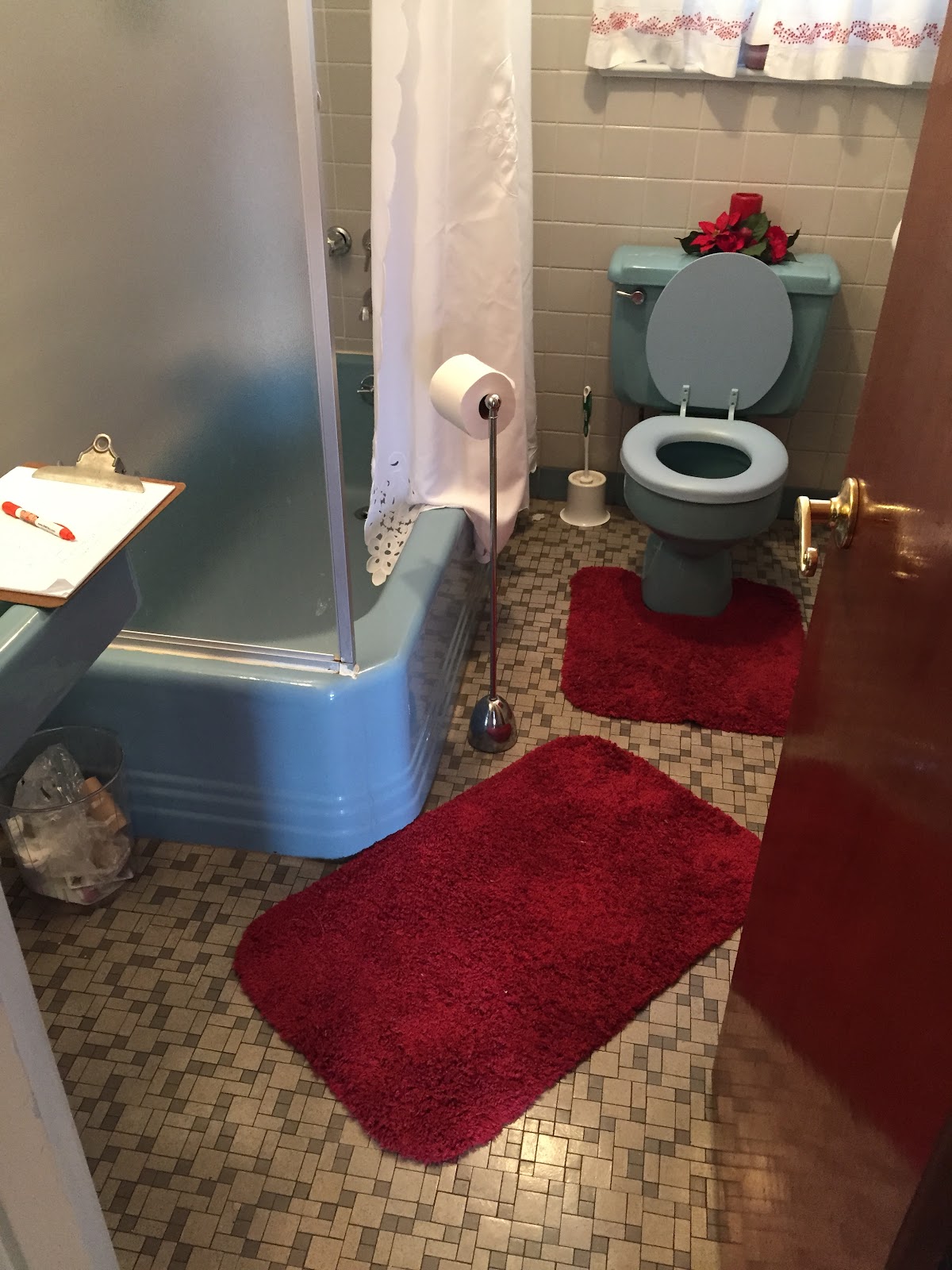
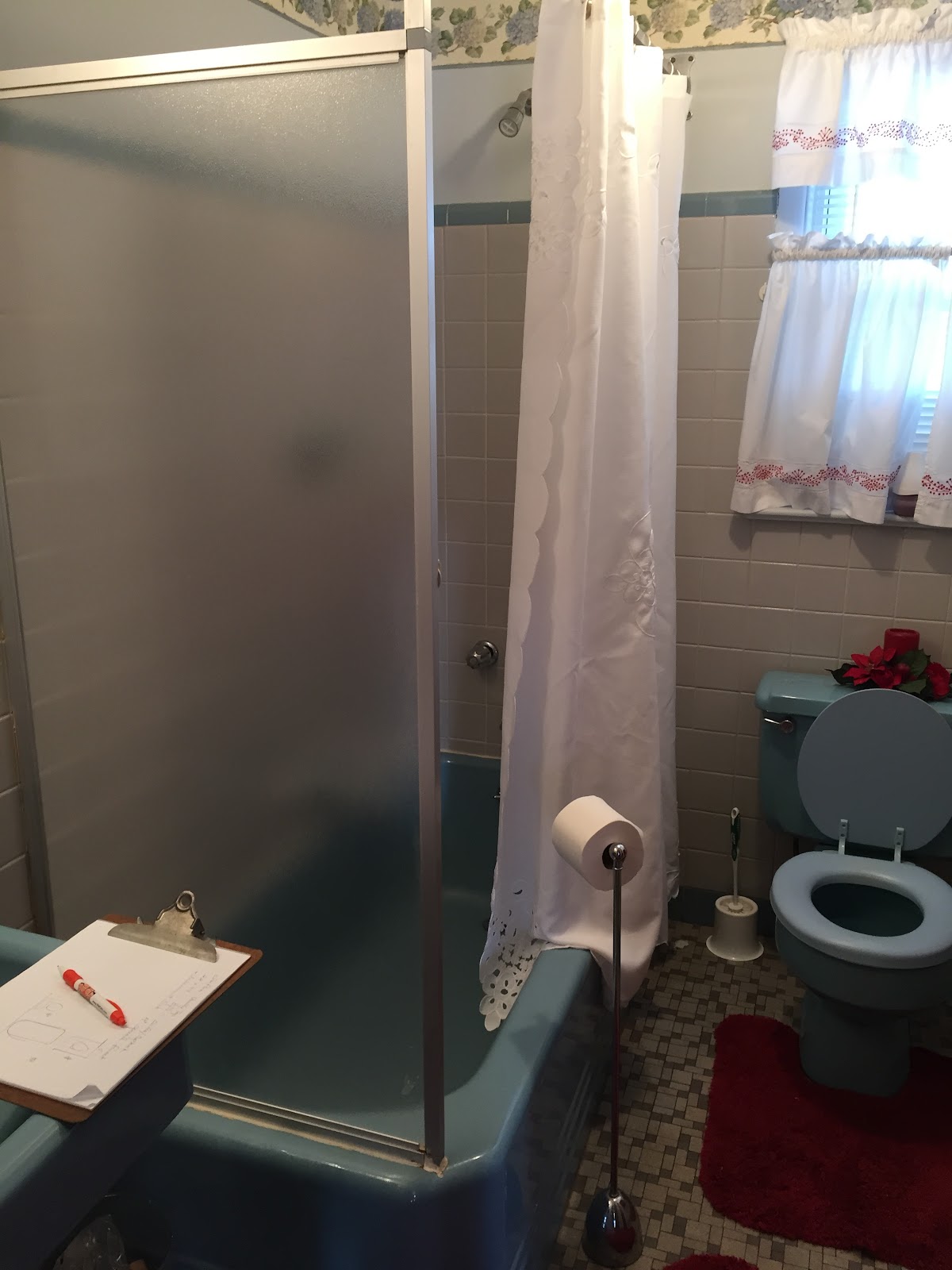
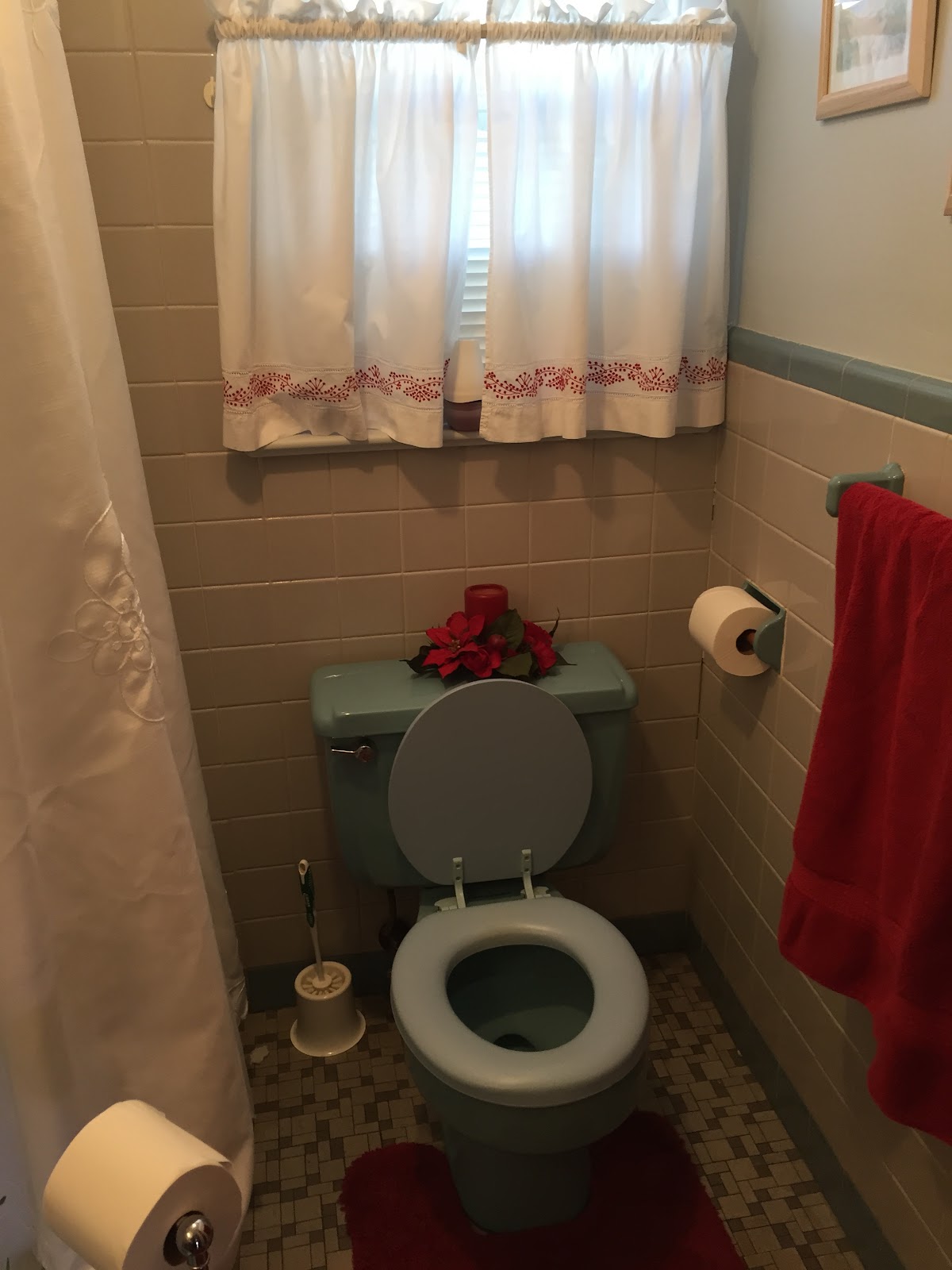
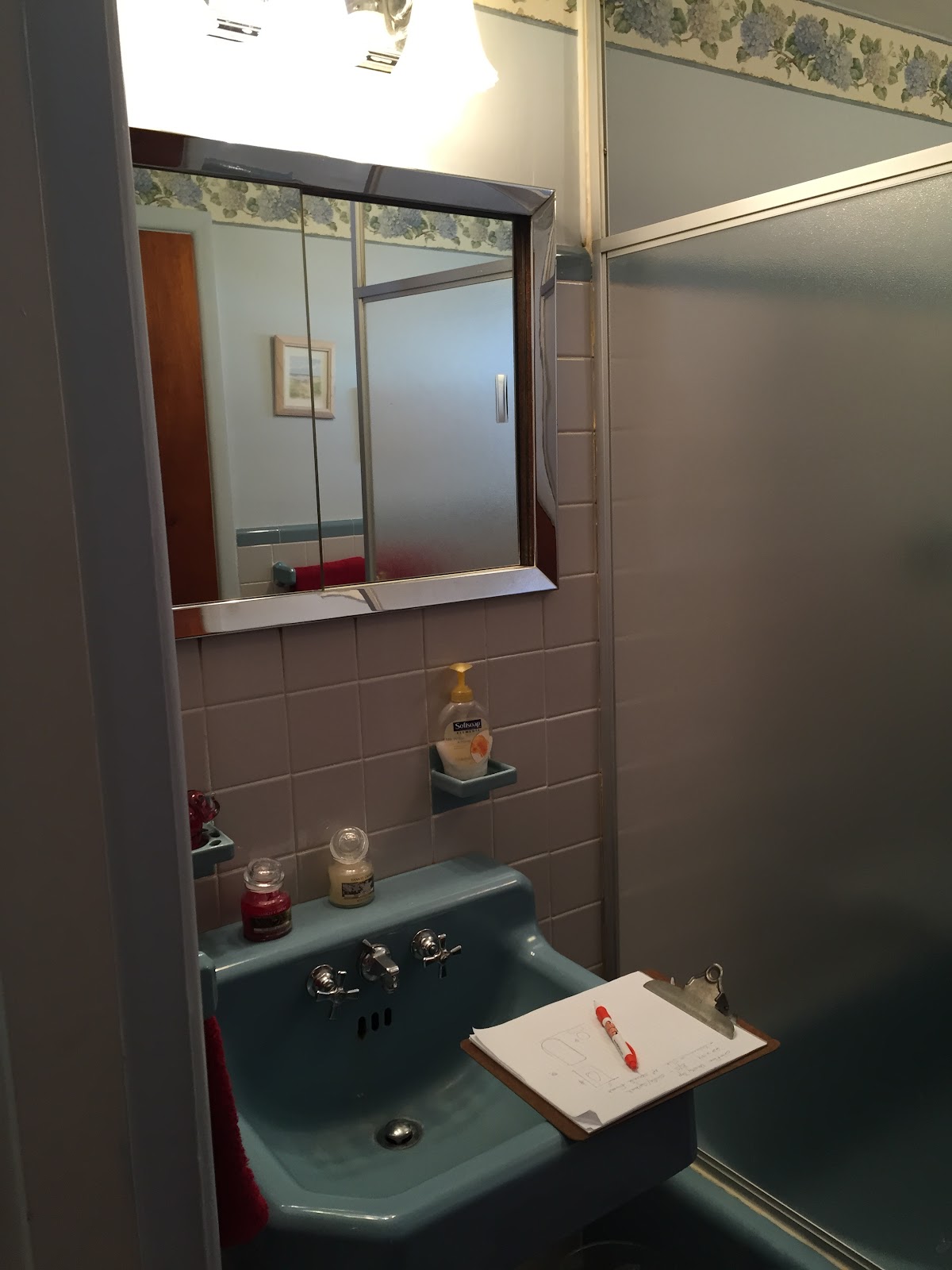
Although the blue and red color scheme was charming, Pete and Michele went with a more modern look for their renovation.
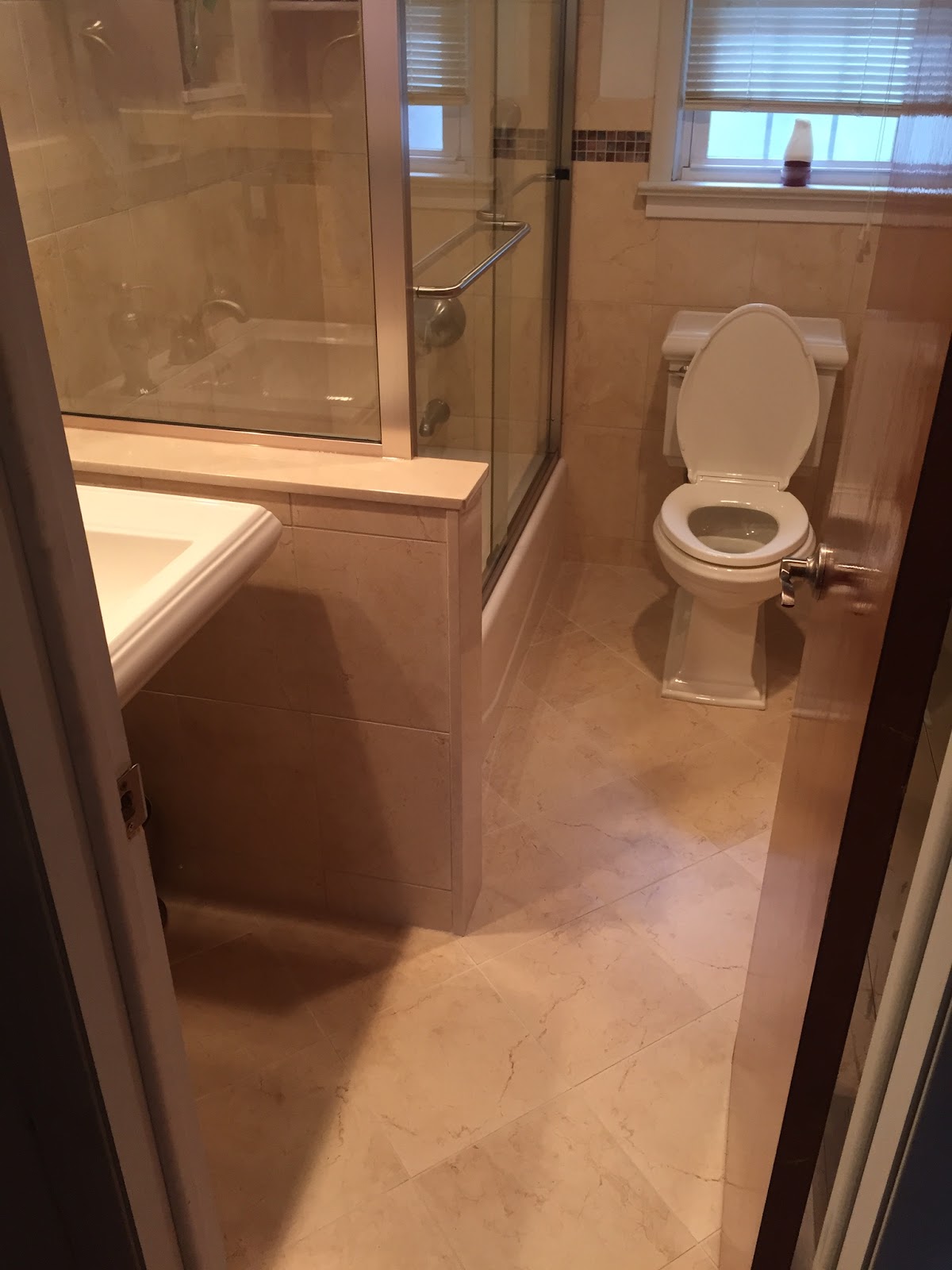
We installed new tile…
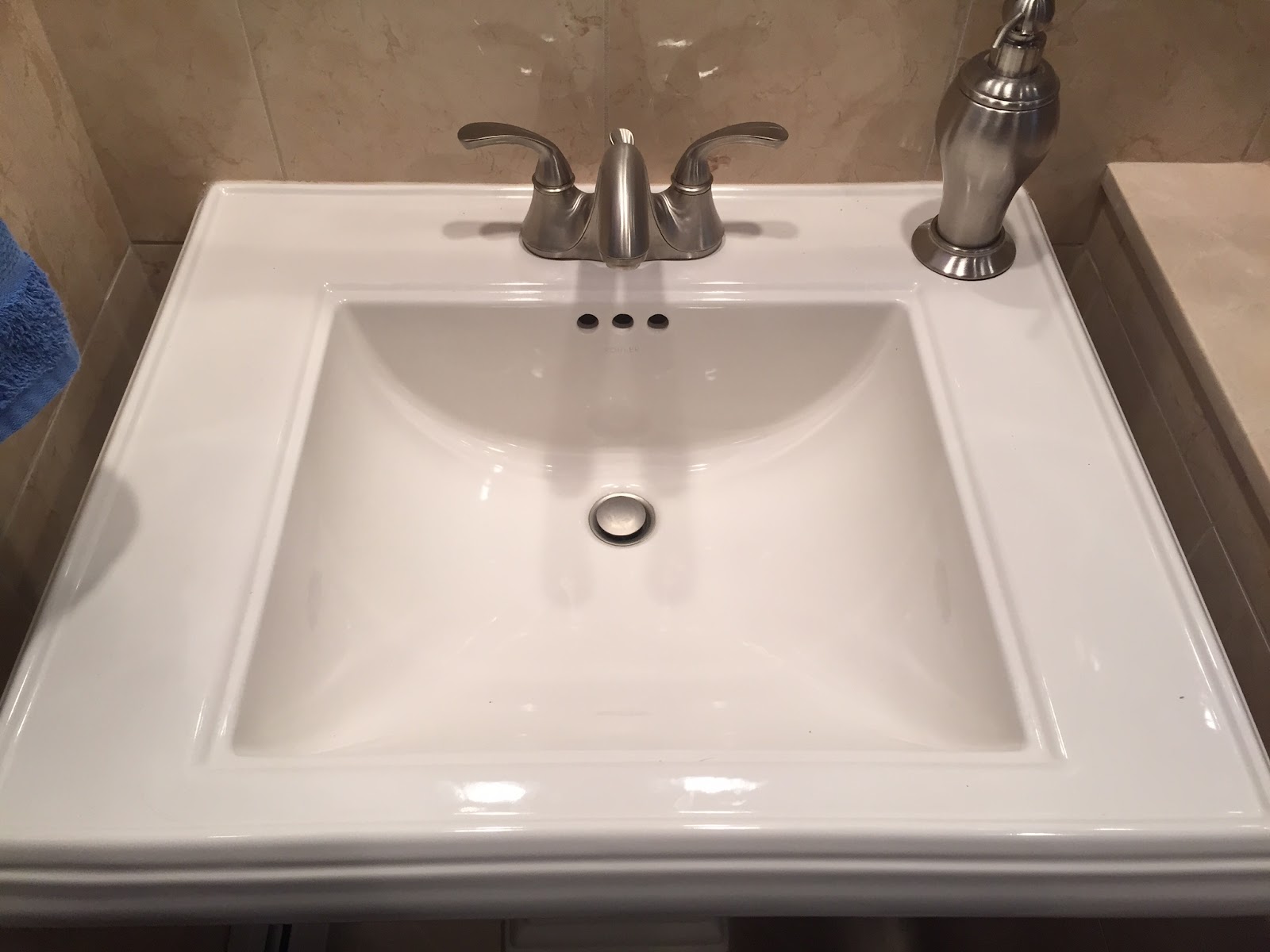
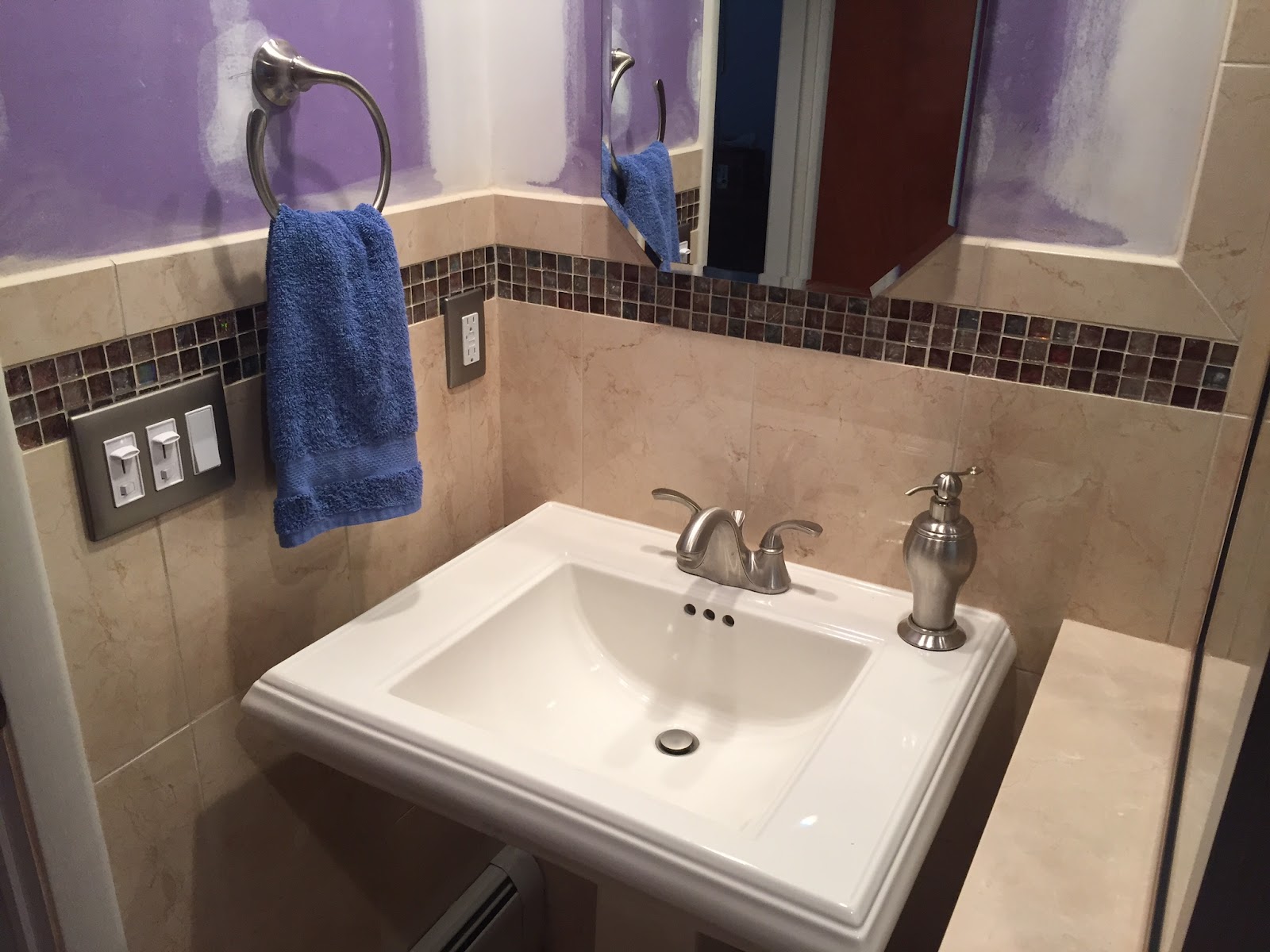
a brand new sink…
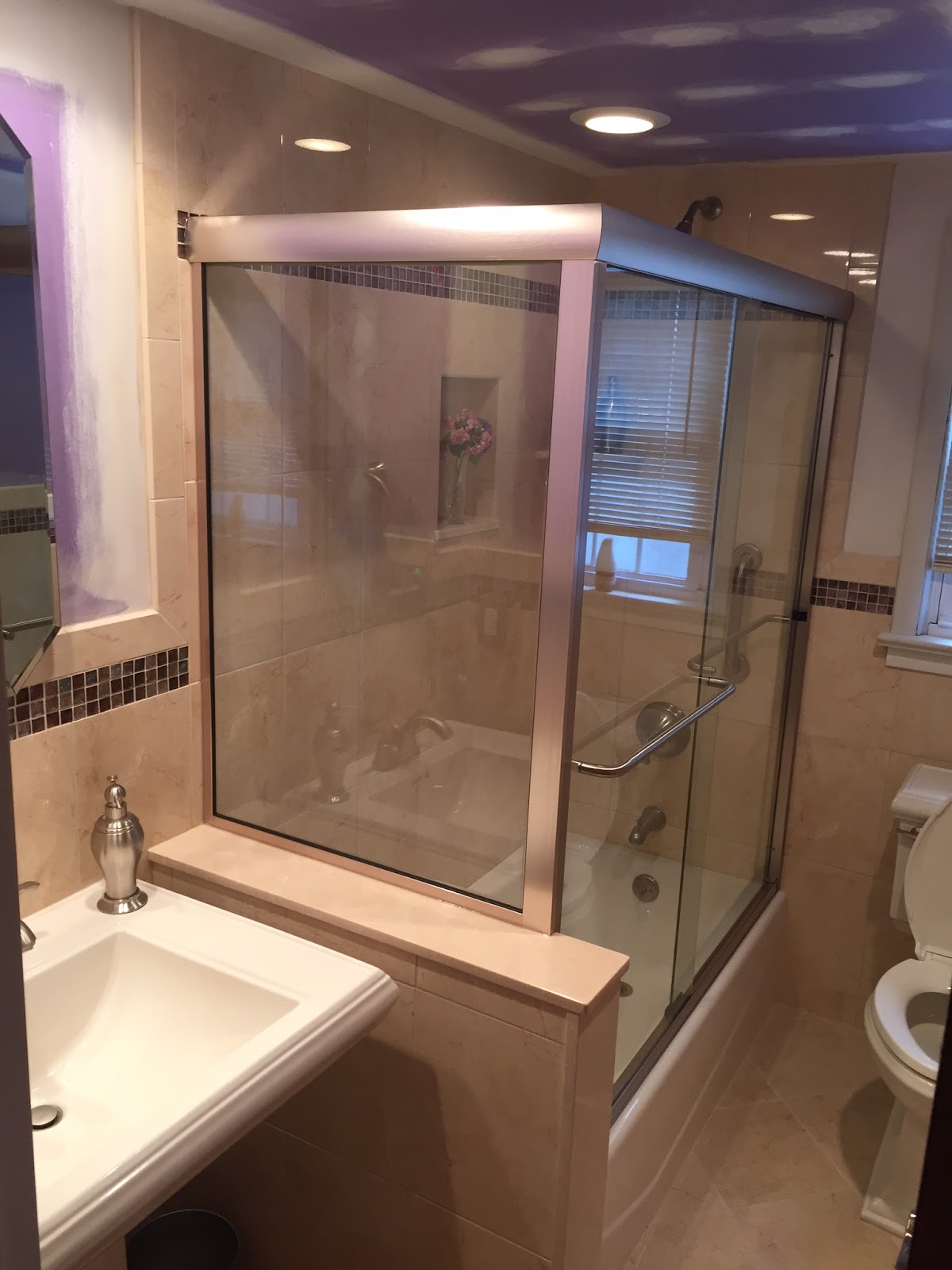
full glass shower…
and toilet…
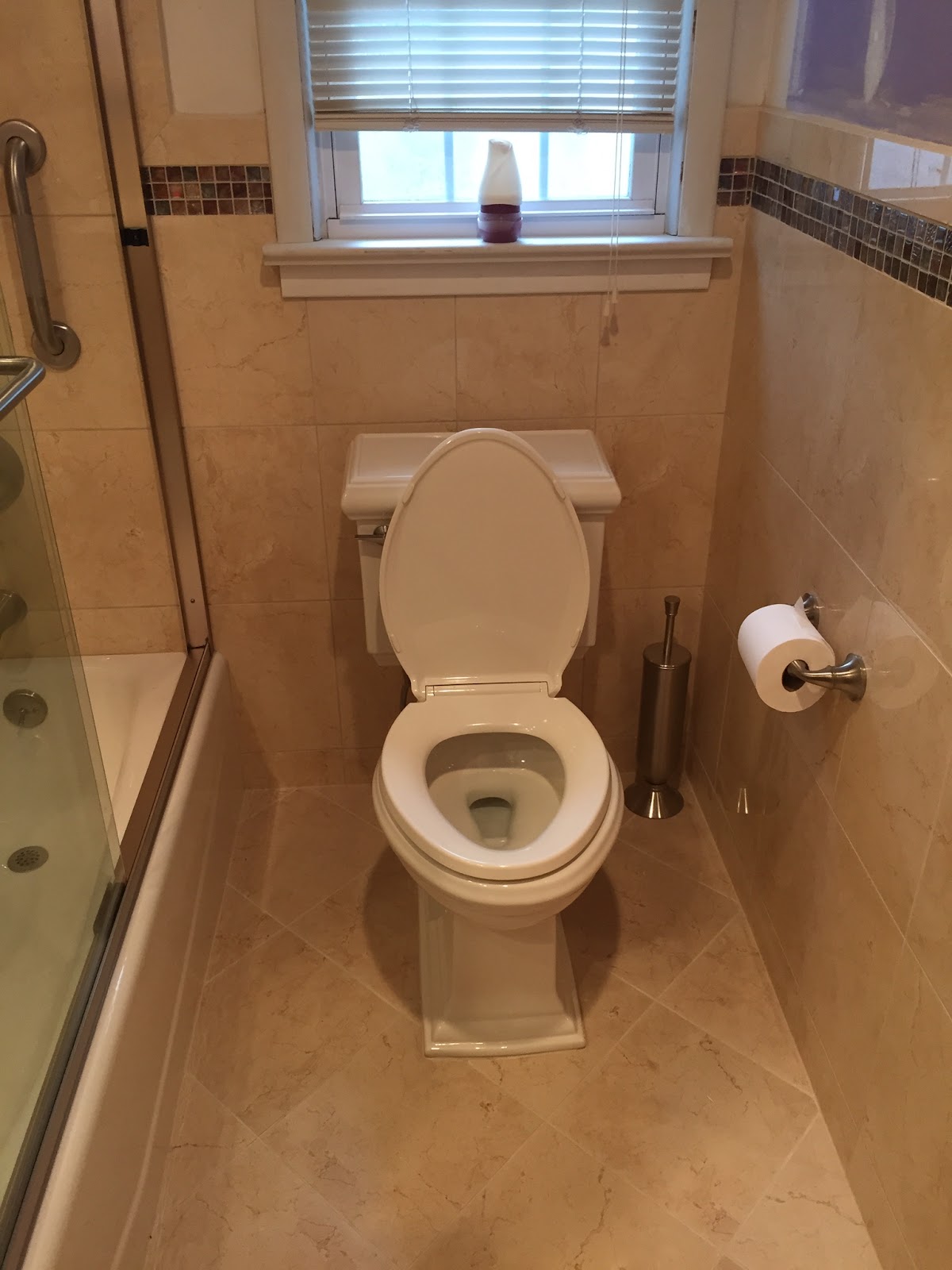
for a finished product that made both the staff at RWC and our clients proud!
Our goal was to make everyone involved jump for joy, and I believe we accomplished that tenfold.
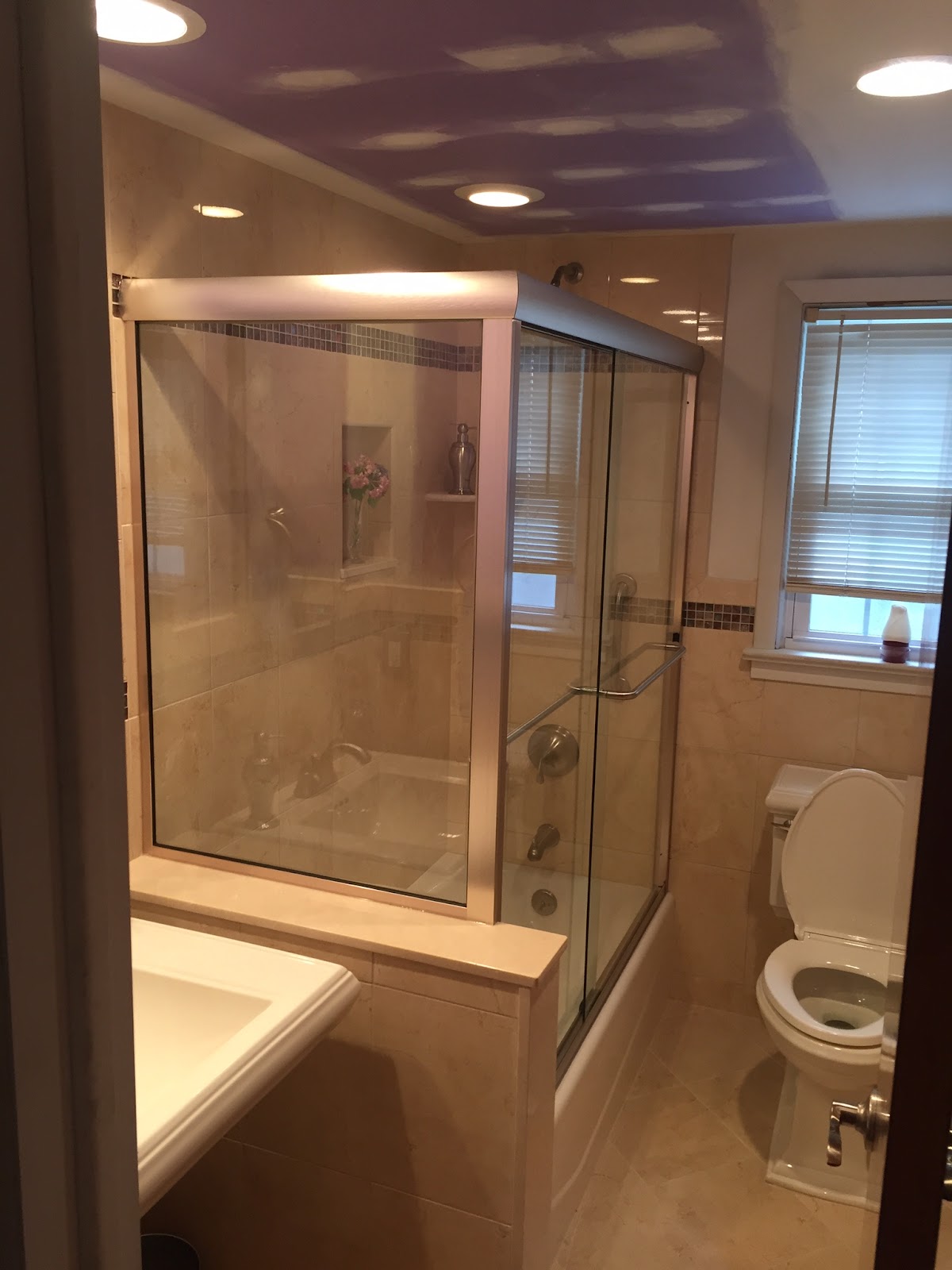
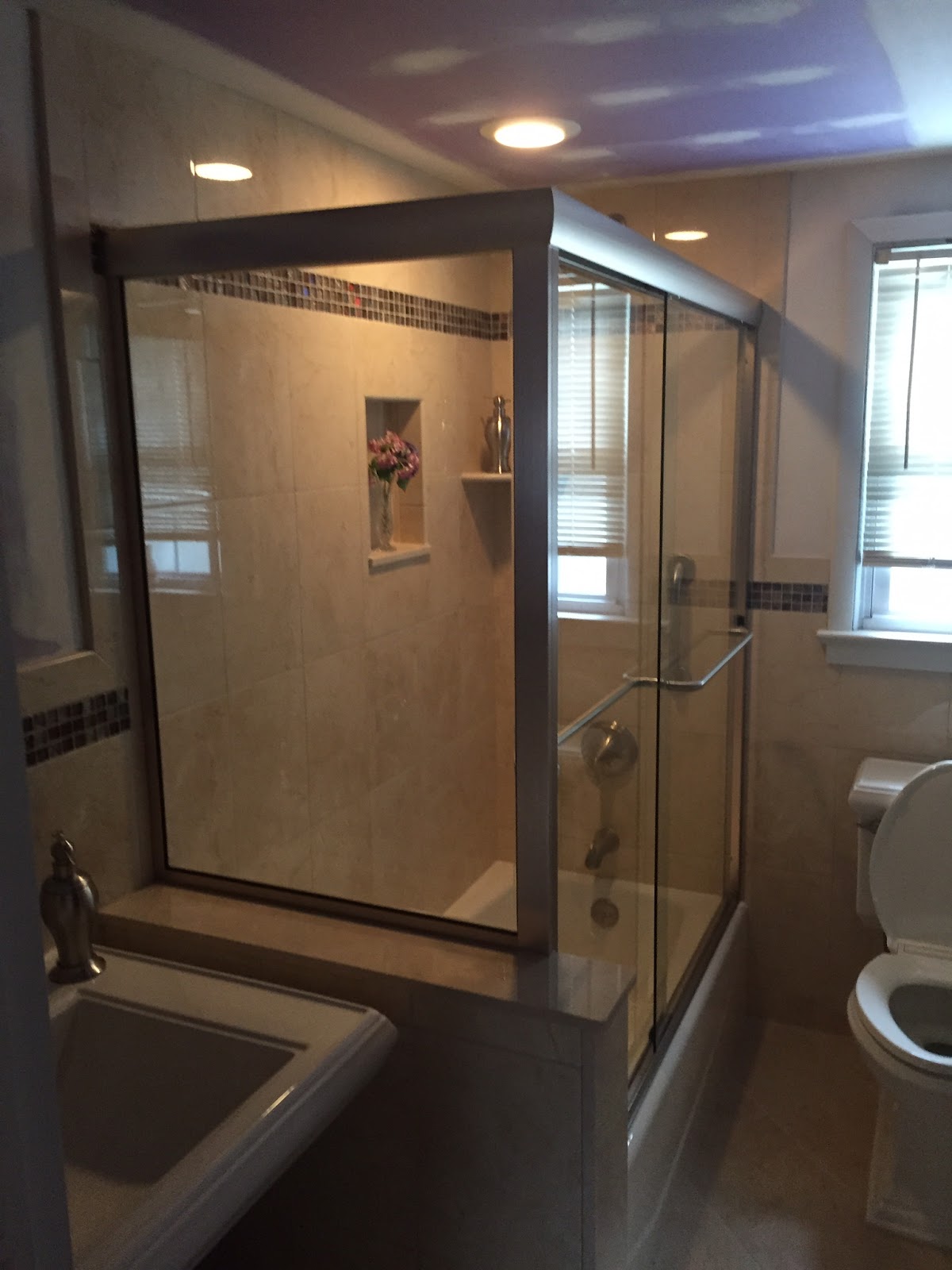
If this post left you craving the “WOW factor”, give us a call at 973-227-7123! RWC has been relieving home improvement stress since 1959. You can trust our experts to educate you and treat you like they would their own family.
Stop in our full showroom for a free consultation today. No pressure; no hard sales tactics. RWC is the ultimate in kitchen, bath and home renovation!
What to Consider With Kitchen Renovation Design
Today’s kitchen is not what it used to be. Just a few decades ago, a time existed when the kitchen was a private area. The only person in the kitchen was the homemaker. The rooms were small, cramped, and often unsightly.
Today’s kitchen is much different. It is the heart of the home. It is a multifaceted room that serves as your office, your children’s art display, and even a place to keep muddy shoes from getting all over the carpet. Needless to say, people go in and out of the kitchen all day long.
Even if this doesn’t sound like you or how you use your kitchen, how you use your kitchen is one of the primary things you need to consider when you remodel your kitchen. However, the first thing to consider is why. Why do you want to remodel your kitchen? Is it a space issue? Are the cupboards falling apart or the linoleum wearing through? Do you want to update your appliances? Whatever the reason, remodeling your kitchen is one of the best investments you can make in a home. Plus it’s just fun to make food when everything is brand new, isn’t it?
What do you need to consider (other than the why) in the planning stages? Size matters here, especially if you plan on replacing your appliances like stoves, ovens, or refrigerators. You need precise measurements, and if you’re going all out and getting things like a farmer’s sink, the measurements need to be exact to 1/8 of an inch. You need to ask yourself other questions, too. What kind of stove are you planning on—countertop or standalone? Is the oven going to be part of the stove or will you mount one in the wall? Are you planning on replacing the refrigerator? Make sure you have the room to open all the doors.
Another consideration might be who uses the kitchen. Do you need to make it kid-friendly or toddler-proof? Do you have teenagers? How about you? What are your habits? Do you need more counter space or room for more appliances? How about a bar? Plenty of people entertain friends in the kitchen, late at night over a game of cards.
Kitchens don’t have to fit conventional molds. If anything, this is your chance to make some neat spaces in the kitchen, like shelves on rollers that pull out so you don’t have to squat just to get a pot. Or better yet, use a pot rack! This is your chance to use space that you didn’t even know you could use the like inside doors of your cabinets. One of the most typical complaints is people running out of storage space. Here’s an idea ~ don’t store your beautiful serving dishes. Save the cupboards for cookware and leave the dishes out in the open. This creates an inviting space just asking to be used. Utilize your blank wall space in your kitchen by installing shelves.
Remember to pay attention to detail. There are things you can do to really make your kitchen pop. The right backsplash, plenty of lighting, and stainless steel appliances can make a difference. It’s the little things that matter. While you can get a builder-grade kitchen, nothing says, “I put effort into this,” like a bit of customization and luxuries. We’re talking about a sink that is just a bit deeper, or utilizing corner space with a lazy susan. Contrast white cabinetry with a dark or neutral floor and countertop.
With all these ideas of what you can or should do with your kitchen, take some time to consider what you shouldn’t do. DO plan accordingly. This means that unless it’s really in the budget, most people do not need a six burner gas stove. One of the great money-saving ideas is to avoid buying any new appliances—these can always be upgraded later. Don’t obsess over name brands when it comes to appliances. Don’t buy a super expensive refrigerator and a super cheap stove. DO plan for lighting. Poor lighting can ruin any kitchen renovation. DO remember that countertops and flooring contain essential design elements. Skipping over these two can place severe limits on the rest of the kitchen. DON’T use cheap cabinetry. You don’t need to spend $1000 per cabinet but plan your budget out so you can have beautiful cabinets in your kitchen.
Remember the simple debt rule – If you can’t afford it, don’t buy it. Wait if you have to, but don’t waste your money on flimsy cabinets or subpar building materials and don’t skip design elements like flooring.
All these considerations belong in the planning stages of your kitchen remodel. Before construction starts and before any materials are purchased, plans can be changed on the fly at no cost to you. If you’re not sure how to get the best return on your investment, consider hiring an interior designer. Make sure your plan is about you. Once you have a plan with parts ordered and demolition starting, it can be costly to change your mind. At RWC, we don’t just give you renovation ideas. We seek to educate you on one the finer points of home renovations so that you can have a place you’re proud to call home.
To make the most of your kitchen renovation, contact us at (973) 227-7123 today!
6 Reasons Why using RWC is Better than DIY
Although the temptation to take on a home improvement project by oneself is tempting, it is not always the best idea. Often it is better to hire a professional, such as those at RWC, rather than tackle an overwhelming do-it-yourself project. Keep reading to learn about why hiring RWC is the better choice.
1. Using RWC saves time
Even a simple DIY project can become problematic for a DIYer. For example, the effect of seemingly simple choices regarding the project can have huge and impactful consequences on the entire project. The professionals at RWC know the best decisions to make for any situations that arise. We can quickly assess any situation and take the most appropriate actions. There is no need for us to think and rethink every decision since our knowledge points us in the right direction. Plus, our designers and other professional have access to the most current technological advances that enable us to complete the job in a more timely fashion.
2. RWC brings expertise to the job
RWC’s professional home designers have lots of experience in redesigning people’s homes. One of the major functions we perform is to interpret and understand the needs of our clients and to create the perfect design plans to meet our clients’ needs. We have a wide variety of resources that DIYers do not have access to. So, the process can move much more smoothly, and the finished product will look more polished when we take on a task. Further, we complete jobs within a defined budget. We also know how to deal with legal and technical issues that come up such as working with a municipality and acquiring the proper permits, working with the necessary surveyors, hiring contractors and subcontractors, and managing the entire project to make sure everything goes as planned. These tasks take lots of hours of research and planning to be accomplished well. Most homeowners do not have enough time to complete the tasks adequately since they are also trying to juggle their own jobs and family life as well. They are also often met with resistance from municipalities and workers along the way.
3. Hiring RWC can save homeowners money
Many homeowners decide to take on major home renovation projects as a way to save money. However, this idea is flawed. Often taking on a home improvement project can end up costing the average homeowner much more money than he or she originally planned and more than if RWC had been hired in the first place. Often supply stores and subcontractors offer discounts to home design professionals. Homeowners can feel the effects of these discounts in the final price that is paid for their work. On the contrary, homeowners are required to pay full-price for supplies when they do the shopping themselves, and even small increases in cost can add up quickly.
4. RWC knows the industry
The work that needs to be done during a home improvement project is often communicated in industry-specific terms. There are also a lot of blueprints and other types of drawings and schematics. The everyday homeowner who is not familiar with industry terms and drawings will have a have a hard time understanding the technical nature of the job, which can lead to the project taking more time and costing more money than was originally planned, not to mention it is much easier for a DIYer to make mistakes because of their lack of knowledge. The professionals at RWC are well-versed in every aspect of home improvement and know how to talk with contractors and workers on a technical level. We are also experts at reading and interpreting blueprints. So the likelihood of mistakes being made is greatly reduced.
5. RWC acts as an advocate for our clients
Home improvement DIYers often run into issues with contractors. It is difficult for DIYers to advocate for themselves when they do not have the same level of knowledge and expertise than a contractor does. On the other hand, homeowners who hire RWC have a built-in advocate. We can take control of a situation and act in the best interest of the homeowner. Contractors have a much easier time working with and taking direction from a home improvement professional rather than a DIY homeowner.
6. RWC has access to other qualified industry professionals
At RWC, we have many opportunities to work with other industry professionals. This is a boon for our clients when issues arise that require other workers. We have easy access to professionals ranging from structural engineers to painters. So whatever needs a home improvement project has, we can easily find another qualified professional to fit the job.
Even though it may seem like taking on a home improvement project on your own would be a good idea, it is always better to rely on the knowledge and expertise of a professional. Hiring a home improvement professional, like your friends at RWC, can save you time, money, and a lot of frustration.
Contact RWC today to see how we can help you with your next home improvement project!
5 Lighting Tips for Modern Bathroom Decor
Lighting is one of the most important elements of a bathroom. Without adequate lighting, it can be difficult for home dwellers to get the most optimal use out of the space. It is important for lighting to go beyond being functional. The right lighting can provide both the proper mood as well as a modern and updated look. Keep reading to learn how to make the most out of lighting in a modern bathroom.
When thinking about adding lighting to the bathroom, do not limit yourself to ceiling lights. One great way to add light in the lavatory is to install lights that flank the mirror. Ceiling lights provide ambient light, but a bath bar or vanity light on the side of the mirror provides great light, especially for morning routine activities such as brushing teeth, flossing, applying makeup, and shaving. Side lighting is ideal because it reduces shadows while providing adequate lighting for detailed tasks.
Use natural daylight as a guide
Generally, we look our best in natural light. Sunlight has a way of bringing out the true color tone of the face, and naturally highlights makeup. Mimicking this idea in the bathroom is a great idea, as it will provide you with a good idea of how you will appear after you walk out the door. The first step in achieving this look is to choose white shades for the fixtures. Keep in mind that white does not need to be boring; they can be clear or frosted, or any other incarnation of a white shade. The bulb choice is also important for achieving a natural light look.
-
If you are using incandescent lights, they should be either warm or cool white or have a color temperature of 2700K and 3000K.
-
If you are using compact fluorescent bulbs (CFLs), make sure their Color Rendering Index (CRI) is at least 90. This measurement will assure they are displaying color, in the same way natural light does. The color temperature of the CFL should also be between 2700K and 3000K.
-
If you are using light emitting diode lights (LEDs,) you need to pay close attention to their brightness, as you do not want to choose a bulb that is too bright. As with the other types of bulbs, the color temperature should be between 2700K and 3000K and have a CRI of at least 90.
Layer the lighting
Ideally, the lighting in the bathroom needs to adjustable, so it provides the right amount of light whether you are getting ready for work in the morning or taking a relaxing soak in the tub in the evening.
One way to guarantee that there will always be an appropriate level of light is to install a dimmer. Using a dimmer will always give you the power to control exactly how much light is flowing into the area. It used to be that dimmers were only available for incandescent lights. However that is no longer the case. Dimmers can be installed and used even with energy-saving CFLs and LEDs.
Another way to adjust the amount of light in a room is to choose decorative fixtures for the ceiling light. Small chandeliers and semi-flush ceiling lights are both great ways to set the mood in a room.
Light fixtures can often be overlooked. In fact, many people just continue to use whatever the previous owner of a house had installed. Even homeowners who designed a bathroom from scratch do not generally change their light fixtures. The result ends up being a dated look that is still present long after the fashion has gone out of style. Simply updating the lighting fixtures can give new life to a tired-looking bathroom. Changing out light sconces is an easy and affordable change that can make a big difference. In the past, sconces could only be found in ultra-traditional styles. That is no longer the case. Sconces have become more sleek and modernized. Many sconces are available in modern styles such as blown glass or stainless steel designs that fit with most modern decors. Another great fixture choice for a modern bathroom is pendant lighting. These lights give a soft, updated look to any bathroom.
The right lighting choice can set the entire mood for a room. It can turn a simple bathroom into a relaxing spa. Consider placing some dramatic lighting over the bathtub. A small antique chandelier can turn an ordinary bathtub into a haven to escape to at the end of a stressful day.
The bathroom is one of the most-used rooms in a home. It is important that it is adequately lit for both utilization and style. Take some time to consider how the bathroom should be lit as well as how you want the finished project to look.
If you need advice on how to add modern lighting to your bathroom, contact RWC, our friendly and qualified staff can help give you the modern bathroom of your dreams.
How to Choose the Perfect Windows for your Home
Windows are an important feature of any home. Not only do they provide a clear view of the outdoors from the inside, they add beauty and functionality as well. Choosing the right windows can be the difference between having a home that looks plain and boring and having a home that is the envy of the neighborhood. Keep reading to find out about some unique and interesting window ideas for your home.
Anyone entering a home notices the entryway first. So, it provides the first impression for everyone who walks through the door. Having windows along the top and sides of a door gives a polished yet welcoming look to the area. Having windows in the entryway also provides lighting, views, and architectural character. Other benefits of having an entryway full of windows are that it adds drama to the area as well as providing a transition from the exterior of the house to the interior of the home.
Bay windows can add a dramatic effect to a home. They can open up a room and give the illusion of extra space. They let in lots of natural light while providing stunning views at the same time. They are also ideal for providing ventilation to the inside since they can open up in different directions to create a soothing cross-breeze. Bay windows also provide the opportunity to have cozy window seats and extra storage space.
Dormer windows are a great addition to houses that features an extensive block of roofing. Their design can break up the large blocks of roofing to add symmetry and balance to the house. Dormer windows can also bring attention to certain areas of the façade as well as add height and light to the interior of the home. Since there is more headspace in the interior of the home, it makes movement within the home easier. Dormer windows also provide interior ventilation, which is particularly beneficial for homes that do not have air conditioning. Dormer windows also come in a wide variety of shapes, sizes, and styles making it easy to create a unique appearance to the home.
Skylights and other types of high windows are a great addition to a home because they add a significant amount of natural light without taking up lots of wall space or hindering the privacy of those who live in the home. Since so much natural light can be brought in, these lights can help the homeowner save money on electricity costs since there is less need for artificial light usage. Skylights are also a great medium for showing off the striking pitch of a ceiling. They can also highlight a beautiful outdoor area that surrounds a home and bring those who dwell in the home closer to nature. Skylights that can be opened can provide an extreme amount of ventilation as well.
Having an entire wall filled with windows can create an interesting and dramatic effect in any room in the house. Ceiling to floor windows will not only provide exquisite views it will fill the room with bright light. The light that streams in from window walls helps to reduce stress, depression, and pain. Window walls also make the room open and airy while providing a connection to the outdoors. The combination of trimwork and glass creates a unique look that combines traditional designs with modern touches.
Adding stained glass to a window is a creative and unique way to bring character and color into a room. One of the best features of a stained glass window is that it allows in light without the homeowner needing to sacrifice privacy.
Installing energy-efficient windows in the home is a great cost-saving investment because they can greatly decrease utility costs. Energy-efficient windows come in a variety of shapes, sizes, and styles so they can go just about any place in the home. They help to create a more comfortable internal temperature of the home, and there is even a special coating on these windows that prevents the harmful rays of the sun from penetrating them and ruining items inside the house. Further, these windows are not difficult to find. They are available from all of the major window manufacturers and can easily be found anyplace windows are sold.
Windows are a necessity for a home but that does not mean they need to be plain and boring. There are many ways windows can enhance both the exterior and interior of a home. If you are looking to add some personality and character to your home with new windows, RWC can help you. We have a wide variety of windows to choose from, and we provide full-service installation.
Contact us today and see how we can help make your house look sensational!
8 Best Ways to Utilize your Kitchen Space
A kitchen can be made or broken by its functionality. Homeowners who do not make good use of the space they have in the kitchen are doomed to be frustrated by it every day. Read below to discover some great ways to make the most of your kitchen space, regardless of its size.
The corners in a kitchen can easily become wasted space. Corners can also provide solutions for creating usable space. Some ways to make corners work for you include:
-
Corner sinks are great ideas, especially in smaller kitchens. Corner sinks free up counter space while improving the aesthetics of the whole room.
-
A corner range can help save space.
-
Installing floating shelves can create extra storage space.
-
Creating a corner pantry can turn a previously unused corner into a space that is used every day.
-
Creating a corner eating area can freshen up an unused corner.
-
Corners are also great places to add some odd-shaped storage options. There are several cabinets that are specifically designed for corner spaces.
Don’t discount using the ceiling to create space in a kitchen. Hanging a pot rack can open up lots of cabinet space that can be used for other items. Hanging a pot rack will put your most-used pots and pans where they are easily accessible, which will save time as well as space. Also, using a pot rack will make it easy to see the cooking vessels, so it is easy to find just the right tool for whatever job needs to be done.
One of the biggest complaints people have about their kitchens is a lack of storage space. Solve that issue by not storing serving pieces. Save the cabinet space for cookware, bakeware, and items that need to be stowed away. But, keep your beautiful serving pieces out in the open where they can be enjoyed by everyone. Cookbooks can be displayed as well. Also, add a few green plants to the area to add some color and visual interest.
4. Use the inside doors of cabinets
Part of utilizing the space in a kitchen in the best possible way is to think outside the box. The inside of a cabinet door can provide the backdrop for many helpful tricks to better utilize kitchen space.
-
Attach a corkboard or magnetic board to the inside of a cabinet to create a place to hang messages or grocery lists.
-
Attach a few wooden strips with some hooks to store measuring cups.
-
Attach a chalkboard for writing reminders, measuring equivalents, or even recipes.
-
Attach a pegboard to hang kitchen utensils or pots and pans.
5. Install rolling shelves
The backs of cabinets can be scary places where kitchen paraphernalia of all kinds go to get lost. Installing some simple rolling shelves can solve that problem. Rolling shelves are easy to find at big box stores and are fairly easy to install. This type of shelving is great because they sit on casters that fit into tracks. Since the shelves roll out, even the stuff that is stored way in the back of the cabinet can be brought to the forefront when it is needed.
Walls are another overlooked space in the kitchen. Take a look at spaces that look wasted or unusable. Install some shelves in those spaces and use it to store objects such as glasses or use them to display vases or pretty serving ware. You will beautify the space as well as gain additional cabinet space.
7. Use hooks
It is amazing how helpful hooks can be. Simply installing hooks can create a lot of space that would otherwise be lost. Hooks can house plastic or metal baskets that can be used to hold small but necessary items such as sponges or spices. Cleverly hidden hooks that are placed on the inside of the cabinet beneath the sink can store dishwashing gloves. Larger hooks can be used to hang spoons and spatulas. Hooks are easy to install, too. Some hooks require a small screw to hang it on the wall, but many just adhere to a surface by exposing a sticky strip on its back.
8. Make the island work for you
Islands are great additions to a kitchen. They provide extra counter space, which can be a saving grace in many kitchens. However, islands can do so much more. Islands that include a sink provide an extra water source in the kitchen. Islands can also be used for storing cookbooks or other items that need to be used in the kitchen.
A kitchen that makes good use of its space can be a homeowner’s dream.
If you are in the West Caldwell, New Jersey area and need help making optimal use of your kitchen space, contact RWC to find out how we can help you.