
NJ Permits and Inspections Needed Before Remodeling a Home
This is an update to a blog originally posted in June 2019.
Working with the New Jersey Building Department
Every year, the New Jersey Building Department authorizes new construction for homes. This includes additions to existing structures and updates like extensive electrical and plumbing work and structural changes. If you are remodeling a bathroom or renovating your kitchen, chances are you will need to work with this NJ government department to obtain or arrange for a building code inspection.
The Office of Construction Code handles the following:
- Administering and enforcing the State Uniform Construction Code
- Hosting a centralized location for the issuance of permits and inspections
- Condemning abandoned properties in accordance with N.J.S.A. 40:48-2.3
- Conducting ongoing inspections of elevators, swimming pools, and backflow preventers
- Overseeing the registration of non-state licensed contractors
It’s vital that you partner with a home remodeling contractor that can take care of all NJ building permits and is responsible for ensuring all your project alterations and additions are built to NJ building code standards. A good remodeling contractor will also represent your interests during inspections that will occur both before and after occupancy is permitted.
 How to Fill Out Construction Permit Application NJ
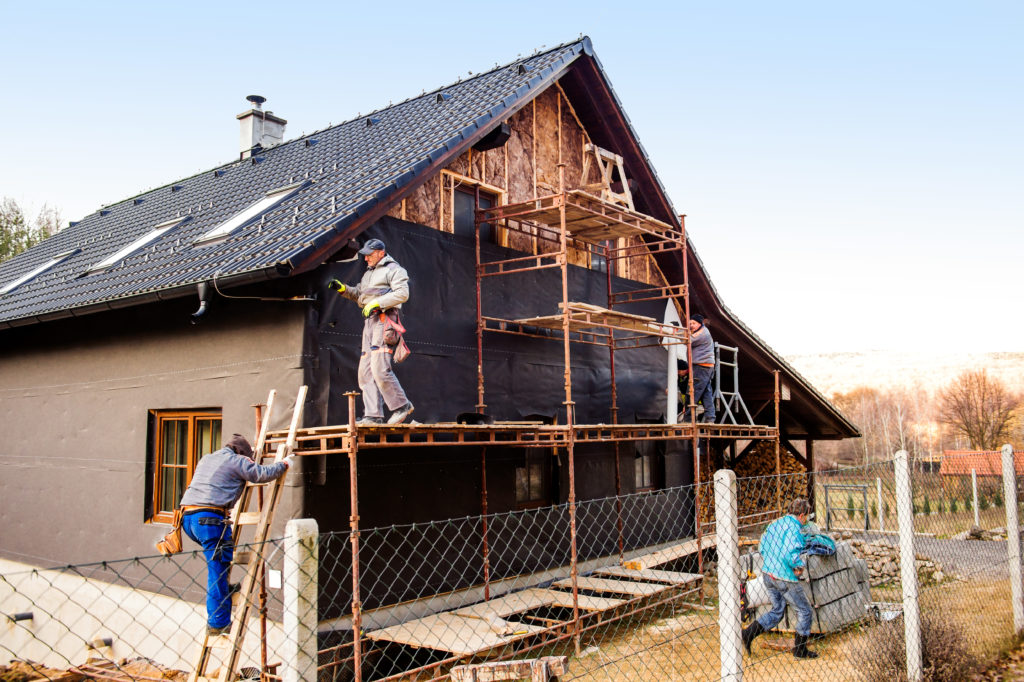
NJ building permit laws require anyone planning to perform major construction (such as a housing addition) to obtain approval before applying for a construction permit. In some cases this means having the following documentation:
- Two sets of building framing plans sealed and prepared by a licensed architect or engineer
- Separate electrical, plumbing, and fire plans with minimum building code requirements
- A prototype floor plan of the new construction model
These must be submitted with your New Jersey construction permit application packet, which can be downloaded and printed. Before you fill out the application, take the time to become familiar with NJ building permit laws and requirements. Not all construction requires a permit such as ordinary" and "minor" jobs -- these can include painting, building siding, window and door installations, plumbing, some electrical work, repairs to a roof, and interior remodelings such as new flooring and painting.
Carefully fill out the construction permit application by describing the characteristics of your building project and all the work that will be done. Pay extra attention to describe any new structures, electrical, plumbing, and cost estimates.
Attach your sealed and certified project plan drawings, any affidavits giving the property owner's consent, and any other documentation that can help describe the scope of your project. Make sure you follow through with state, local, and any county permits that may be required also.
Surviving the NJ Building Inspection
Many homeowners that are tackling major construction projects will have a preliminary NJ building inspection done before finished walls and floors are completed. This should always be done by a New Jersey certified, licensed home inspector. The top 4 areas that are most often the source of failing building inspections include:
- Structural elements like ceilings, roof, walls, windows, door frames, and foundation
- Rooms additions, especially bathrooms and kitchens
- Ground issues in the yard or driveways that cause landscaping drainage issues
- Utility services such as heating, air conditioning, plumbing, electrical, etc.
A home inspection will reveal any problem with the new construction as observed by a trained professional. Depending on the extent of the new work, the examination may include a visual inspection from the roof to the foundation of the new addition. The good thing about this building inspection is that it is designed to find any problems with the construction project that can cause the risk of injury, fire, or damage.
 Take-Aways
- In addition to building permits, New Jersey requires new construction to pass an NJ building inspection
- Carefully fill out the construction permit application by describing the characteristics of your building project
- Partner with a home remodeling contractor that can take care of all NJ building permits
RWC Windows, Doors, and More can provide everything you need for your bathroom and kitchen remodeling projects.
Below was originally posted in June 2019.
There are some home improvements that do not require a permit - and if no building permit is required, then no inspection is needed either. In New Jersey, changes to what qualifies as minor work and ordinary maintenance for both buildings and residential property can be found in this 2018 NJ.gov document. Most changes to your home that do not involve structural modifications, will not increase the electrical load of your home, and there is no rearrangement of piping systems - generally will not require a permit.
When Do You Need a Permit to Work on Your House?
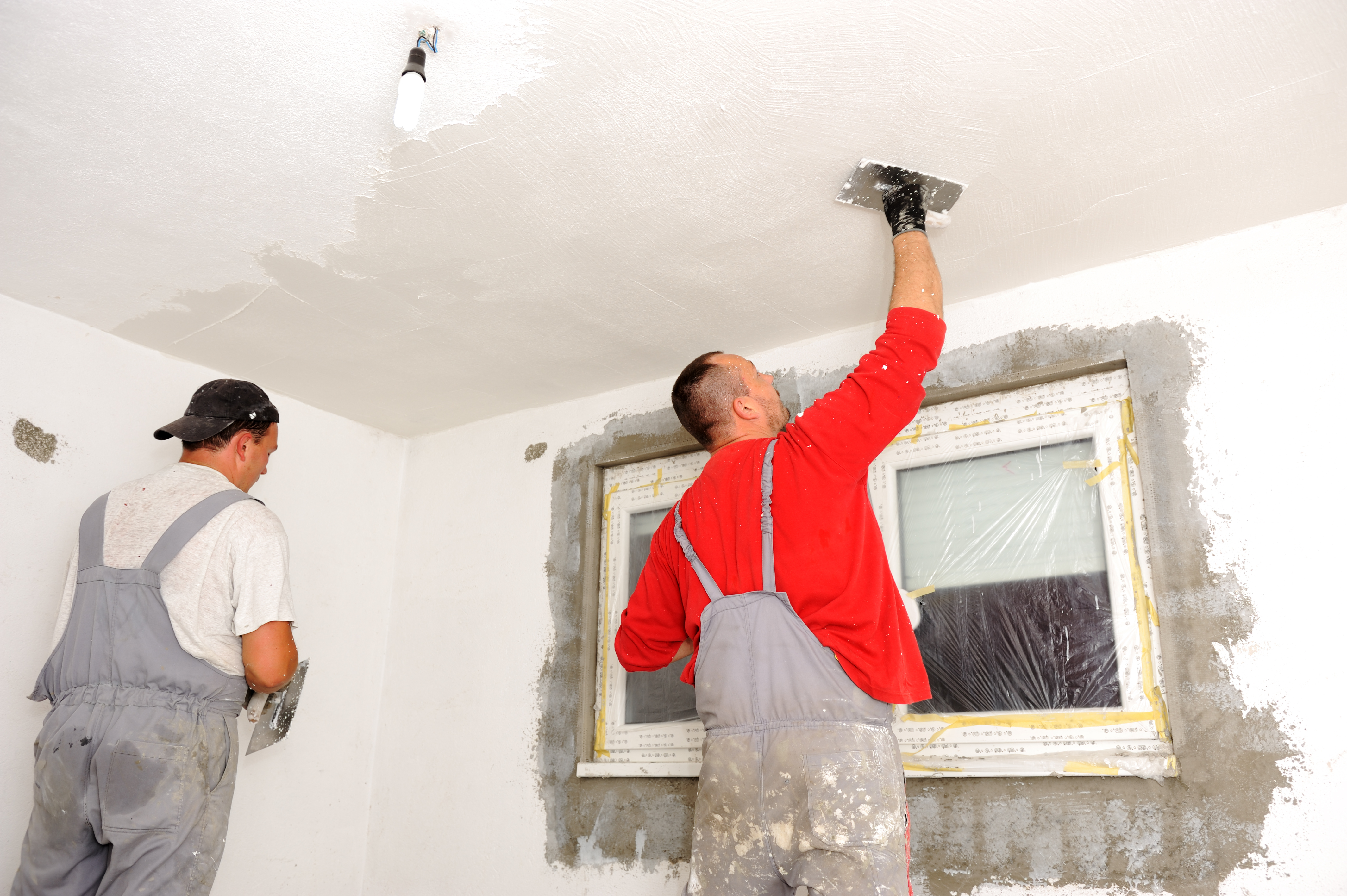
It is your duty as the homeowner to know which home renovations will require a NJ permit and inspection. Your licensed contractor will be very familiar with city ordinances and building codes in your city. If you're completing a DIY home project and are unsure if your city requires a permit, you should contact the New Jersey Office of Construction Codes. This is the agency that issues permits for alterations, additions, new construction, and inspections for both residential and commercial structures.
Here we list some of the renovations that will require a permit and possibly an inspection after work is completed:
- Major renovations to bathrooms, kitchens, basements
- Cutting holes for new windows or doors
- Installing new or removing existing plumbing or electrical service
- Footprint/foundation changes - adding a room, some decks, or a new garage
- Changes to load-bearing walls, balconies and porches
- Replacement of the roof or siding
- Installing an in-ground swimming pool
Do You Need a Permit to Remodel a Bathroom in NJ?
The benefit of working with a full-service kitchen, bath, window, and door design and installation company is they will generally handle all the details pertaining to work permits and inspections for your home remodeling project. If we take a bathroom renovation as an example, you will find it all depends upon the scope of the project and the extent of change to permanent building features that are involved.
These bathroom renovations will require a building permit and inspection:
- Footing and Foundation Inspections - Increasing the square footage of the bathroom when the structural foundation is altered or a load-bearing wall is altered.
- Electrical and Plumbing Rough-in Inspections - After walls are demolished and re-construction along with changes to sanitary, storm and water distribution piping and adding additional electrical circuits to main panel.
- Framing Inspection - if the bathroom is extended beyond the existing framework and must be performed before insulation is added and after electrical and plumbing rough-ins are completed.
- Insulation Inspection - is performed before the walls and ceilings are finished and after the framing work is completed.
- Final Building Inspection - after all building permit items are finished, a final inspection of the completed work may be required - depending on the extent of the project.
If your bathroom remodeling project only includes new interior flooring and wall finishes, replacement of existing bathtub/shower and fixtures, replacing old cabinetry and sinks with modern styles, along with the replacement of existing windows and doors - then no building permit or inspections are likely required.
The listed permits and inspections would also apply when this type of work is performed for a kitchen renovation, remodeling a basement into usable living space, or any room additions and/or expansions.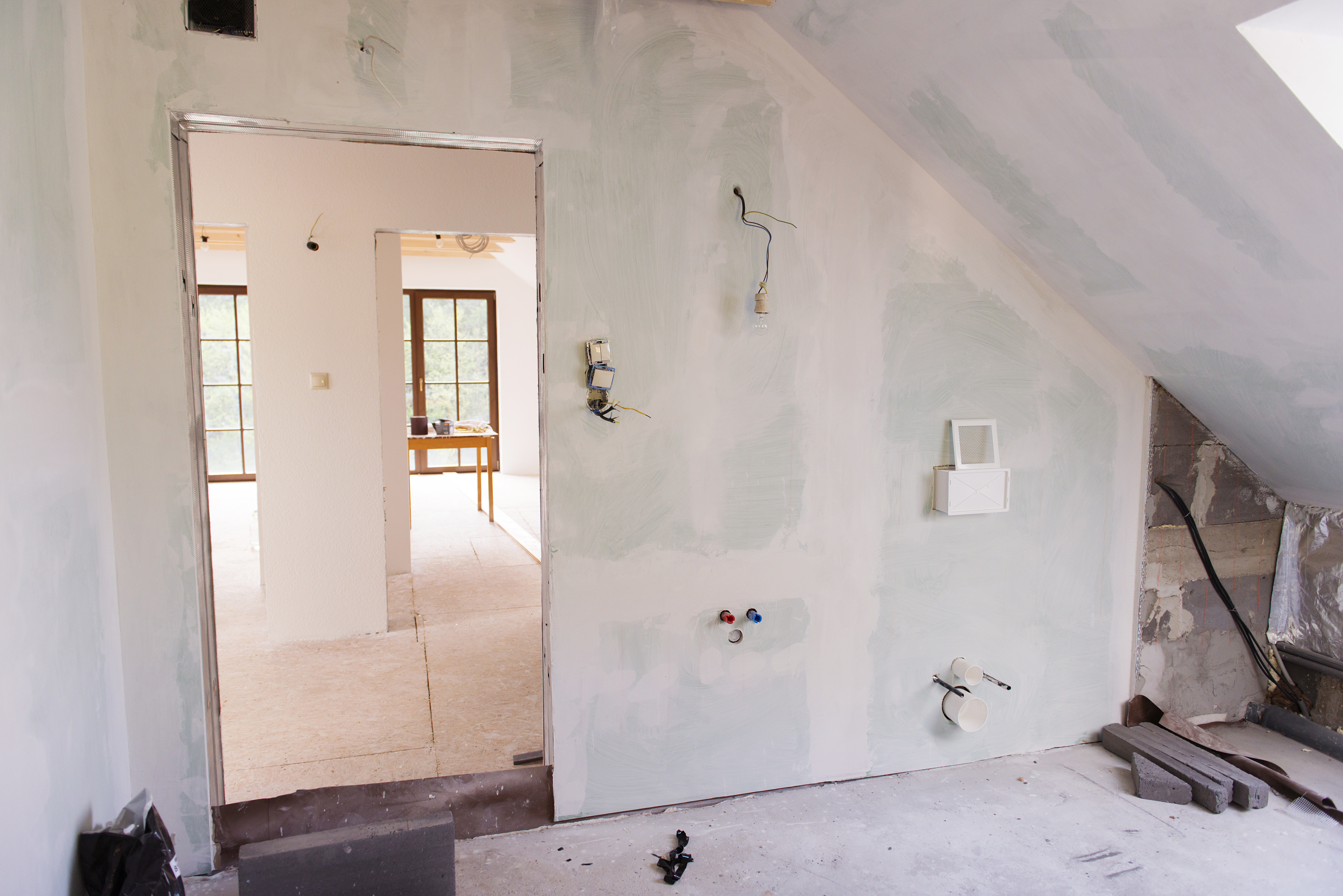
Working Without a Permit Equals Violations in NJ
In New Jersey, homes have been destroyed by electrical fires when shoddy work had been performed without a permit or a building inspection. For each violation found, a homeowner can be fined up to $2000 for each infraction - even if the violations do not pose a safety hazard. Always obtain the proper permits and inspections for your home improvement projects. This way you can avoid potential disaster or hefty fines.
It is ultimately the homeowner's responsibility to obtain the appropriate Uniform Construction Code (UCC) permits to prevent enforcement actions when the violations are uncovered. RWCNJ is licensed and certified to perform permit work in New Jersey and the surrounding communities.

A Contractor’s Guide to Custom Windows
Custom windows and doors can make your house look elegant and inviting. If your home needs new windows and you are less than thrilled with your choices when it comes to prefabricated windows, custom house windows should be considered. You'll have choices when it comes to the materials used to build your windows, and you will get exactly what you want with your custom windows installation.
Pricing Your Custom Windows
How expensive your custom windows are will depend on the materials you choose and whether you use single, double or triple pane windows. The most traditional window materials are wood, aluminum, vinyl and fiberglass, with wood being the most expensive material you can choose. Talk to your custom windows company about the different components of your windows and what design will work best for your home.
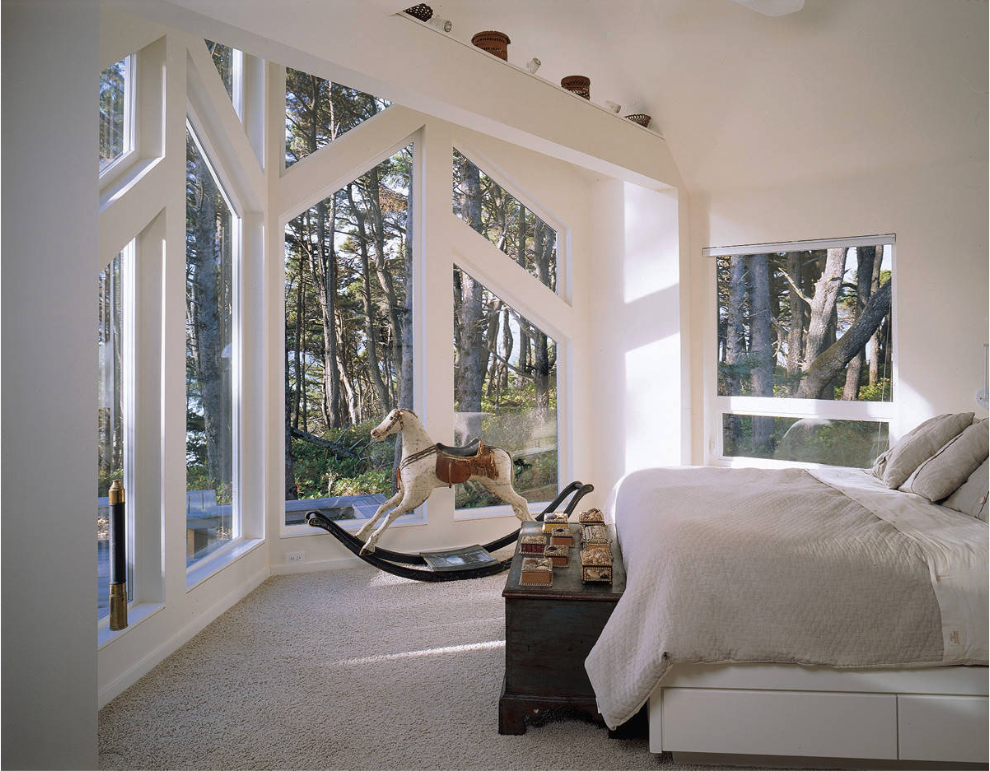
Glass Makes a Difference In Price
When you are considering energy efficient windows, the more panes your windows are, the more insulation there is. The type of glass used is also important, as high performance glass we be more expensive. In general, the more money you spend on your window glass, the more energy efficient your windows will be. You'll save money on energy costs over time, that make up for the additional cost.
Choosing Materials that are Right For Your Home
While wood windows can look amazing, they are expensive and require consistent maintenance. Wood windows will swell and shrink depending on the humidity, and can become warped over time. Wood windows will look great for a short period, but vinyl windows are a better alternative when you are looking for custom house windows that don't require a ton of maintenance.
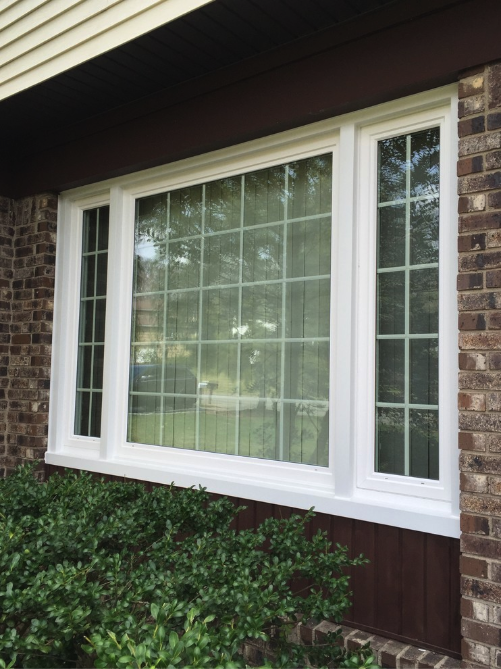
Installation Costs and Construction Work
The cost of installation will have a direct impact on how expensive it is to have a custom windows installation on your home. If the home needs to be renovated to make room for the new windows, you'll spend more money on the installation. If repairs are necessary on the existing window casings, this is factored in to your costs for custom house windows.
Choosing the Elements of Your New Windows
Once you choose your material, such as wood, vinyl, fiberglass, or aluminum, you will then need to decide what grade of glass you want to use. For larger windows, it is recommended to use at least two pane glass to keep your home properly insulated. One pane windows are only recommended for small windows where insulation isn't much of a factor. Talk to your custom windows company about the different elements of your new windows to come up with a final product for your home.
Custom house windows can look great on your home and give you exactly what you want to improve your home. When you go with custom house windows, some advantages are:
- You aren't stuck with prefabricated windows that leave you with minimal design options.
- Choosing exactly what you want for your custom windows
- Budget friendly options are available when it comes to materials
- Energy efficient windows can help you save money on utility costs
Custom windows can give you a great looking home. RWC Windows, Doors & More has been serving homeowners in West Caldwell, NJ and the surrounding area for more than 25 years. To learn more about custom window installation and your home renovation options, it's time to give us a call today to set up an initial consultation at 973-227-7123.
How to Make Sure Your Home is Accessible to Family Members this Holiday Season
Making a home wheelchair accessible means taking a close look at parking and exterior stairs, the home's entryway, kitchen cabinet and table heights, interior access, open space, and a handicap accessible bathroom. This holiday season, you can make sure your home is accessible to all family members by knowing what features are most important for handicap accessible homes.
According to the United States Access Board:
...it is advisable to maximize opportunities for accessibility in alterations. Alteration of multiple elements in a home may provide a cost-effective opportunity to make the entire home fully accessible.
This statement is aimed at helping homeowners understand that it's not enough to simply alter the entrance into the home for wheelchair accessibility but to also consider multiple elements outside and within the home to further assist those in wheelchairs or those that have limited mobility. There are 3 considerations when deciding to alter your home for the holidays:
- Can they get into the house?
- Can they get through the doorways?
- Can they maneuver within the bathroom?
Making a Home Wheelchair Accessible
The first decision to make in creating a home accessible to all family members is to look at the path from curbside to the front door. You will need at least 32" clear to roll a wheelchair from the car and into your home. If all paved surfaces leading to the front door are flat and wide enough to accommodate a wheelchair, then you may only need a small, portable ramp to overcome the home's landing. A ramp is the best temporary solution to make your home handicap accessible for the holidays.
Modifying the Home's Entryway
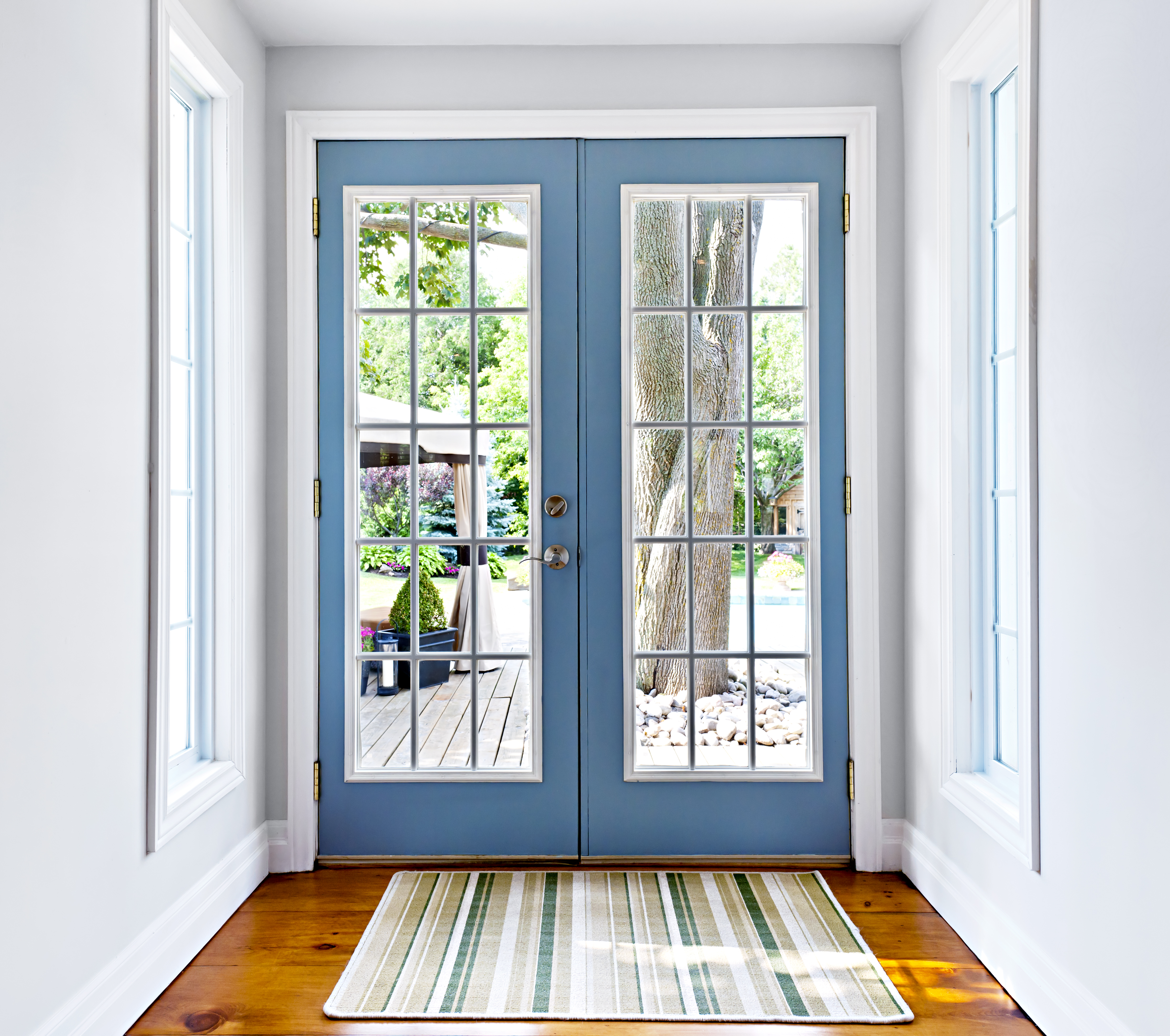
The next consideration to your handicapped guests or family members is determining if your door is wide enough to accommodate modern wheelchairs and electric scooters. This is a good time to partner with a professional window and door replacement service provider to select the right door that will not hamper access. Entrance ways can vary in width from 30", 32", and 36" with the door fully open. But chair sizes vary, so one smart option is to install double 30-inch entry doors to get a 5-foot clear space for all guest to enter.
Another entryway option includes choosing a wider door, such as a 36" or 42" exterior door installation. These wide doors can include decorative glass or stunning sidelights to impart a dramatic beauty and elegance to the home.
 Handicap Accessible Bathroom
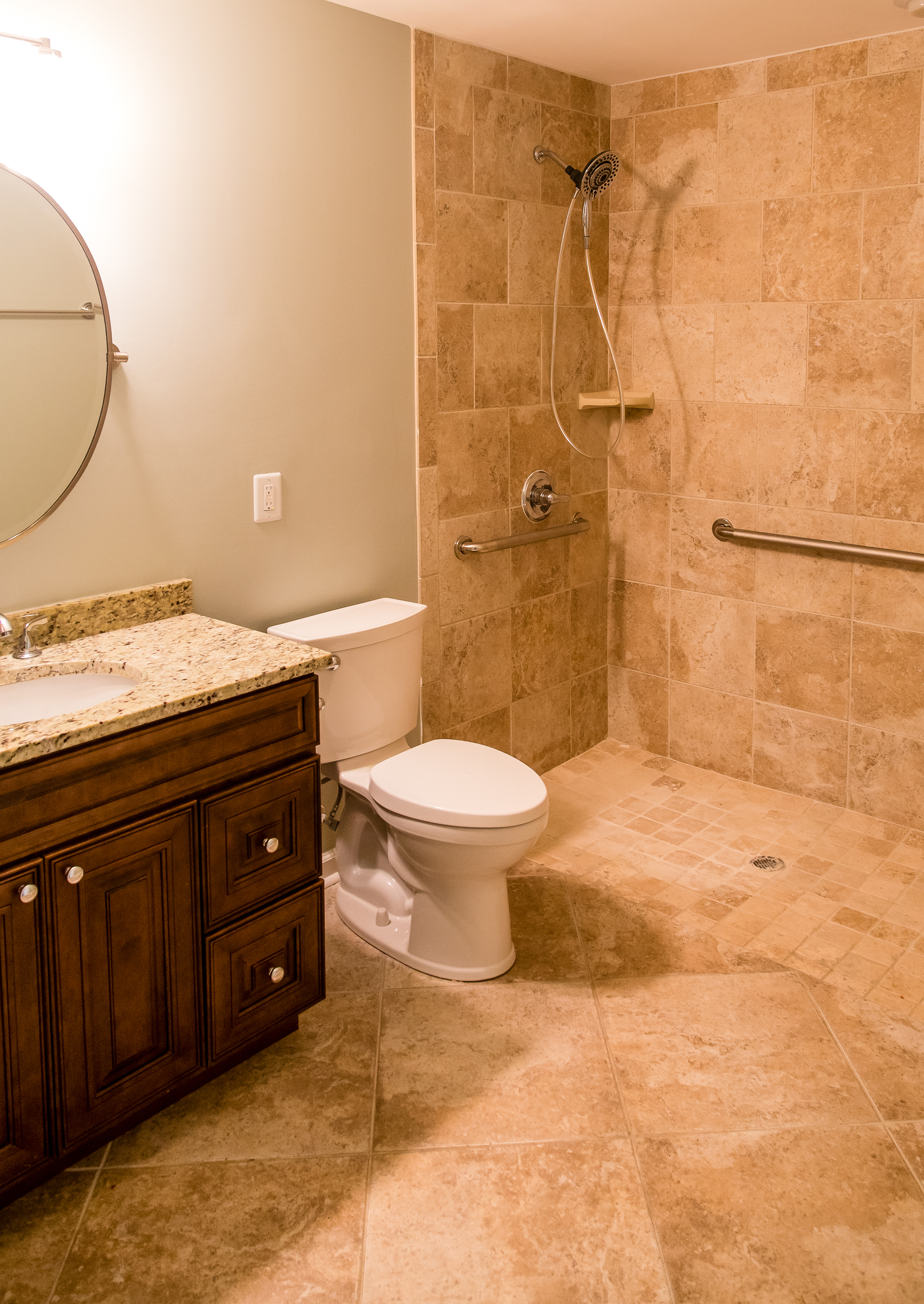
Finally, your handicapped or elderly guests will appreciate a bathroom that is modified to make it easier to maneuver and operate fixtures. A bathroom is considered usable with a wheelchair if it has a 60" diameter circle of clear space. If your bathroom is limited in space, then consider a bathroom remodel which may address the following:
- Replace the existing door with a pocket door to gain open space.
- Remove base cabinets to provide knee space under lavatory.
- Replace the tub with a walk-in shower unit.
- Enlarge bathroom by borrowing space from an adjacent room.
 Takeaways
- Consider a modular, temporary ramp that is easy to install and remove
- Increase your entry door width and curb appeal with double entry door with sidelights.
- You gain more open door space (approx. 2 inches) with pocket doors instead of hinged doors.
- A bathroom remodel can benefit handicapped guests while improving style and function
If you're considering remodeling your home for the holidays, this is the perfect time to create a handicap accessible homes for your guests this season. Contact RWC Windows, Doors, and More for a one-stop solution for remodeling your home's bathroom and kitchen - and installing new doors and windows for the holidays.
Purchasing a Fixer Upper: What You Need to Know
Purchasing a fixer upper has many advantages. Aside from the financial thrill of buying a home at a rock-bottom price, you get to remake the house to fit your personal taste and add the amenities that are important to your family. While a restoration project for a fixer upper may look like an expensive and time-consuming task, consider the cost of building a new home.
According to the National Association of Home Builders, the median cost to construct a new single-family home (sized at 2,467 square feet) was $289,415 in 2015. That's about $103 per square foot. But when you partner with the right remodeling contractor, and take an active part in selecting interior design materials, new appliances, attractive exterior doors and energy-efficient windows - your remodel will be a fun and rewarding experience.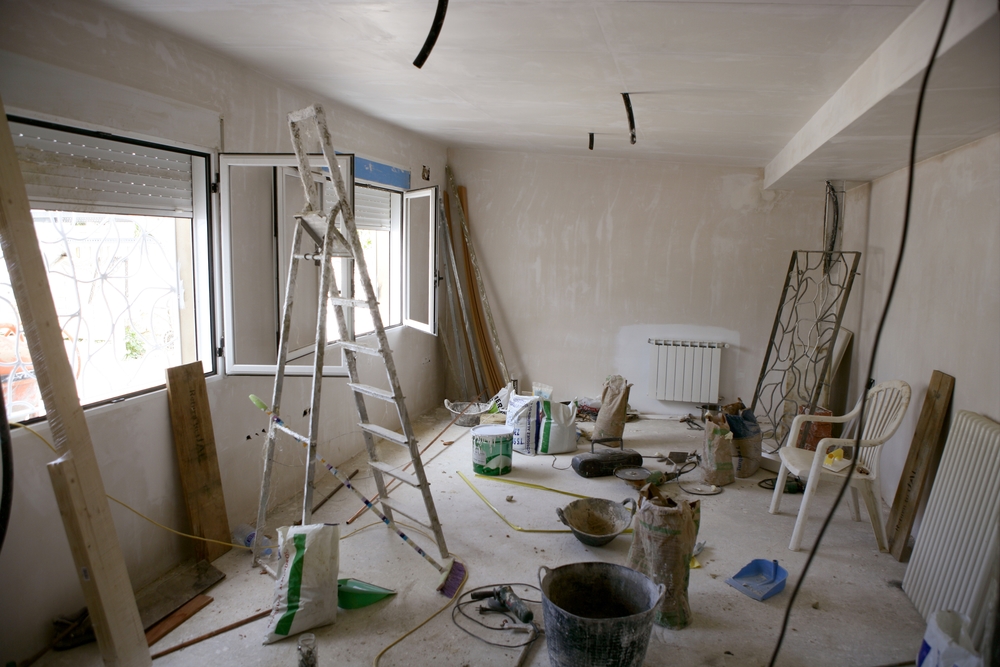
Always Hire a Pro for Interior Fixer Upper Projects
If you're renovating a fixer upper to use as a primary residence, or intend to resell for a financial gain, the top fixer upper interior projects will be the kitchen, bathrooms, living room, and selecting paint colors for the interior and exterior of the home. Before starting your fixer upper renovation, how will you pay for your renovation?
Financing options for renovations are usually offered by reputable and licensed contractors which include credit cards, personal loan, and even obtaining a home equity loan or cash-out refinancing on the value of a second home. When a contractor is demanding cash-only, it could be a company that does sub-quality work. Other benefits to hiring experienced pros for your fixer upper projects include:
- professional connections with vendors who supply quality construction products
- experienced craftsmen skilled in multiple home improvement projects
- will offer a wide range of design ideas to fit homeowners budget and decor style
Hiring a Fixer Upper Contractor
As suggested by This Old House, the most profitable fixer uppers are those that require mostly cosmetic upgrades such as painting, updated bathrooms, and remodeling living areas. Some of these improvements may include drywall repairs, new floor finishes, updating the kitchen and bathroom and repainting walls. Before you tackle these project yourself, consider the following when hiring a contractor:
- view the contractor's project portfolio, customer testimonials, and BBB rating
- discuss the payment schedule ahead of time, and any options for financing
- beware of low-ball priced contractors which can be a sign of inferior work or materials
- make sure all details of the contract are in writing and fully understood
- view the contractors proof of liability insurance and worker's compensation documentation
Don't risk completing the home renovations on your own. The internet tells horror stories of DIY home remodeling gone wrong. Consequently, these mistakes have cost homeowners thousands of dollars and months of wasted energy. Especially in the event of a bathroom or kitchen remodel, hire a good contractor who will advise on the latest trends. Therefore, choosing a professional residential contractor who specializes in turning fixer uppers into comfortable, stylish, and high-quality interiors is the best choice.
Five Takeaways for Purchasing a Fixer Upper
- Take advantage of the contractor's connections to suppliers of high-quality architectural products at a reasonable price.
- Use the fixer upper opportunity to craft a home that fits your family's needs and style preferences
- Financing home improvements will bring a return on your investment with a higher home resale value.
- Always check the contractor's BBB rating, online reviews, and project portfolio for suitable experience.
- Fixer uppers with structural issues are more risky than those with interior and exterior cosmetic issues
RWC has been providing award-winning home remodeling to residents of New Jersey since 1959. Whether it's a bathroom or kitchen remodel, new door installations or window replacements, contact us to renovate your fixer upper.
The Best Ways to Invest Your Tax Return into Your Home [INFOGRAPHIC]
You can probably think of many ways to quickly spend this year's tax refund, but to invest income tax refund money in a profitable way, consider putting your hard-earned cash back into your biggest investment - your home. You will profit in two ways when you choose the right home improvement projects. First, you will be adding to your home's appearance and resale value. Secondly, some improvements like window replacements and new doors will bring a financial return through energy savings. Here are practical ways to invest tax refund that will add to your home's curb appeal, energy efficiency, and value.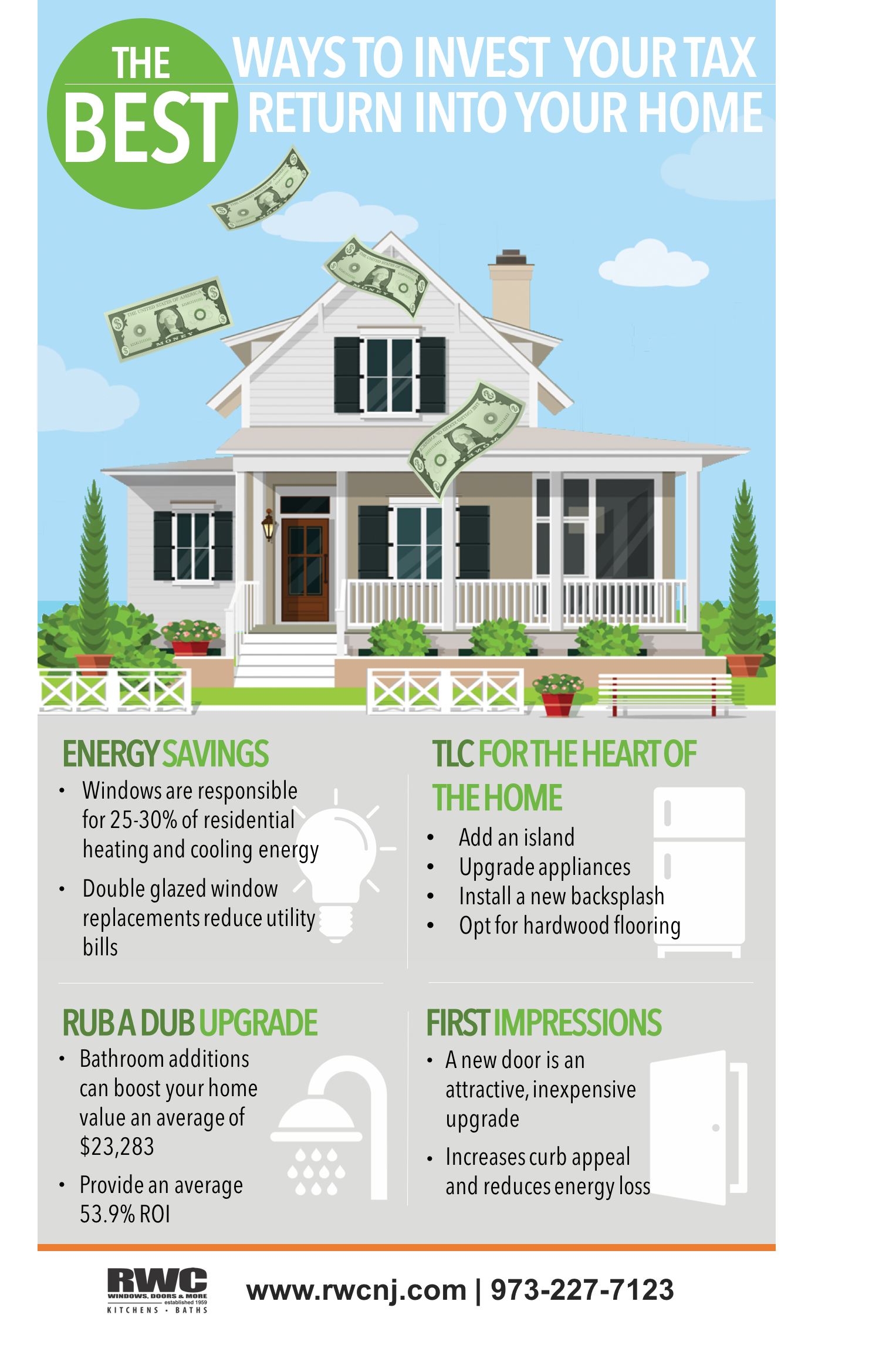
Save Energy With Quality Window Replacement
One of the best ways to invest tax refund money is by upgrading to high-quality windows. Better yet, upgrading to energy efficient windows for your home is an even better investment. According to Energy.gov, "Windows are responsible for 25%–30% of residential heating and cooling energy..." Double-glazed replacement windows will reduce your utility bills. Replace moldy and drafty windows to make your home more comfortable in the winter, and cooler in the summer. Choose a reputable residential window and door replacement specialist that can also add specialty window coatings that reflect solar heat while passing full sunlight, to reduce radiant heating of your home.
Invest Income Tax Refund on a Kitchen Remodel
One of the best ways to invest your tax refund is with a kitchen remodeling project that will take your kitchen from drab to dynamic. Houzz.com looked at the current trends in kitchen remodeling and found the most desired projects include adding a kitchen island (61%), tiled backsplash for detailed decor (50%), stainless steel appliances over colors (65%), and hardwood floors over laminates (35%). For additional energy savings, replacing energy-hog appliances with Energy-Star ratings will save on utility costs.
Bathroom Remodel is a Great Investment
A modern bathroom is not just a luxury, but state-of-the-art fixtures provide water savings while adding convenience and beauty. If your family is increasing, or as your children age - so will their privacy needs. An updated bathroom or a bathroom addition can boost a home’s value by an average of $23,283, giving a 53.9% return on investment. Today's bathroom designs are sanctuaries of comfort and relaxation. Most of all, partner with a kitchen and bath remodeling service that can provide budget-friendly and stylish finishes. You can consider adding more space, more luxury, more efficiency, more style - or all of the above.
An Opportunity to Replace Your Front Door
When you consider how to invest tax return, you may not think about a door replacement. But according to Money.com, a 1/8-inch gap under a 36-inch-wide door will let in as much cold air as a 2.4-inch-diameter hole punched in the wall. That's a lot of chilly New Jersey wind blowing into your home, and reducing your family's level of comfort. Also, the value of an attractive, high-quality front door adds enormous curb appeal and distinction to your home. If you're considering putting your home on the market, a beautiful front door will make a lasting first impression on prospective buyers.
Adding energy efficient replacement windows and new exterior doors are two of the best ways to reduce the energy losses in your home. You will gain a return on these investments by way of reduced utility bills.
Investing for the Future
Don't make the mistake of allowing your tax refund to dwindle away without seeing any real gain. A new bathroom or a kitchen remodel not only adds functionality and increased capacity for a growing family, but will bring convenience to your entire family.
Request a quote for your next home remodeling project and get started with RWC Windows, Doors, and More today.
4 Tips to Sell Your Home Fast
Before you sell your house and start looking for a new home, take a hard look at your property. They say first impressions are everything. Is you curb appeal alluring to potential buyers? What about the inside, is your home staged to sell? If you’re looking for tips on how to stage your home for selling, curb appeal ideas and more, you’ve come to the right place. Even when the real estate market is favorable to sellers, home staging can help you get top dollar for your property. As you prepare to get your home ready for sale, a kitchen renovation or a bathroom remodel are two places to start. While you don't have to do a complete renovation, a remodeled bathroom and kitchen adds significant value to your property.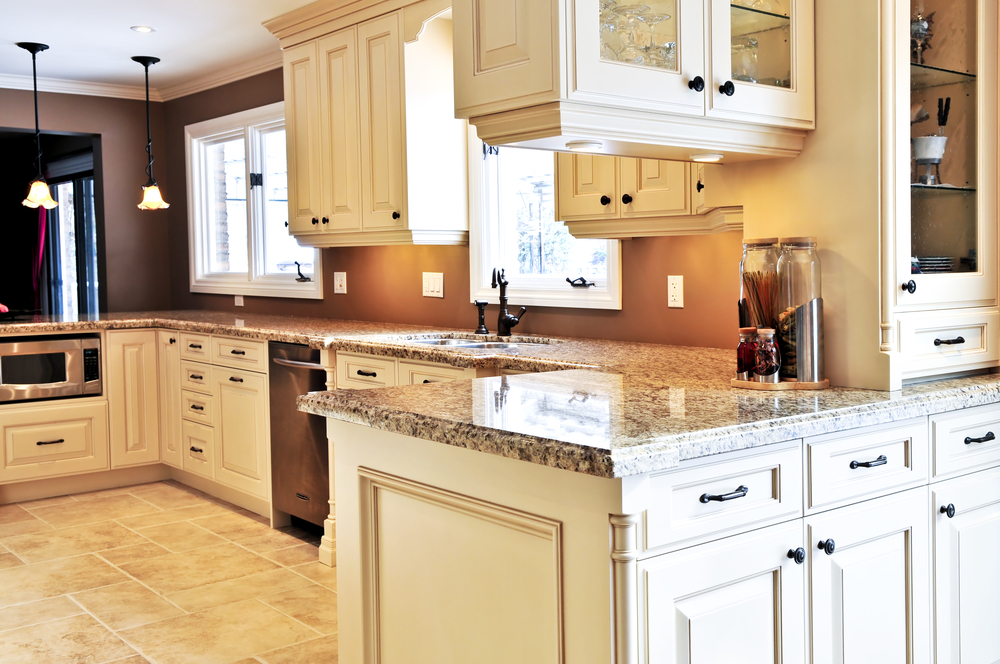
Kitchen Renovation to Sell Your Home
While you may not want to invest money into a home you are trying to sell, a kitchen renovation can give you up to a 70% return on your investment if you choose the right features and spend what is reasonable for your property. Homeowners looking to sell a property can expect to recoup an investment, as long as only 5-10% of the overall price of the home is spent. A kitchen renovation will give your home an updated look and create an appeal to potential home buyers that is hard to resist.
Home Staging is Important When Selling Your Home
Home staging is an art that involves removing clutter from your home and preparing it for sale. The concept behind home staging is to create an environment where potential home buyers can picture their own family living in your space. This means you will remove personal belongings and keep clutter to a minimum. If a room is painted a bright color, consider painting the room more neutral. As you stage your home, you will want to look for ways to make your home look less personal.
A Bathroom Remodel Increases the Value of Your Home
When you remodel your bathroom, you are going to increase the value of your home. It's important to pay attention to the fixtures and features you use to remodel, as you will want the remodel to match the rest of the home. For example, if your home is full of expensive hardwood floors and marble countertops, you should not go with the cheapest bathroom fixtures you can find. Talk with your contractor about possible changes you can make to the bathrooms in your home in order to get the most out of your investment.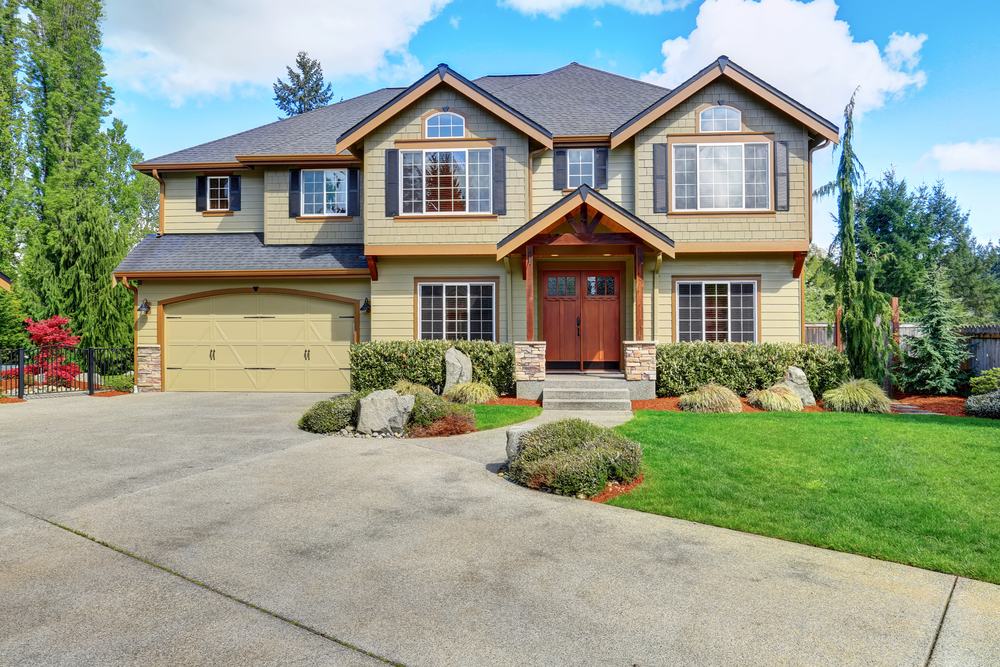
Pay Attention to the Curb Appeal
While you stage the inside of your home, you also have to pay attention to the curb appeal. A well-kept yard makes a big difference when it comes to the first impression buyers will have of your home. Even if you don't have enough time to grow gardens, make sure the outside of your home is clean and neat. Remove all yard debris, sweep your walkway, and repair any railings going up to your front door. If your front door is old, replace it with something more appealing.
When you want to sell your home fast, it's important to:
- Consider how you can renovate the current kitchen to give it an updated look.
- Invest in professional home staging to make your home more appealing to buyers.
- Look for ways to remodel any bathrooms in the home.
- Clean up the exterior of your property to give your home better curb appeal.
At RWC Windows, Doors & More, we are ready to talk to you about the various ways you can prepare your home to sell fast. Call us at 973-227-7123 and we will be happy to discuss your renovation options.
Do You Know How to Choose the Right Contractor for Your Home?
Home renovations are always key investments that not only make your home better and more comfortable to live in, but also increase its resale value. However, if you settle on the wrong home remodeling contractor for your home, your project’s failure and excessive re-work costs down the road are imminent. So, how can you choose the right contractor for your renovations?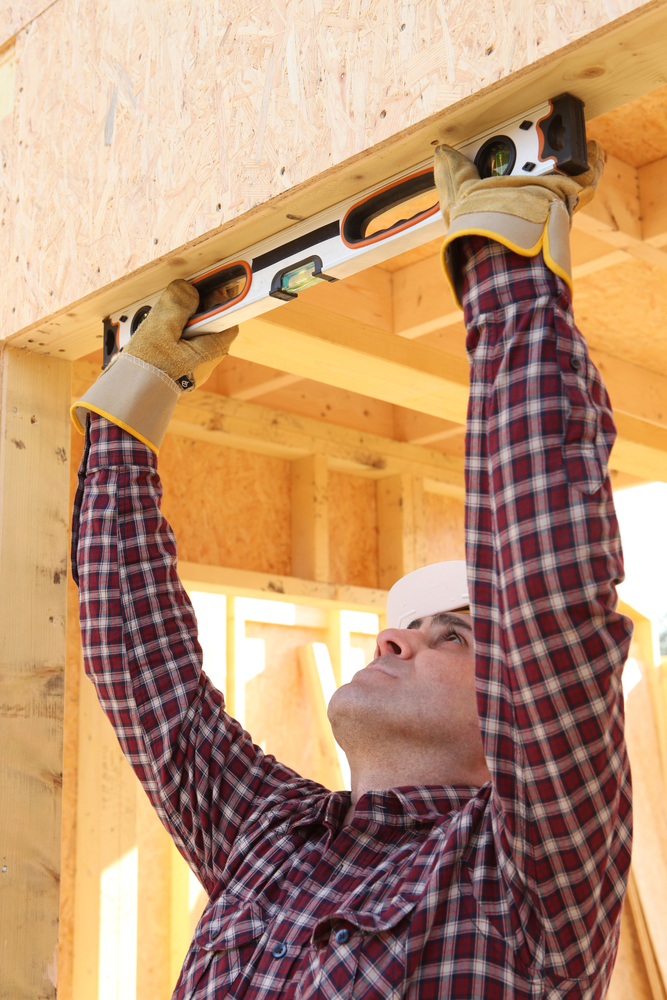
Start by planning your project
Before proceeding to search for a contractor, it is imperative that you start by planning the requirements of your project keenly. A contractor will most often deliver what a client requests, unless the client asks for suggestions from the contractor. Make a detailed plan of your project and visualize what you would like to see as the end results of your home renovations. This way, you can easily explain to potential contractors what you want in a clear manner, making it easy for them to be on the same page as you.
Ask for referrals
This is still one of the best ways to find the right contractor for your home renovations. Ask your close friends, neighbors, relatives, real-estate agent, homebuilder’s association or colleagues at work for names of good contractors they have worked with before. Getting a referral by a trusted source improves your chances of meeting the right contractor for your project ten-fold. However, make sure that you are specific of the type of contractor you need, and that the contractor referred to you has expertise in the specific type of project you want handled.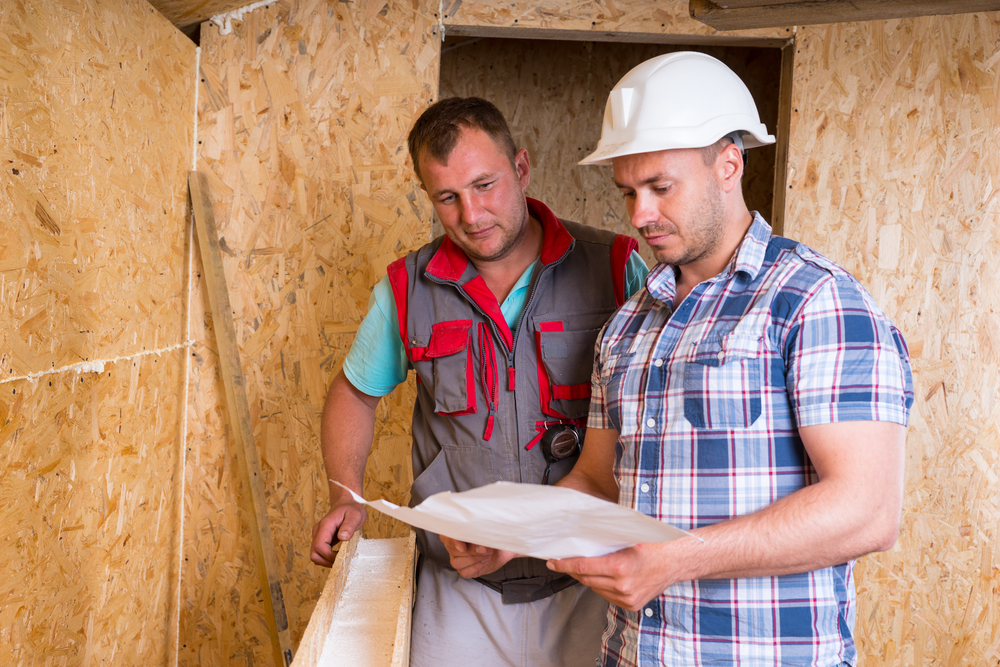
Narrow down your list of potential contractors and conduct interviews
Once you get referrals to several reliable contractors, proceed to check their websites and online reviews to help you narrow down your list to at least 3 potential candidates. Call these three candidates or meet them in person for a detailed interview to see who fits your project better. Take this time to have the contractor’s explain how they plan on meeting schedules and budgets from the project’s inception to the end. This is also when you ask any burning questions you may have about the project.
Carry out some further research on your potential contractors by:
Consulting their past clients. Request the contractor to connect you with several of their past clients to find out their experience. If you cannot connect with previous clients, look for reviews on Facebook, Houzz and Google.
Scope out out their previous projects. The contractor should be able to provide you with a list of their past projects so that you can see their workmanship. Check out projects on Houzz and ask to see their portfolio of work. This way, it is easy to tell between a poorly and a professionally completed project.
Is the contractor certified and licensed? Check whether the contractor has the required licenses and certification to work in your area. You can confirm with your local building authority on what is required of your renovation contractor. You can also check if they belong to the National Association of The Remodeling Industry or the National Association of Home Builders.
Check if the contractor is insured. The contractor should have liability insurance to cover for damages on your property as a result of his work (such as accidental flooding), as well as a worker’s compensation plan in case any of their workers is injured on-site.
Get everything in writing
After settling on the right contractor for your project, retain a copy of the contract. The contract should enlist key details about project schedules, payment plans, and consequences of contract breach. Read the contract carefully and make sure you understand it well.
Takeaways:
Steps to help you choose the right contractor include:
- Planning for the project
- Asking for contractor referrals
- Interviewing contractors
- Carrying out background checks on the contractors
- Signing a contract
Now that you've got these tips to find the right contractor for your home renovation, what are you waiting for? RWC Windows and Doors are professional home remodeling contractors with all the required licensing, insurance, and proven track record of successful projects. Find out more about their services today!
4 Home Improvement Projects that Qualify for Energy Tax Credits
Taxpayers have been enjoying numerous energy tax credits from the federal government on home improvement projects that boost their home’s energy efficiency. At the end of 2016, the clock expired on some of the federal green energy and home efficiency tax credits. The exception was solar energy projects (which will be available up to 2021) and the EEM (Energy Efficient Mortgage) program which will be available indefinitely.
At the moment, here are 4 home improvement projects that may qualify you for energy tax credits as you prepare to file your tax returns in April 2018.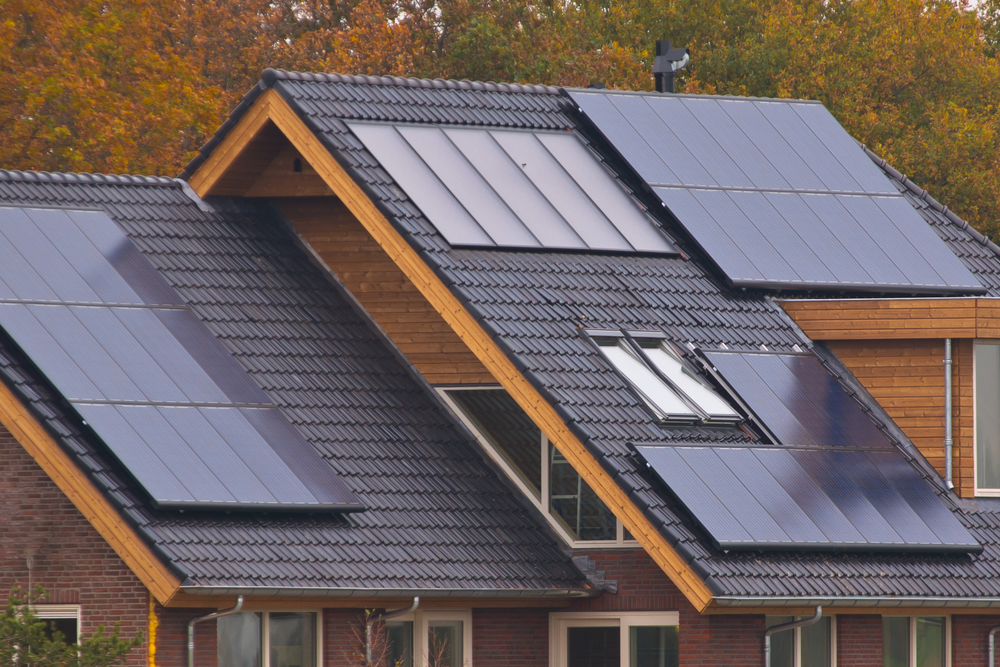
1. Solar energy home improvement projects
Installing Solar water heaters or solar panels may qualify for a tax credit equal to 30% of the total cost of the equipment and any associated installation costs. These tax credits are available through 2021, but will gradually decrease to 26% in 2019, 22% in 2021, and then expire by December 31, 2021. The tax credit on these home improvements can be claimed on newly constructed homes and existing homes (including 2nd homes). Rental properties do not qualify.
For the solar heaters to qualify for home energy tax credits, they must produce at least half their energy from solar and be certified by the SRCC (solar rating and certification corporation). However, all energy-star rated solar water heaters quality. Solar panels that qualify must be generating electricity for the residence alone. They must also meet the necessary electrical and safety code requirements.
2. Wind power generation projects
Installing small wind turbines power up your home, save on utility bills, and qualify you for energy tax credits. Small wind turbines qualify for a tax credit of 30% calculated against the total cost of purchasing equipment plus the installation costs. Lucky for you, there is no higher limit on the credit size! The wind turbines must have a generating capacity of no more than 100 kW, which is the maximum capacity output for turbines under ideal wind conditions to qualify you for the tax credit. The credit is also only applicable to new and existing homes (both primary and second), but not on rentals.
3. Installing geothermal heat pumps
Geothermal heat pumps will also qualify you for a tax credit equal to 30% of the total equipment purchase as well as installation costs. There is also no upper limit on the amount of credit you get here. To qualify, your geothermal heat pumps must meet certain performance and efficiency standards laid out by the Department of Energy. According to the Energy Department also, geothermal heat pumps consume 25% to 50% less electricity than the traditional HVAC systems. They can be used for water heating, home heating, and air conditioning. The tax credit applies to projects undertaken in new and existing homes (both primary and second), but not on rentals.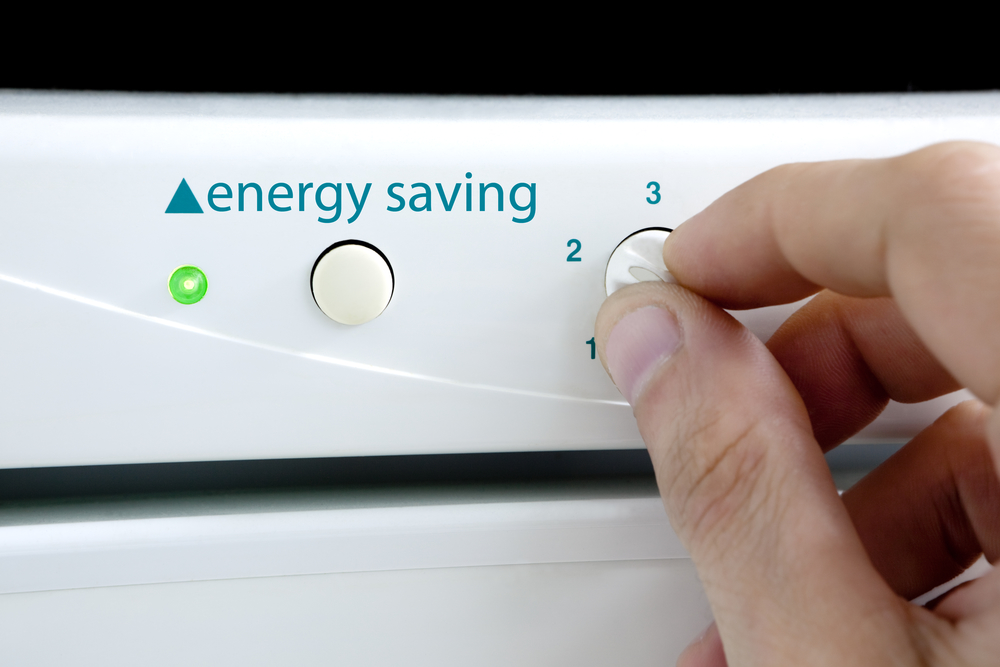
4. Installing fuel energy cells
Fuel energy cells may be quite expensive to purchase and install, but the federal government assures you of a 30% tax credit on the total cost of equipment and installation fees. However, there is an upper limit of $500 per 0.5 kW of generating capacity in this case. The system also has to achieve efficiency ratings of 30% and above, or have a generating capacity of at least 0.5 kW. The tax credit is applicable in existing and newly constructed homes only. Rental properties and second homes do not quality.
Takeaways
- Beginning January 2017, some of the federal green energy and home efficiency tax credits were discontinued
- Home improvement projects qualifying for tax credits include; solar, wind, geothermal and fuel cell power production projects
- Solar, wind, geothermal, and fuel cells power projects qualify for a 30% tax credit
- You may claim tax credits on projects either on your newly constructed home, second home, or rentals. Check the specifics of each, as the fine print varies.
If you undertook any of the above projects last year, apply for tax credit from the IRS by filing Form 5695 with your federal tax return. For more information on energy efficient windows, doors and more, contact the professionals at RWC Windows Doors and More right away!
How a Home Energy Evaluation can Save You Green
The idea of maintaining an energy efficient home isn't necessarily about the concept of, “Go Green!” in the sense of keeping an eco-friendly lifestyle. It serves the practical function of saving you some green in the form of spending on your monthly heating and cooling bills. Often, excess energy is wasted through subtle means. While you may not realize you're losing heat through a window or door draft, this loss adds up over time. Consequently, the more heated or cooled air you lose from inside, the more your HVAC system has to run. As a result, the more your HVAC system is running the higher your power bill is going to be.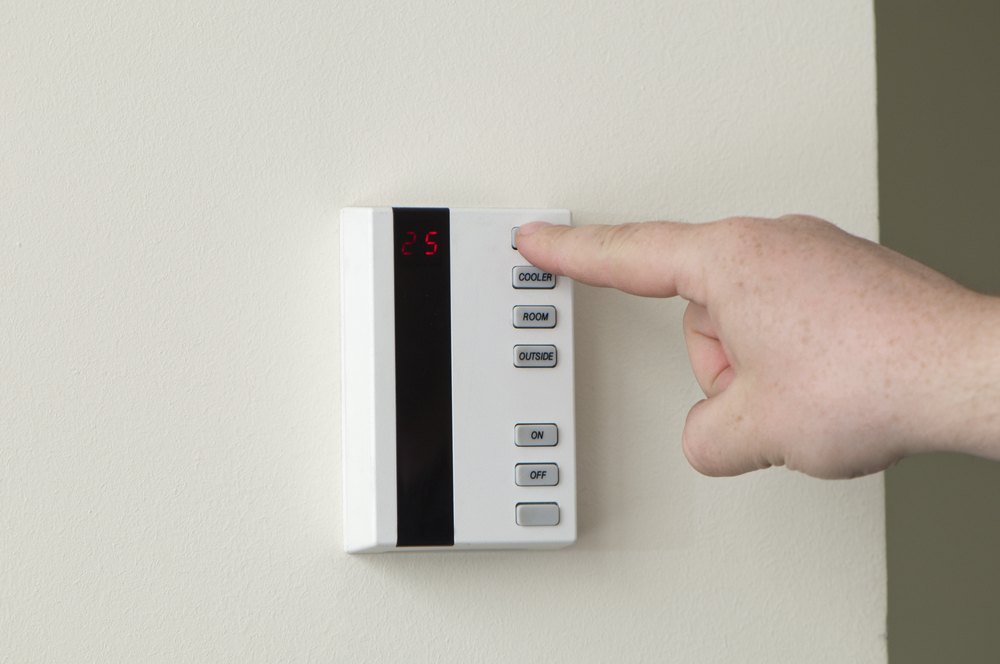
Conducting a Home Energy Evaluation
According to EnergyStar, you can conduct an informal home energy evaluation of your own home to determine potential weak points where you're losing money. Of course, if you don't work in the field you probably aren't going to be as efficient as a professional who understands common points of energy loss and has specialized equipment to evaluate such places, but you can certainly pay attention to what areas in your home always seem to feel cold during the winter, which rooms are never as comfortable as others, and check for noticeable drafts around windows and doors and then discuss with a contractor how to fix the compromised areas.
What to Expect with an Energy Assessment
Professional home energy auditing is going to start with the same type of assessment you've conducted, after asking about any problems you've noticed to review what might be causing them. Beyond that, the auditor will check the amount of insulation in your attic and in your basement or crawl space. Similarly, he may also check the insulation in your walls for integrity and make sure there is enough, especially if your home is older. During a thorough energy use investigation, the auditor might run a pressure test. This will tell them exactly where any air is escaping inside and outside your house. Additional tests may involve checking the temperatures in your floor and walls, or checking moisture levels in different places in your home.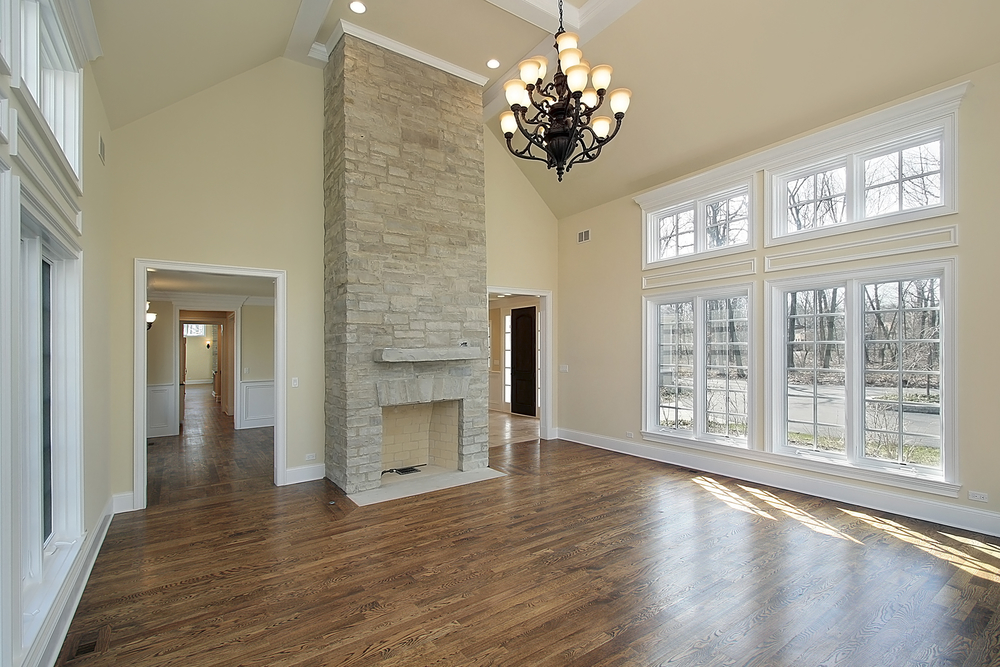
Common Ways to Save Energy
Hands down, the simplest way to improve your home's energy efficiency is with new windows. Windows can come out of alignment due to a variety of factors including:
- House settling over time
- Expansion in heat
- Contraction in cold weather
- Poor sealing
Compared to 5-10 years ago, there is better technology available with new windows. Likewise, doors are often a culprit of allowing cold air in and warm air out during the winter, or vice-versa during the summer. Replacing your old windows and doors with energy efficient options are a cost effective way to save energy and increase ROI.
Conclusion
- Conducting an energy assessment helps find which rooms are wasting power.
- Improving problem areas helps to lower your monthly electric bill.
- Perform an energy assessment to determine how to improve your home's energy efficiency.
- New windows are likely the easiest way to improve your home's energy efficiency.
- Doors are also a common source of drafts and energy loss.
What to Do Next
Once you've realized problem areas in your home, or need a professional contractor to assist in conducting a home energy analysis, contact us at RWC. We'll formulate a plan to make your house more energy efficient.
The Best and Worst Home Improvement Projects for ROI
If you are looking to put your house up for sale and make the most profit, the first thought is to make upgrades so your house fetches a better price in the market. While this works in most cases, not all home improvement projects give you a significant return on your investment (ROI); no matter how beautiful or practical they may be.
So, before you get down on your interior or exterior upgrades, consider these crucial projects that will positively impact your ROI.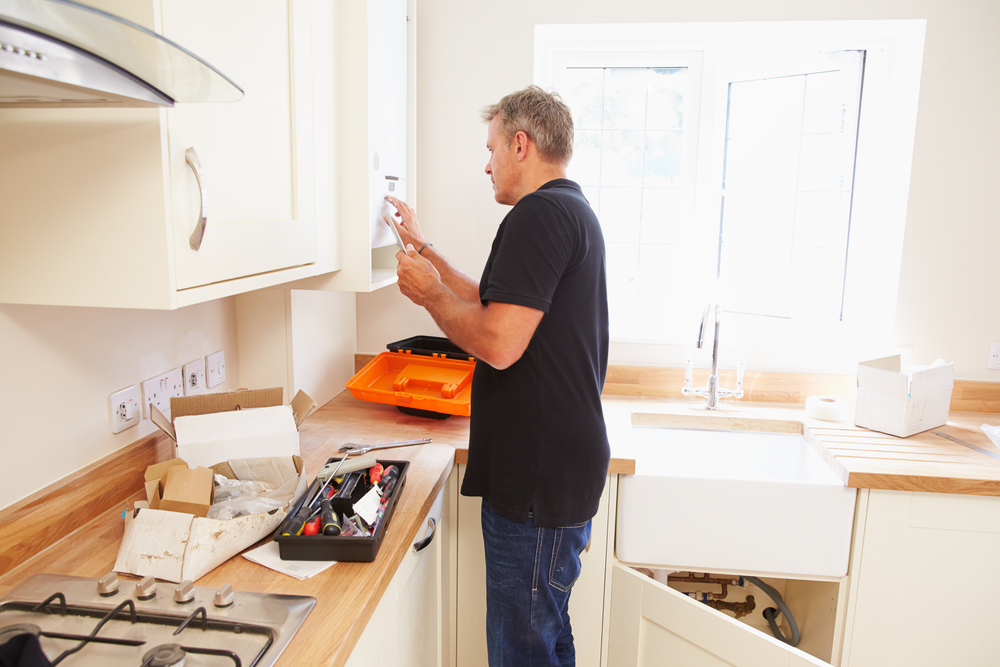
Best home improvement projects for ROI
The following 3 projects are among the best home improvement investments that are known to cut across the board; meaning that they can give great ROI in almost any neighborhood across the nation.
1) Steel entry door and wooden window replacement
According to the Cost vs. Value report for the year 2016 by Remodeling, upgrading your entry door to a steel one offers a large return on investment with an average of 91% across the nation. The average cost of a steel door is around $1,200, so with a 91% return on this investment, it proves to be a worthy upgrade.
Installing wood windows can also help you recoup close to 80% of the total remodeling cost upon selling your home. Window replacement projects when combined with a stylish steel entry door replacement, create an attractive appeal that is perfect for creating lasting first impressions to buyers.
2) Minor kitchen remodeling
Kitchens are the hub of a home as this is where most people spend their time. According to the same 2016 report, minor kitchen remodels also offer good ROI with an average of 83% nationwide. The most common minor remodels include upgrading the kitchen cabinets, granite counter tops, fixtures, sinks, faucets, colors and finishes.
3) Bathroom remodeling
Bathroom remodeling is another key home improvement return investment. Bathrooms and kitchens are areas in a home where a buyer can walk in and tell whether money has been well spent or not. Bathroom remodeling does not necessarily call for expensive upgrades. It only needs minimal, but well targeted upgrades to create an impressive appeal to the buyer. Depending on the real estate market in your neighborhood, bathroom upgrades can give an ROI of up to 96%.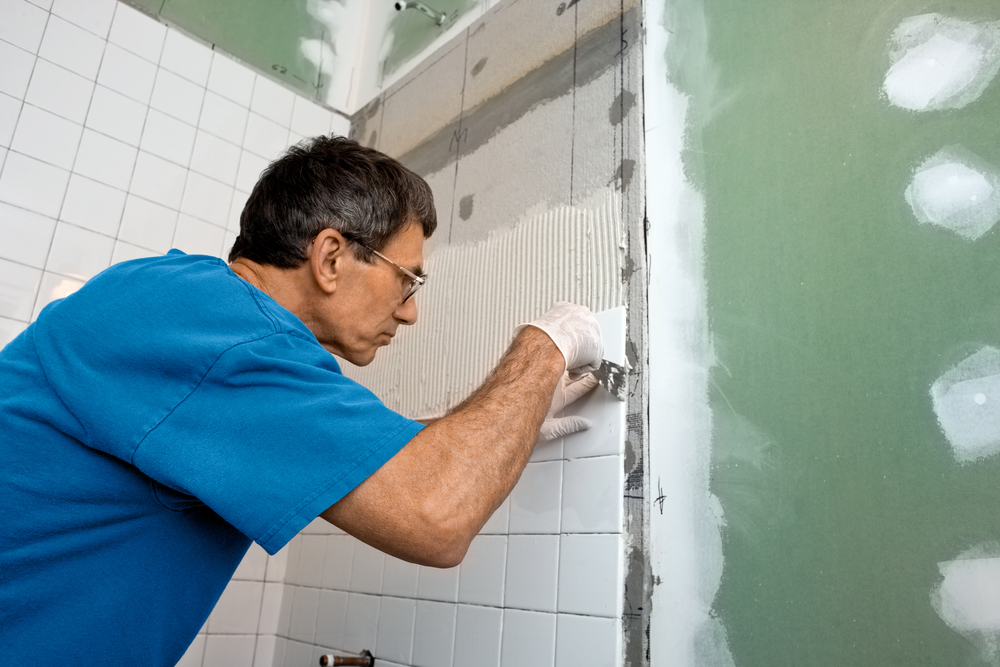
Worst home improvement projects for ROI
These are some of the worst upgrades to undertake when looking attain a maximum return on your investment.
1) Home office remodeling
While it may seem like a great idea to revamp your home office before resale, you may end up recouping less than half the cost of your remodel. Home office remodeling has a very low ROI of around 48.7% on average. This is because even though some people would want to have a home office, only a population of around 2.8% works from home part-time and hence they don’t really need a remodeled office.
2) Garage addition
A garage addition is also a poor investment project if you are aiming on getting a good return on your investment. Building a garage calls for intensive labor and expenses with only an average ROI of 60% on the project’s cost. However, undertaking a garage door replacement can see you recouping over 90% of the project’s cost.
3) Bathroom addition
According the 2016 Cost vs. Value report by Remodeling, bathroom addition home investment projects had the least return on investment nationally with an average percentage of 56%. Getting an additional bathroom costs around $42,000 but you can only expect to recoup around $23,000 of that cost, which is very low ROI.
Takeaways
- Home improvement projects can help boost your property’s value during resale.
- However, not all remodeling projects have a good return on investment.
- Some of the remodeling projects with the best ROI include; bathroom remodeling, minor kitchen remodeling, steel entry door replacement, and wood window replacement.
- Some of the remodeling projects with the worst ROI include; garage addition, home office remodeling, and bathroom addition.
- There are many more types of remodeling projects you ought to look into, particularly those that are specific to your neighborhood.
For professional advice and consultation on how to go about your home upgrades, contact us at RWC. We are the number all-stop shop for windows, doors, kitchens and bathrooms remodeling services.