

How to Prepare Your Windows and Doors for Winter [INFOGRAPHIC]
The cold winter months are here; meaning it’s time for you to prepare your windows and doors for the season if you haven’t already done so. The winter season can be a nightmare for you and your family if it finds you unprepared. You will not only have to put up with leaks and drafts, but also with poor insulation resulting in very high energy bills. In most cases, these high bills are due to ineffective windows and doors that act as poor insulators by letting the cold air in and the hot air out.
So, as the winter season sets in, it’s wise to inspect and prepare your windows and doors for winter. Check out our guide on how to get your windows and doors ready for winter: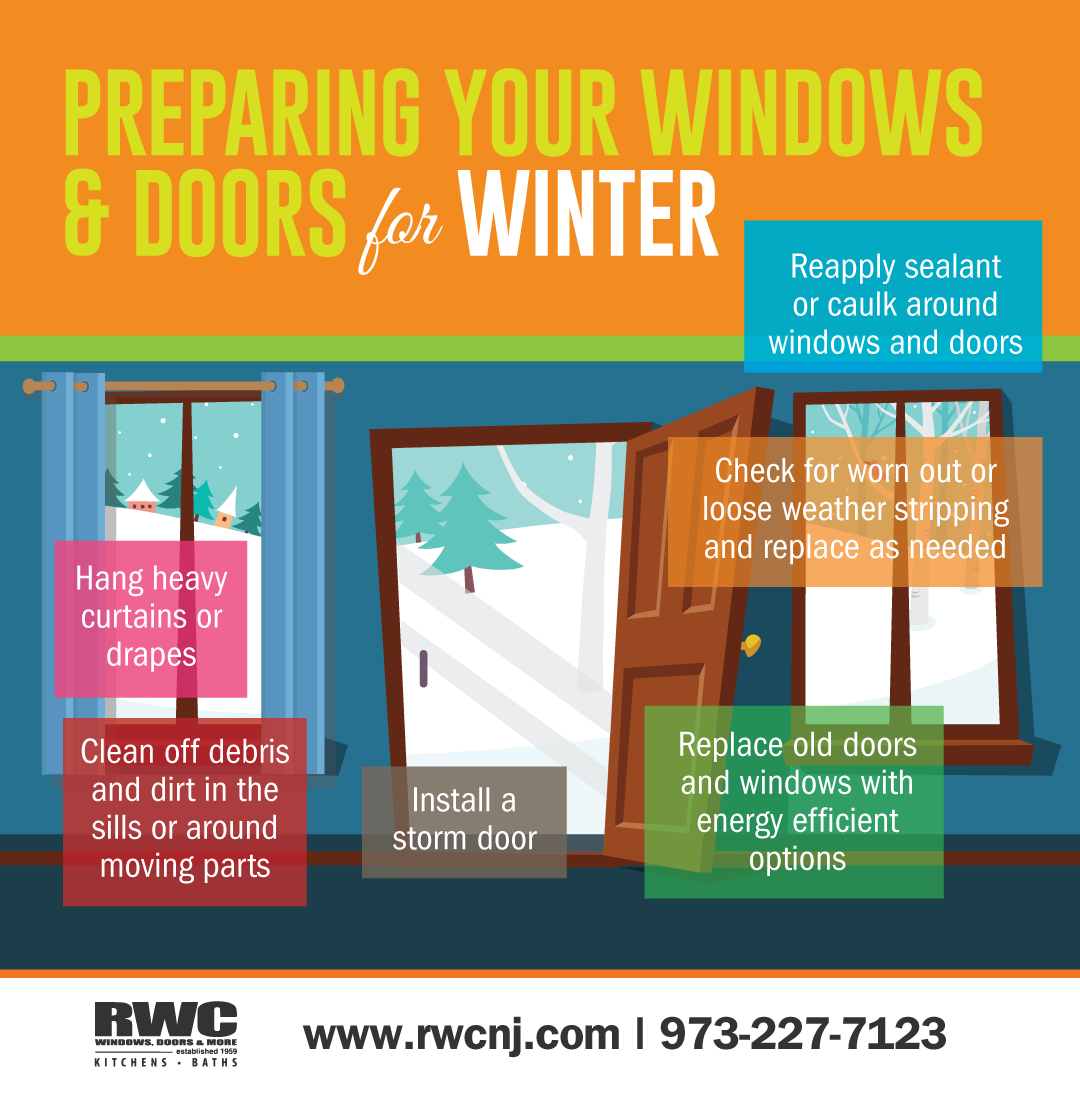
Examine Windows for Dirt and Cracks
- Clean off any debris and dirt in the sills or moving parts of windows and doors. Inspect your doors and windows and clean off any dirt or debris present in their moving parts and sills. Dirt and debris accumulate in these areas and prevent the doors and windows from creating a tight seal. This lowers their insulation performance.
Weather Stripping
- Check the state of weather stripping around doors and windows. Weather stripping may become worn out or ineffective over time, resulting in air leakage and hence insulation inefficiency. Check for any worn-out or loose weather stripping in your home’s openings and reattach or replace them.
Are they Sealed?
- Reapply sealant or caulk around windows and doors. Winterize doors and windows in your home by resealing areas that may have been exposured to sun rays or heavy weather. Such exposure could result in the breakage of the sealant or caulk, hence increasing the potential of leaks and drafts.
Assess Any Damage
- Examine for repairs. Winterizing doors and windows in your home will require you to handle any cracks or damages on them that you may have been postponing. Repairing cracked window panes or wood frames around the windows can help you avoid the risk of moisture leakage during winter. Leakage can cause significant damage to the areas around your windows and doors if ignored for a long time.
Keep Cold Weather Out
- Install a storm door. Consider installing a storm door to the exterior of your front door to add an extra layer of insulation and protection during winter. Some storm doors are built with special coatings or glass that can help reduce energy loss through the front door by more than 50%.
Add Insulation
- Hang heavy curtains or drapes. Drapes or heavy curtains will improve the aesthetic appeal of your home and optimize insulation around windows and doors. Drapes can actually reduce heat loss during winter months by up to 10% when closed by acting as an extra barrier that prevents cold air from the outside from getting into the house.
Out with the Old, in with the New
- Replace your old doors and windows with energy-efficient ones. If your home has single paned glass, they may not offer adequate insulation in cold months. Double or triple-paned glass windows or a fiberglass door, can improve your home’s insulation and save on energy bills.
With these tips, you can easily winterize your doors and windows in readiness for the winter season. Some of the tips are easy to do by yourself, but some require professional help. At RWC New Jersey, we are here to answer any questions you may have concerning winterizing your doors and windows, or help you with any weather proofing assistance you may need for your home. We specialize in windows and doors, and we are your best bet in repairing or replacing your home’s windows and doors for energy efficient ones. Contact us today for consultation or a request a quote for your project for free!

Bathroom Tile Layout Patterns for Every Style
When it comes to home decor and design, many homeowners want a functional and unique space. The bathroom offers great opportunities to make it your own unique style. In recent years, tiles have taken over bathrooms for their practical and decorative finishes. Tiles are a natural choice for a bathroom considering they are now available in many designs, patterns, colors, textures, and more.
No matter how you want to alter the appearance of your bathroom, there are countless bathroom tile layout designs to choose from. All you need is a preference, and a reliable, professional home remodeler to help you advise you on the best tile layout for your bathroom. RWC are experts on bathroom layouts, design, and finishes and have designed this guide to help homeowners like yourself pick out the right tile layout patterns. 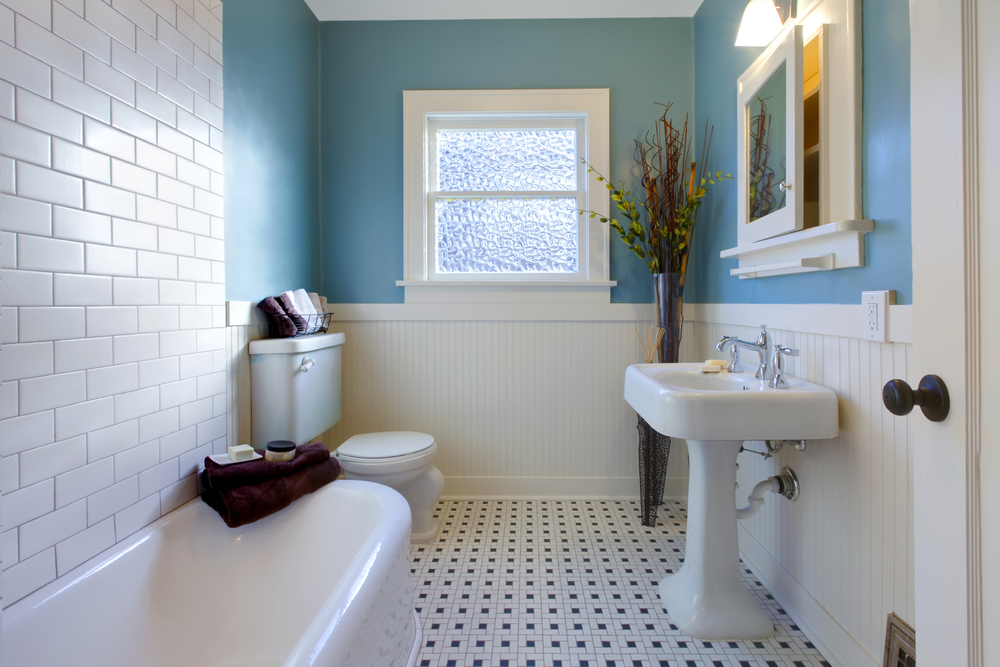
Most common bathroom tile layouts
- Straight lay tile patterns. This is the most basic tile layout of them all and can be perfect both as a bathroom floor and wall tile. As you have probably guessed already, in this pattern the tiles are set in a straight line with the corners of each tile lining up with each other. This tile layout creates a grid-look that is simple and seamless. However, you can make this basic pattern stand out by using tiles with decorative designs or bright and bold colors that make it really stand out. Using a contrasting grout color is another way to make tiles in this pattern pop.
- Running bond (Brick) pattern. This is another common bathroom tile layout for floors and walls. The layout uses square or rectangular tiles that are installed with each tile’s edge starting at the center of the one below it or above it. The layout offsets the next row by exactly half the width of the tile above or below. This pattern is the most popular backsplash tile layout for bathrooms and kitchens.
Add Flair with the following bathroom tile patterns:
- Herringbone tile pattern. In this tile layout pattern, tiles are laid out in alternating 45 degree angles to give a V-shaped design. Rectangular tiles of the same shape and size are required. It creates quite an attractive tile pattern on small scale, making it ideal for bathroom walls and floors.
- Basketweave pattern. The basketweave pattern resembles the texture of a basket hence its name. Using rectangular tiles in a pair, lay the tiles perpendicular to each other (90 degrees). This pattern creates a highly attractive tile layout that easily draws attention. It is also a popular backsplash tile pattern for bathrooms and kitchens.
- Windmill tile pattern. This is one of the two-tile bathroom layout patterns; meaning that 2 different shapes/sizes of tiles are required. In this pattern, the layout is comprised of squares made up of 4 rectangular tiles. In the center of this square, place a small square tile to complete the windmill look. Just like other classic-looking bathroom tile patterns like the basketweave, this bathroom pattern too is famous for walls, floors and the shower.
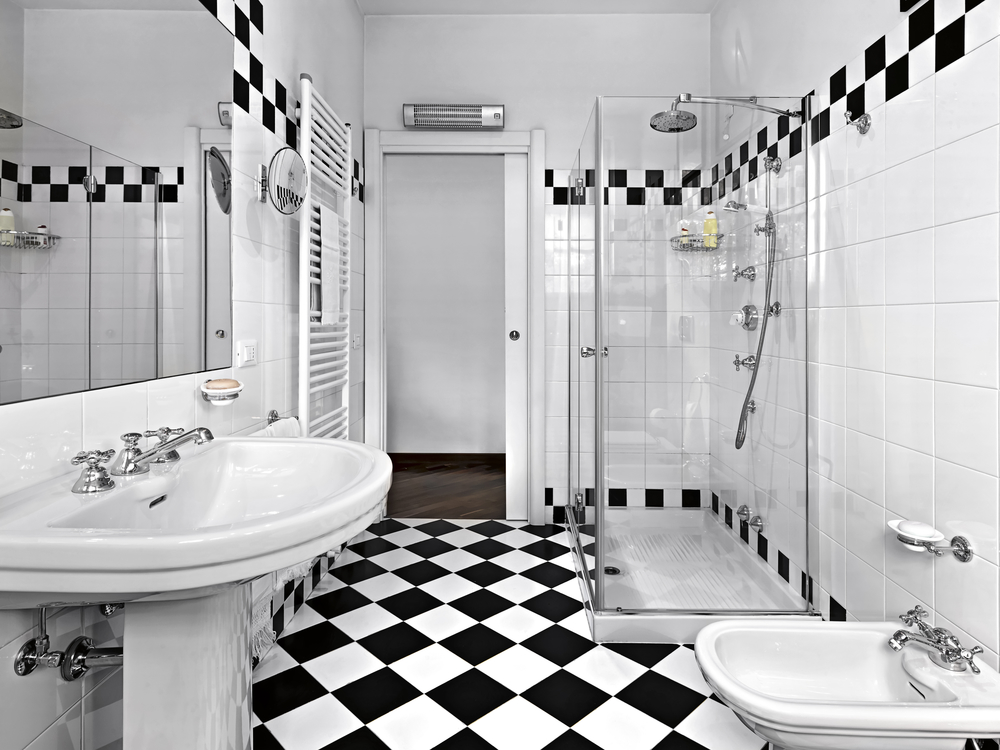
- Checkerboard tile pattern. This tile pattern looks like a chessboard or checker. It simply uses white and black alternating square tiles to create a classic look as a bathroom floor tile or bathroom wall tile. Gray, tan, red or any other color can substitute for black tiles; it all depends on tastes and preferences.
Takeaways
There are many bathroom floor tile layouts for every style. Some of the most common bathroom tile patterns include:
- Straight lay tile pattern
- Running bond/brick
- Windmill, herringbone
- Checkerboard, basketweave
- Corridor
- Cobblestone
- Pinwheel pattern among more.
Settling on the bathroom tile layout that meets your tastes, preferences, budget, and your home’s interior décor can be difficult. However, with the help of professionals at RWC home remodelers in New Jersey, all your worries can be laid to rest. Contact us today for professional advice on your bathroom tile layering project. You can’t afford to make a mistake on such a huge investment!
How to Choose the Right Modern Front Door Hardware
Choosing the right front door hardware can make a big difference in how the outside of your home looks. Your front door knobs have a great impact on the overall design of your entryway, and it's important to take your time when picking out your exterior door knob design. When you are ready to improve the look of your front door and want to improve the security of your front door, here are some front door hardware ideas to consider.
Types of Entry Door Hardware to Choose From
Front door locks hardware consists of both the locking and opening system of your door. You can choose from deadbolts, keyless locks, levers and knobs, hinges and more. With a variety of hardware to choose from, you can select something that bests fits your preferences and lifestyle.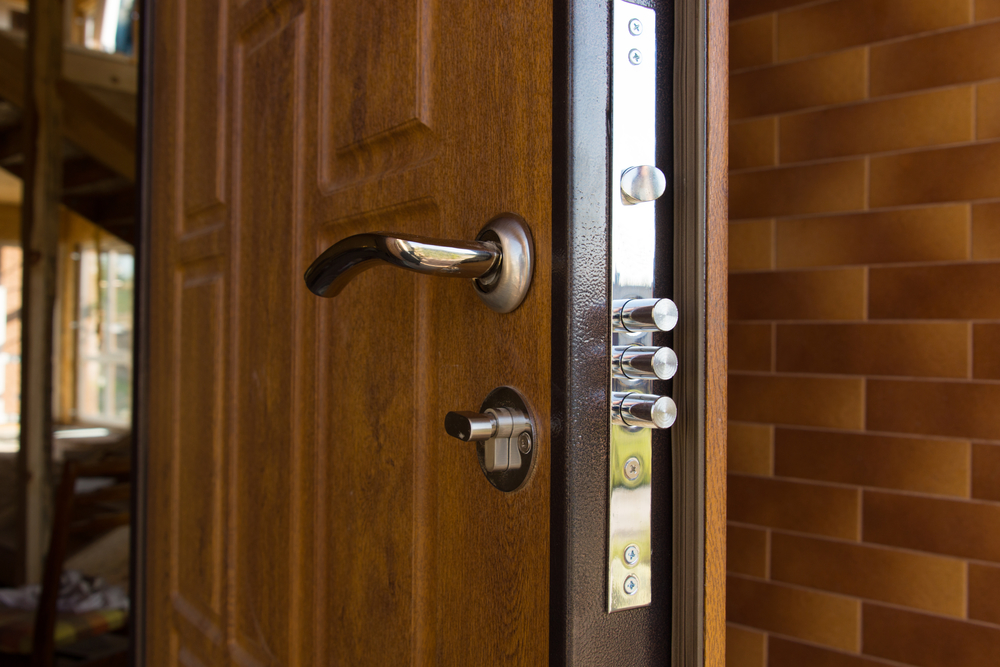
Front Door Lock Types Available
Mortise or tubular locks are the two common locks available for homeowners. Tubular locks are easy to use, and are the cheapest type of lock to have on your front door. If you choose a tubular lock, you'll want to include hardware for a deadbolt lock that will make your front door more secure. Mortise locks generally include a deadbolt, and the lock is cut right into the door instead of the in the door handle. If your door lock does not include a deadbolt, it's time to add one to keep your home more protected.
Modern Front Door Handles
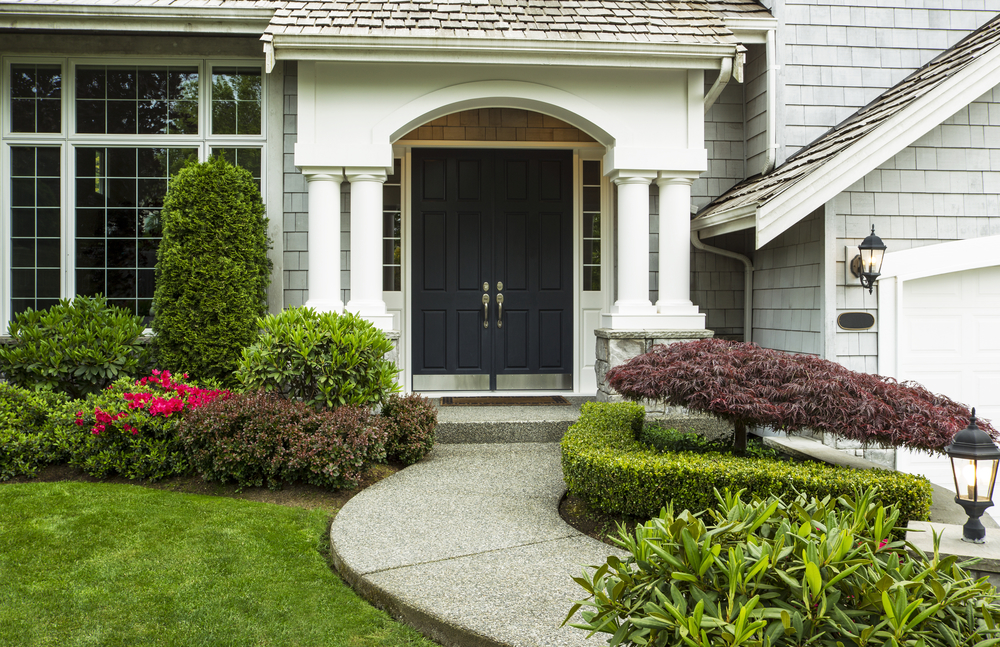
Style matters when you are choosing front door knobs or handles for your home. Your front door handles make a statement, showcasing your style. There are many types of door handles for you to choose from. You'll want to consider the design of your home, and go for a doorknob design that complements your home. From rustic iron, to more modern, polished silver or brass, you have many choices when considering custom front door handles for your home.
The Size of Existing Hardware
If you aren't sure how to change your existing front door hardware, the first step is to measure the hardware that is already there. Look for a product that is either the same size as your existing hardware or larger, so that you don't have to worry about exposing part of your door that isn't finished. If you don't know how to change out the lock or you need help choosing a style, RWC Windows, Doors & More is ready to talk with you about your options.
 Your Hardware Budget
Modern front door hardware parts and sets are available in a wide variety of prices. You can spend as little as $20 for a hardware set, but up to $1500 for a fancy, decorative set of front door hardware. A simple tubular lockset will cost around $60, while a Mortise lockset will be in the $250 range. Know what your budget is before you start looking so that you can stay within your parameters.
The Final Touches
The door hardware types used on your front door can greatly improve your curb appeal. From brass, to nickel and matte finishes, you can choose a hardware finish that shows off your unique style. Pay attention to the finish on other exterior doors and consider matching the finishes.
Choosing the right front door hardware includes:
- Know your budget because costs can vary greatly.
- Decide on a finish that suits your style.
- Look to improve the exterior of your home.
- Choose entrance door locks and handles that keep your home safe.
At RWC Windows, Doors & More, we are ready to talk with you about your front door options. Our craftsmen specialize in front door handle replacement and custom door installation in West Caldwell, NJ and the surrounding area. Call us today at 973-435-4230 to set up a consultation.
Household Windows: Frequently Asked Questions
Household windows contribute a great role in the functionality and beautification of a home. For one, they are essential in allowing ample light into the house during the day. This not only gives the home an outdoor feel, but also saves homeowners on energy bills. Household windows can improve the aesthetic appeal of a home by using in unique styles, colors and materials. However, there are many things about household windows that are not well understood. If you are looking for some answers on how to choose new home windows, or why windows fog and crack, keep reading.
How do I choose new household windows?
Choosing home windows can be a daunting task if you have never done it before or if you are not conversant with the construction industry. There are many types of windows available today, and each has its own set of benefits and demerits. The best way to choose home windows is to consult a professional home improvement expert to guide you through the selection process.
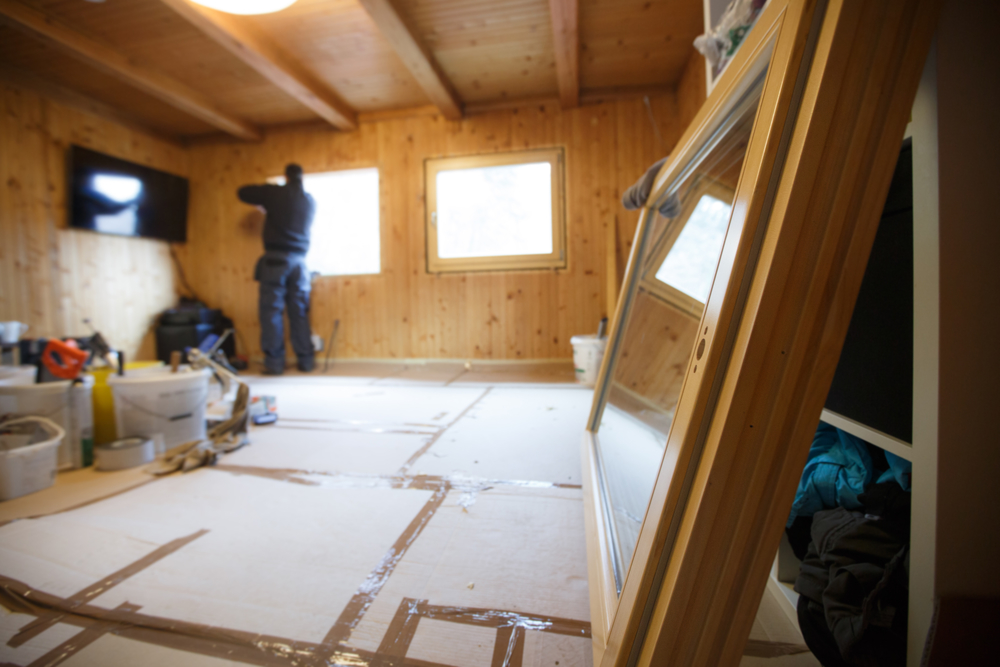
A professional will meet with you and discuss the most cost-effective, energy-saving, and stylish type of windows that meets your tastes and preferences. They will take precise measurements of your windows, show you various materials and designs of windows that match your tastes and preferences, give you an overview of the all the financing options available, and give you a quotation of the installation costs.
 Will replacing my windows help my home to be more energy efficient?
Yes! Replacing your windows will definitely make your home more energy efficient. Windows and doors are crucial in insulating your home especially during extremely cold and hot months. In summer, they help keep the hot air out and the cool air in. In winter, they keep the cold air out and the hot air in.
Replacing your single pane windows with double or triple pane windows that are energy efficient will see you save between 10-25% per year on your heating and cooling bills, according to ConsumerReports.org. Replacing your windows to energy efficient ones can give you a return on investment of over 80% during home resale.
Why do my windows fog?
Windows fog because of moisture condensation. When the seals between the glass panes break or wear out and allow moisture to leak in, it condenses on the window and causes fogging between the panes. This is common in older windows and doors. The fogging is prevalent on the sunny side of the home. Additional heat from the sun rays tends to accelerate the wear of seals and caulk on windows. If your windows are giving you an obscured view, consider replacing them with a quality glass system that can give you a clear view for years.
Also ensure that the installation work is done right by professionals to avoid any moisture leaks leading to fogging.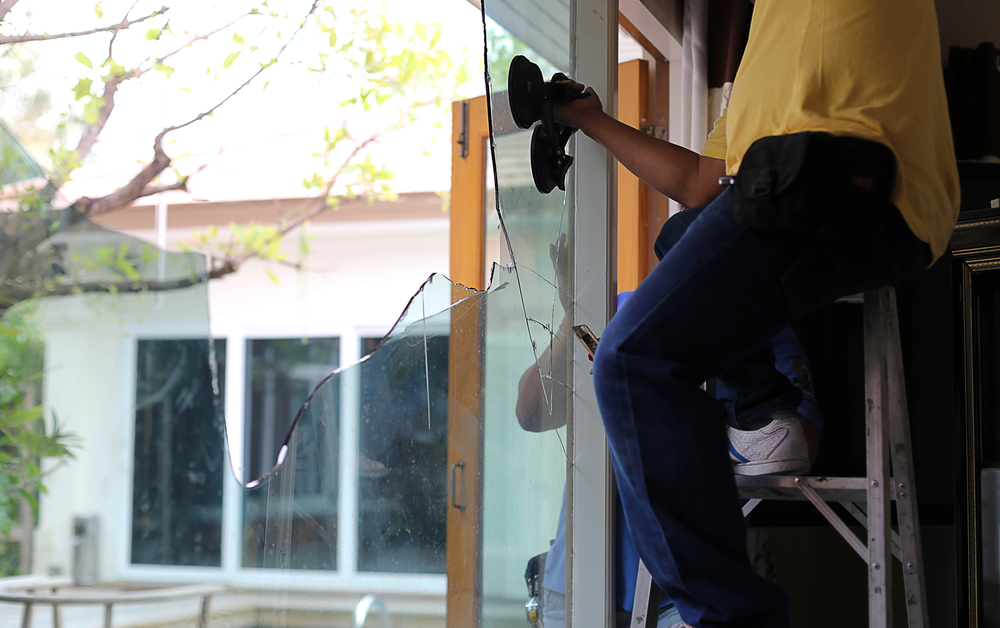
Why did my windows crack?
Remember that windows are made of glass which can be affected by expansion and shrinking because of heat and cold? Often referred to as “stress cracks”, cracks on windows mainly occur in large windows that are in shaded areas or in a recessed wall. The shadows created by these areas cause a fast changing stress factor between part of the glass that is in the shaded, cooler area and the part that is in the un-shaded, warmer/sunny area. When the stress becomes too much from the heating and cooling, the glass can crack.
Why is my wooden window stuck?
Your window could be stuck due to swelling caused by the wet weather in your area. If you recently painted your window frames, excess paint could cause it to stick to the frame. If it’s wet weather, use a dehumidifier to bring down the swelling and work the window free. To open the paint window, slide in a utility knife carefully to break the paint seal.
Takeaways:
- Consult a professional when choosing new home windows.
- Replacing your windows can make your home more energy efficient.
- Quality window systems can help you avoid fogging.
- You can easily get your wooden window unstuck.
There are a few household windows FAQs and their answers. If you have any questions about your windows, windows selection, windows replacement, windows installation, or windows repair in New Jersey, don’t hesitate to contact us at RWC.