

Window Trends During The Last 60 Years [Infographic]
Just like everything else in life, windows have trends. While it may have never crossed your mind, windows have seen quite an interesting evolution over the past few decades. As consumers' needs change and evolve, so, too, do the aesthetics they apply to their homes. Windows, after all, are both beautifying elements and utilitarian applications. Since they serve dual purposes, it only makes sense that window design types have changed faces as the years have gone by.
With this in mind, let's explore the last 60 years of window treatment trends!
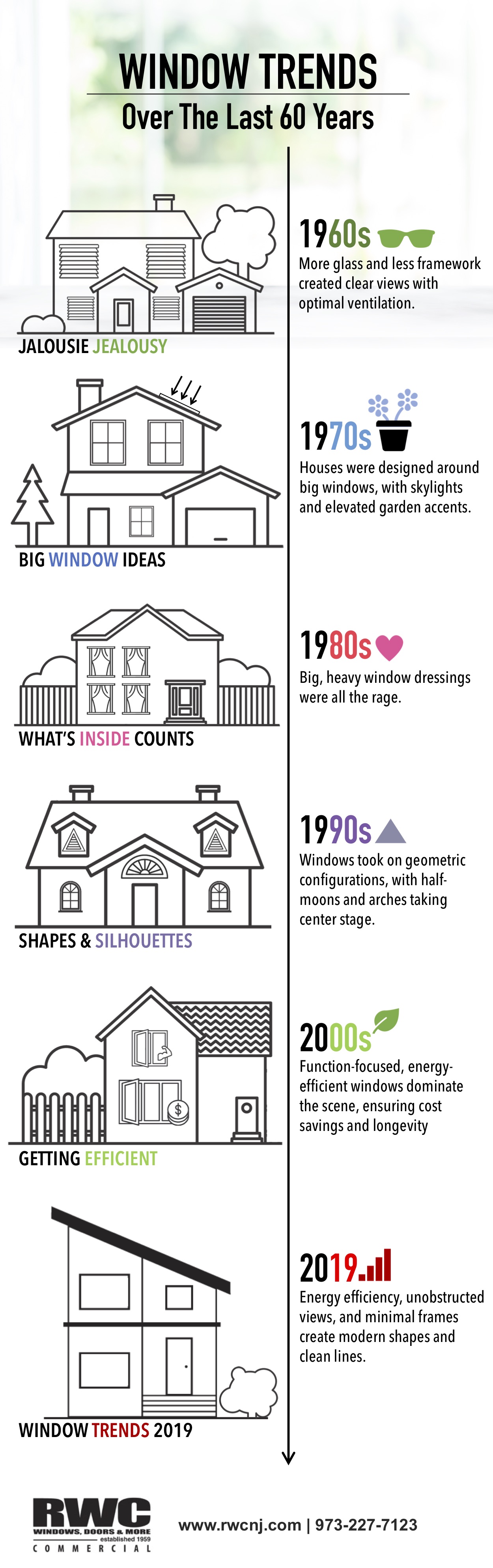
- 1960s: Jalousie Jealousy. In the 1960s, "keeping up with the Jones's" meant keeping multiple panes of glass built into a single window structure. These windows offered more glass and less framework, which prevented blocked views so people could easily see outside their homes. They also provided optimal ventilation in homes that weren't yet equipped with central air conditioning, allowing air to flow freely between the slats and into houses. Because of the way they open, they enabled people to enjoy fresh air, even when a torrential downpour was occurring outside. Jalousies weren't the most secure window options, and they started to be phased out once central A/C began to popularize because they weren't the most energy-efficient option.
- 1970s: Built for Big Window Ideas. In the 1970s, houses were designed around the windows, not the other way around. Just look at the front of the Brady Bunch house—there's one main window on the left and another big window on the right. From the outside, they may not seem that massive, but they provided all the natural light the front of that home received, and spatially, they actually take up quite a bit of the exterior. The '70s also introduced skylights and elevated gardens, which, in retrospect, worked in perfect harmony with each other.
- 1980s: It Was What Was Inside That Mattered. The trend in the '80s didn't have so much to do with what was on the outside; the focus was on the interior, with homeowners often decorating their houses with floor-to-ceiling drapes. The focus had shifted from window designs for home exteriors to interiors, and big, heavy window dressings were all the rage.
- 1990s: Shapes and Silhouettes. The '90s invited windows with shapes and geometric configurations. Frankly, they weren't easy to install, nor were they easy to find proper window coverings for. Perhaps that's why people sought them out—for a bit of esteemed status from onlookers, whether they were inside or out. Half-moon shapes and arches donned the aesthetics of homes built in this era.
- 2000s: Getting Efficient. With the new millennium well in play, homeowners began to opt for energy-efficient windows that would save them money while still looking stunning. However, the focus was no longer so much on style as function. People began to look harder at the types of frames their windows could have, the type of glass that would save them the most money, and above all—how these factors would work together to last for a very long time without need for maintenance or repair in the foreseeable future.
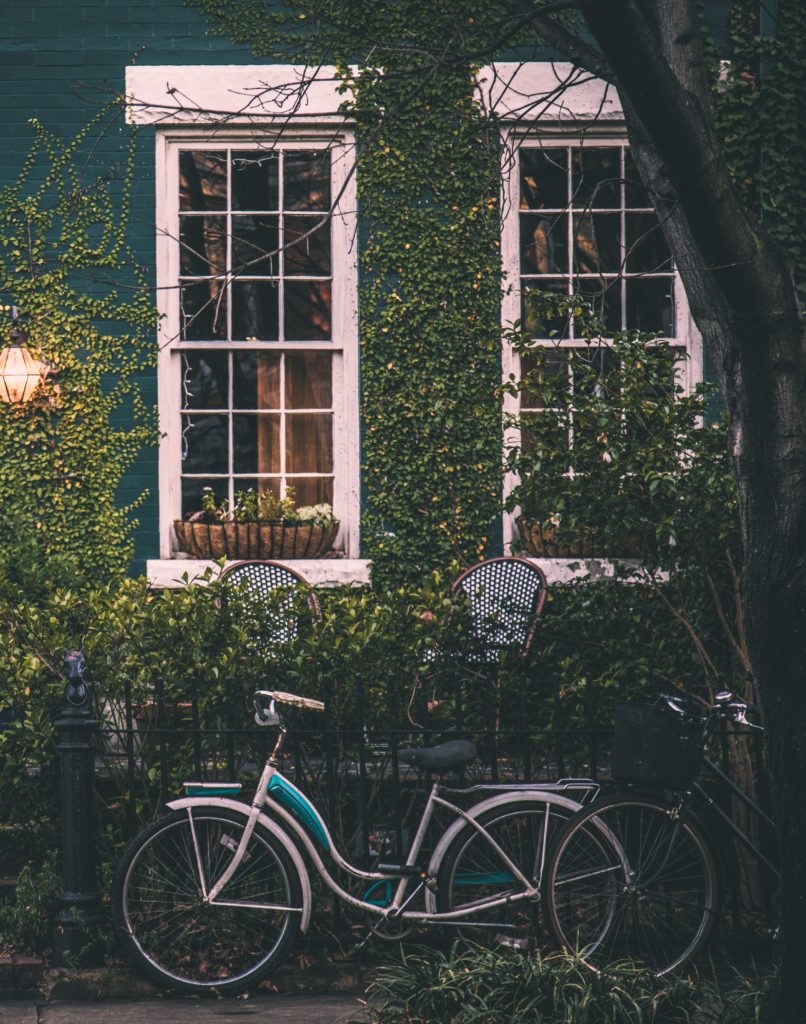 Window Trends 2019
This year, we're looking at big window ideas once again, but we're doing them differently than folks did in the '70s. Nowadays, the focus is on energy efficiency, unobstructed views, and minimal frames. As technology and design improve each year, RWC Windows, Doors & More is able to offer our customers outstanding windows that can literally cover the entire face of a home without losing efficiency. Today's windows are large and in charge, offering unabashedly modern shapes, clean lines, and full views to the outside world.
RWC Windows, Doors & More offers window treatments New Jersey homeowners love and trust. If you're ready to beautify your home and experience greater energy efficiency, we're ready to help you get there! Touch base with our team so we can get started!

Is It Time to Renovate Your Kitchen? A Diagnostic Assessment
It's one of the most functional rooms in the house, so a complete kitchen renovation is a huge undertaking for any residence. It's easy to put off a kitchen remodel project until it simply cannot be avoided, even though the costs of a renovation can be recouped by as much as 69 percent if you sell your home. But there are certain signs that should tell you when to remodel your kitchen.
You can get by with a few little annoying quirks in an outdated kitchen space. But if you can go through this list of pain points and find more than half of them to be issues you completely understand, it is a good sign now is the best time to remodel kitchen fixtures, features, and layouts. Let’s go through some of the biggest indicators that it’s time to get started.
1. You don't have enough space for storage or food prep
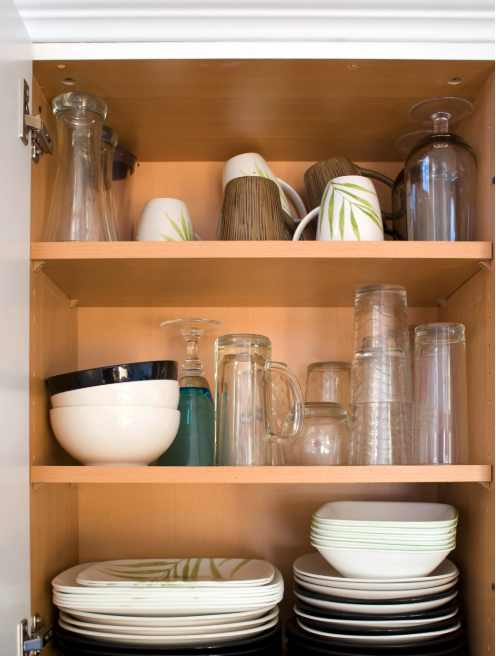 This is one of the biggest signs your kitchen needs some upgrading. If you are constantly fighting to make enough counter space to cook, have to strategically place things in your cabinets to make them fit or practically climb over furniture to get around, your kitchen needs more space. Another sign indicates you are constantly fighting to keep clutter at bay so the room doesn't look messy.
2. There is no logical traffic flow path through your kitchen.
Having enough room around the primary work surfaces for prime traffic flow in the kitchen is key. According to HGTV, the modern kitchen should have a work aisle between appliances, and counters or other work surfaces should be around 42 inches wide. If there is often more than one cook in the kitchen, you're going to need about four feet of space.
3. Your outdated kitchen does not line up with the rest of the house
You've made improvements to the rest of the house, but walking into your kitchen is a bit like taking a step back in time. The kitchen is the heart of the home. If it's out of line with the body of the house, the entire house can feel off-kilter. A renovation can ensure your home stays up-to-date.
4. Your kitchen is not as efficient as it could be
Outdated appliances could easily drive up the costs of using your kitchen. For example, an old dishwasher that uses too much water will have you doing dishes by hand, or an outdated fridge could be costing you more on your power bill. If the kitchen is not at all efficient, upgrades and a facelift can work wonders for how you feel about the space.
5. The kitchen is not safe
There are a few pretty good reasons to renovate your kitchen if it’s outdated, but one of the main ones is that your kitchen may not be all that safe. Things like in-island ranges and low-situated wall ovens can be a real safety hazard if you have children. If there are faulty things about your kitchen that pose a safety risk, it may be time to seriously consider a renovation.
6. Your lifestyle and your kitchen don't match

You love to cook. You dream of being able to entertain. But your kitchen is so tiny and cramped or difficult to maneuver that you rarely ever do either of these things. Your kitchen should match how you want to use your kitchen space. If it doesn't, it's a good reason to renovate.
7. You prefer to get takeout instead of cooking in your kitchen.
Do you find yourself avoiding cooking in your kitchen? If the idea of spending time in your kitchen has you looking up local takeout menus, it is definitely a good indication the space needs some work.
Key Takeaways to Remember About a Kitchen Remodel Timeline
- A kitchen renovation is easily neglected because it is a big job, but it is one of the most important for the home's value
- Your kitchen should be comfortable enough and roomy enough to cater to the size of your family or your intended kitchen uses
- An inefficient kitchen is an expensive kitchen and should be remodeled
If you checked over at least half of the items on this list, kitchen renovation should be penciled into your future plans. Contact RWC Windows, Doors & More to find out about how we can help.
Everything You Need to Know About Installing an Exhaust Fan In Your Bathroom
Homeowners know that moisture on interior surfaces of the home is not a good sign. Mold, mildew, rotting wood, and peeling paint are the result of condensation that has sat on surfaces too long. Your home's bathrooms are the perfect breeding ground for biological contaminants, which is why an exhaust fan in bathroom not working is a big deal!
Purpose of Bathroom Exhaust Fan
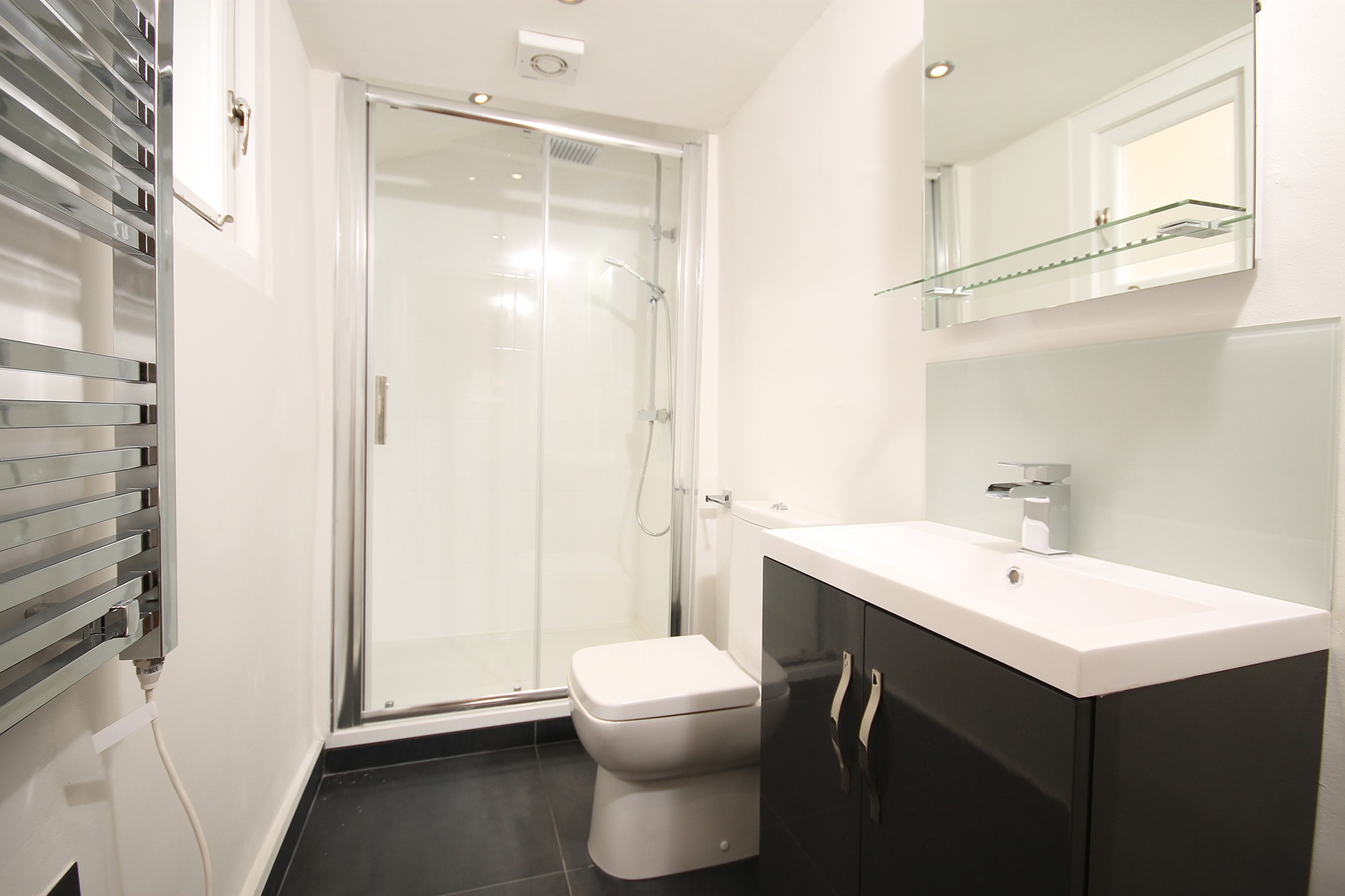
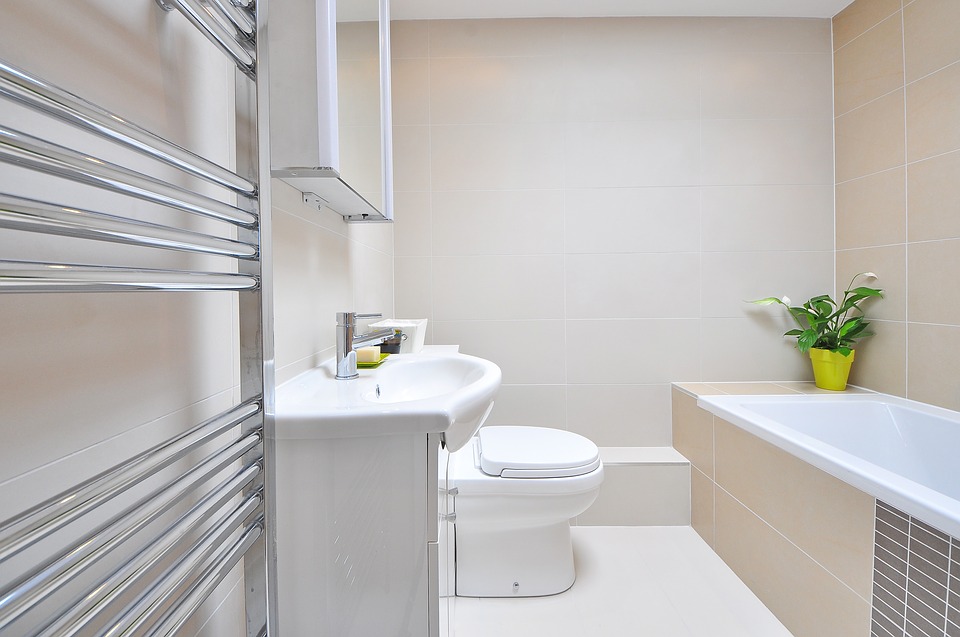
The primary purpose of a bathroom exhaust fan is to remove the moisture in the air when the shower or bathtub is in use. This is especially true when the hot water is running, as the steam will generate airborne contaminants, fog up mirrors, and leave condensation on bathroom surfaces. The secondary purpose of a concealed exhaust fan is to remove bathroom odors -- including the fumes that come from using strong cleaners. And finally, the exhaust fan will reduce humidity levels which can spoil your bathroom decor, particularly painted and wallpapered walls.
Bathroom Exhaust Fan Problems
Bathroom exhaust fans will typically last about 10 years, but this will depend on the quality of the manufactured components and how often the fan is used. Is your bathroom fan making loud sounds, not turning on and off, or does it have poor air flow? It could be caused by a number of problems. Some of these issues may be a DIY project for someone comfortable with hand tools and electrical circuits, but often a bathroom fan installation service professional can install the right size fan, wires, and circuit breakers for a longer exhaust fan life and better performance. By hiring a professional, you can avoid:
- A bad switch or frayed wiring
- Motor or other component has failed
- Loose electrical connections
- Missing fasteners causing rattle
Main Culprit - Exhaust Fan Bathroom Motor
When you hear unusual noises coming from the bathroom exhaust fan or it simply stops working completely, the fan motor can be burned out. You can replace the motor, but with most exhaust fans being fairly economical - a better solution is to have the bathroom exhaust replaced with one that performs more efficiently. According to HGTV, depending on the options you choose, plan to spend $80 to $400 for a new bathroom ventilation fan.
Sometimes the exhaust fan may fail with no prior signs. Fans and motors simply wear out over time due to frequent usage and the fact that moisture can cause electrical components to have a shortened life cycle. A squealing sound may indicate a problem with the exhaust fan bathroom motor bearings. This can cause the fan's motor to overheat, which can melt the insulation on wires and cause an electrical short circuit.
How to Choose a Bathroom Fan
When replacing your bathroom exhaust fan, consider how large the bathroom is, and what type of moisture generating fixtures you have. A whirlpool tub requires 100 cfm of airflow capacity, in addition to the 50 cfm for a bath/shower combo and 50 cfm for each toilet. Another way to size an exhaust fan for bathrooms under 100 sq. ft. is to allow 1 cfm of exhaust capacity for every square foot of bathroom floor space.
Also, consider the noise level of the fan you choose. A bathroom should provide a soothing and calm experience. Choose an exhaust fan that is exceptionally quiet. Avoid those that are rated in excess of 4.0 sones ( degrees of loudness) as they tend to be noisy.
Partner with RWC Windows, Doors, and More for expert bathroom fan installation service with the latest in smart options, including:
- Motion sensor activation
- Humidity sensing
- Built-in heaters
- Low Wattage night light
Choose an exhaust fan that has the EnergyStar label for efficient operation. While you may be able to remove a failed bathroom exhaust and replace with another that has similar connections, if your new fan has any of the above listed options, it is always best to allow a professional to handle the installation.
Take-Aways
- The size fan you choose depends on your bathroom fixture types
- A failed motor is usually the reason for non-working exhaust fans
- A broken exhaust fan can lead to peeling paint and mold problems
- Calling a professional is the best way to ensure your fan is secure
RWC Windows, Doors, and More has been providing high-quality bathroom renovations to New Jersey homeowners that exceed their expectations. Get started today by requesting a quote to relieve you of your home improvement worries!
Tips for Fixing a Door That Has Swollen
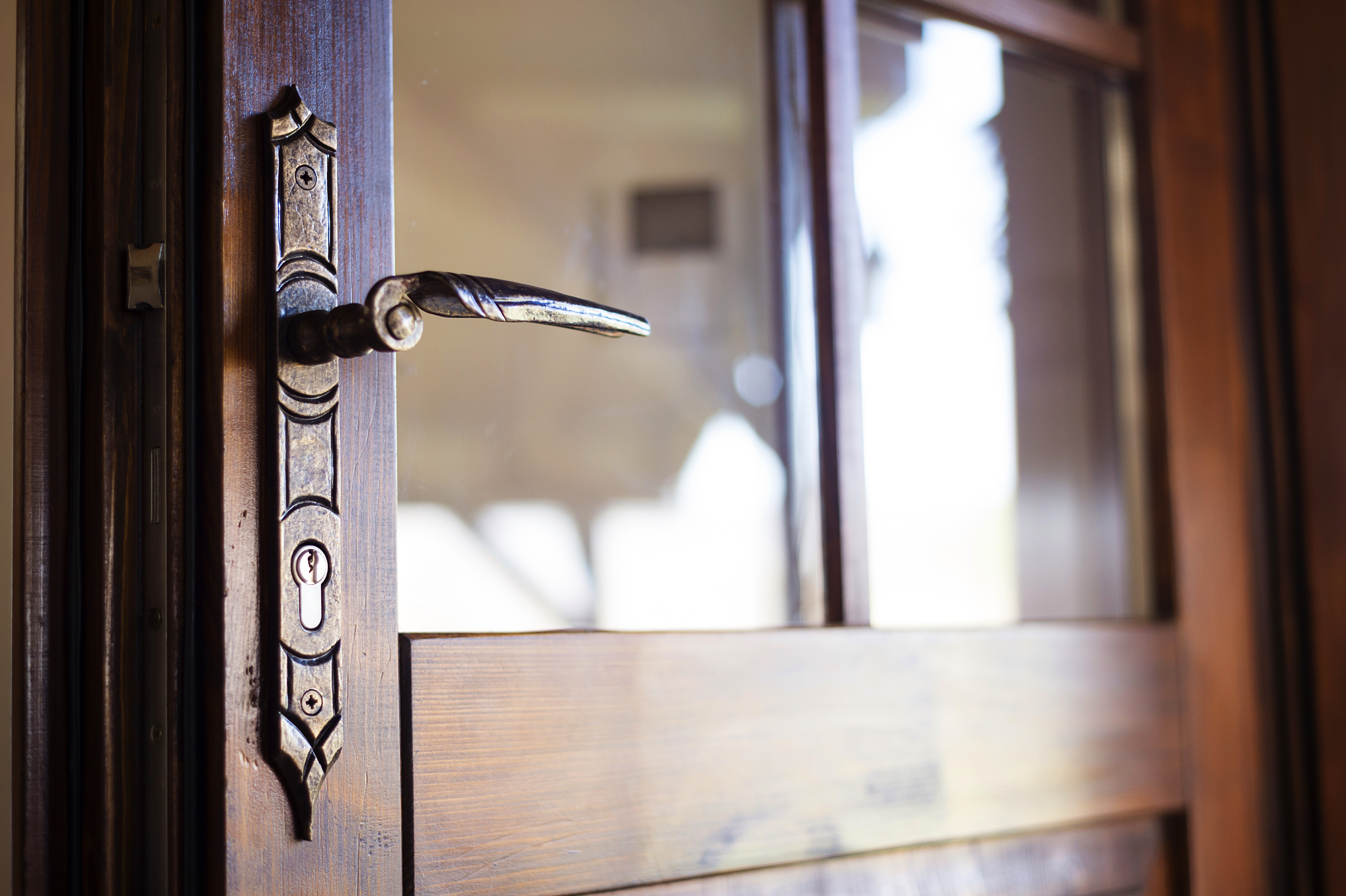
That gorgeous wooden door you picked out for your home tied together traditional look and function you wanted, and that investment sure has served you well. Unfortunately, one day you find that your wooden front door expanded and it will no longer close smoothly.
Wood is porous, which means when it is exposed to moisture, it can absorb that moisture and swell. When a door is installed in a door frame, it is fitted exactly to the size of that frame, so if the door changes shape, it can create a lot of problems. Take a look at some of the things you should know about how to fix a swollen door.
What Causes A Swollen Door?
Even though moisture exposure is the most likely culprit if you have a swollen door, there can actually be a few reasons why a door will warp, swell, and change shape. According to Hunker, a door can swell if there is a heat source close to the door, so keeping heat sources at least 36 inches away from the door is best. Poor ventilation can also cause a door to swell, especially interior doors if your home is especially humid.
Will a Swollen Door Go Back To Normal?
Wood can expand and contract as it is exposed to moisture and changes in climate. However, if a door is swollen a great deal due to heat or moisture exposure, it is unlikely that it will revert to its original shape. For example, if your front door has absorbed a tremendous amount of water due to exposure to the rain and lack of sealant, the moisture may eventually dry out and evaporate, but the structure of the wood fibers can be changed forever.
How Do You Fix a Swollen Door?
If you're wondering how to fix a swollen exterior door or interior door, you should know that this is no easy feat. If a door only has minimal swelling that is causing it to rub against its frame, you may be able to remove the door and plane down the swollen area with a sander. However, anything beyond the most minimal swelling is not an easy fix. Some doors can't be fixed at all, and any efforts made to mend them can make matters worse. It is always a good idea to bring in a professional for an opinion before you go through the trouble of trying to fix a swollen door on your own

Key Takeaways to Remember About Swollen Doors
- Front door swelling from water is often due to lack of protective finishing, so prevention is key to avoiding the problem
- Both interior and exterior wooden doors can have problems with swelling, but exterior doors more commonly have problems
- Keep your doors away from heat and water sources as much as possible to avoid problems with swelling
- Repairing a severely swollen door is not always possible without ruining the integrity of the door; replacement may be necessary
- Make sure you pick well-built doors that will be less likely to swell
Even though having a swollen door can seem like a simple problem, it is not always an easy problem to fix. Plus, there could be underlying issues why the door is swelling that need attention. Reach out to us at RWC Windows, Doors & More for an assessment of a swollen door or for help with finding a replacement.
What Can We Learn From Tiny House Designs
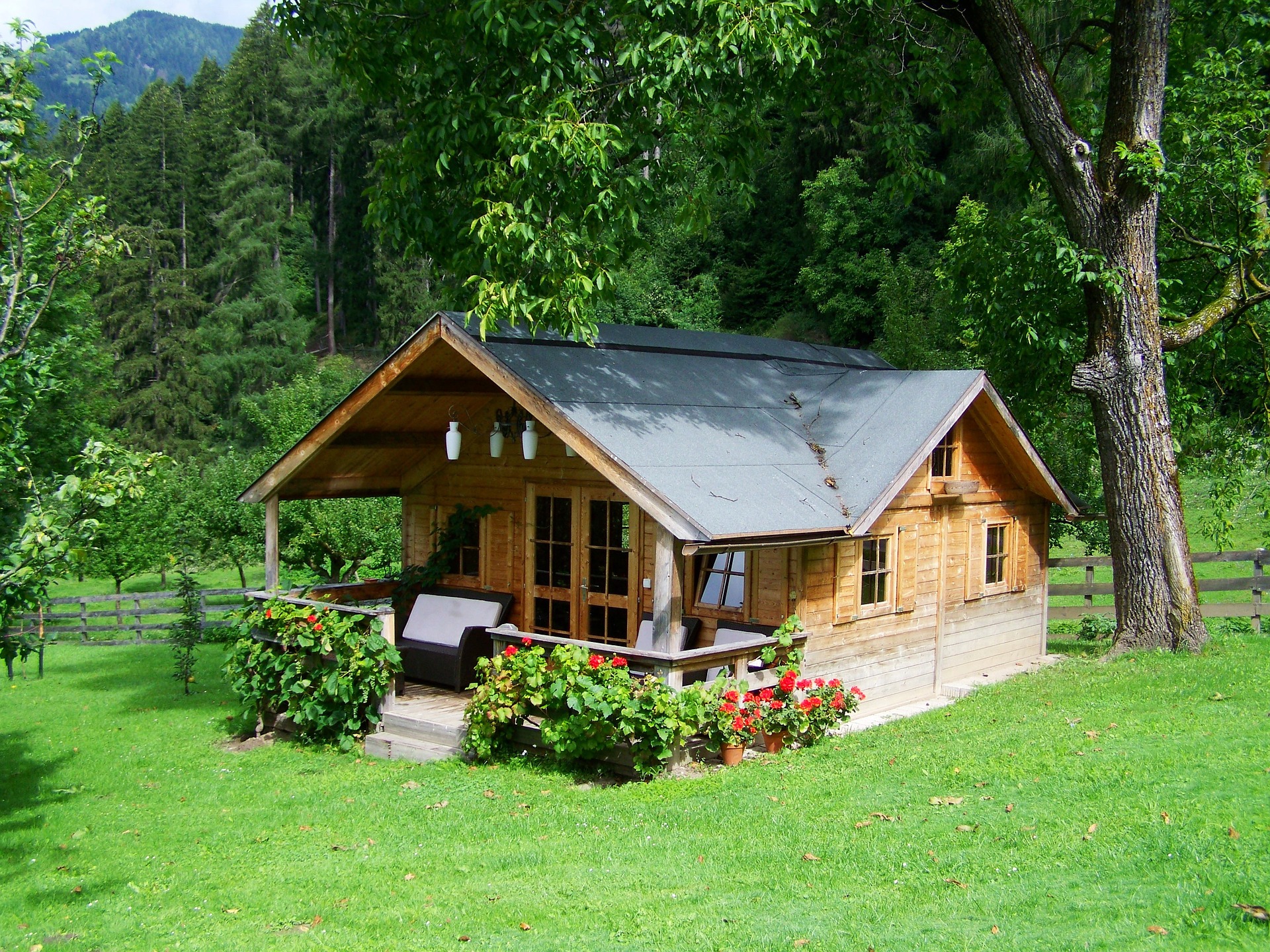
Traditionally, Americans have associated large homes or mansions with wealth and luxury. However, the modern trend of tiny house designs and floor plans has proven itself a worthwhile concept which deserves consideration. Small house design ideas have proven themselves a viable alternative to traditional homes, especially for the eco-friendly homeowner who desires a quality built home which serves their daily needs and suits a modest budget.
 Determining What Has Value and Is Important
The idea of tiny home solutions comes into play when someone really considers what they need to live comfortably, and what space in a house might be excessive. The money spent for the extra square footage of guest bedrooms isn't really needed unless a person routinely entertains overnight guests, but even then, there are other ways to provide sleeping spaces without specific rooms dedicated only for guests. Of course every home requires a kitchen, but it doesn't have to have storage room for every ridiculous cooking gadget sold on tv. Cooking can become quite simple once the homeowner realizes how little space is actually needed to prepare food. Minimalism is the basis of small home living and tiny house designs.
Efficient Use of Space
The real concept behind tiny home design is how to efficiently use space and how to make every area perform multiple tasks. There doesn't have to be a living room and a separate office, as office furniture can easily double for regular living when someone has finished working for the day. A fold-up bed can allow for a bedroom to actually just be the size of the bed -- which is all the space needed when sleeping. And when the bed is removed, the room can have other purposes. Alternately, a sofa or cot can even be used for sleeping in the “living room”.
Eco-Friendly Footprint
A large consideration by many people who choose to live in smaller homes is that of being environmentally friendly. The basis of an eco-friendly lifestyle is simplistic in nature. Not only does the smaller home use fewer materials to build, it takes less energy to heat and cool, less energy to light, less power to heat smaller batches of water, and often has a smaller stove and refrigerator which are likely to incorporate energy efficient designs. Tiny house decorating ideas include simply having less artwork, decor and junk, as there is only room for what is absolutely necessary.
Incorporating Tiny Home Solutions with Traditional Design
Tiny house designs for families can be a bit more difficult than preparing a small home for a single person or young couple, but can definitely be accomplished. The key is to determine what spaces are really important for everyone to be comfortable. Children can typically share bedrooms, but that may change around teenage years. A larger family might think they need a living room and a den, but perhaps not if the kitchen can also serve as space for regular activities. The key here is having items or spaces that are multi-functional, that can benefit many every member of the household.

Takeaway Points
A tiny house may not be for everyone, but the ideas can be applied to any home.
- Determine what is important, valuable and functional - and get rid of the rest!
- Utilize eco-friendly designs and multi-functional objects
- Understand a tiny home isn't for everyone, but aspects of the concept can be made suitable.
- Condense and combine furniture and other large objects if possible.
Conclusion
For designs and ideas about how to incorporate small home concepts into your next renovation or home building project, give us a call at RWC Window, Doors, and More. We are fully licensed and insured, and one of our professional representatives will be happy to discuss your plans and needs with you and describe how we can help fill your goals.