

How to Increase Natural Light in Your Home
Does your home feel a little dark, grim, and dreary? If so, there's a good chance that it is suffering from lack of natural sunlight. While controlling the level of light in the house is important, it is just as important that you nurture and encourage light to spread throughout the house. Doing so can work wonders for your interior design and even make your home look cleaner, more modern, and larger. The secret lies in knowing the tips and tricks to bring more light indoors. In this article, we will go over how to increase natural light in your home.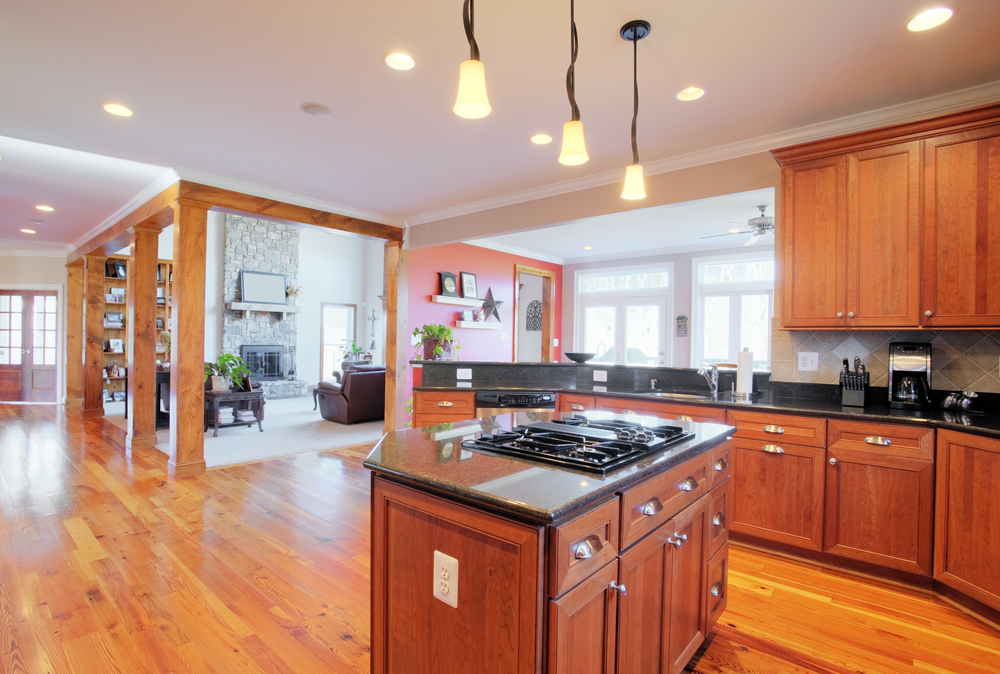
6 Easy Ways to Increase Natural Light Indoors
Utilize the Power of Strategically Placed Mirrors
Mirrors are an incredibly valuable thing if you need more sunlight in a space in your home. You can place a mirror opposite of a window and see double the natural light because the mirrored surface will reflect that light back out into the space. Mirrors can also be useful in hallways to pull illumination from another section of the house down the darkened corridor where there may be no natural light at all.
Use Lighter Paint Colors
If you have a room in your home that has little naturally available light, you want to support and reflect the small amount of light as much as you can. This is easy to accomplish by picking lighter hues over darker ones where paint color are concerned. Lighter paint colors naturally reflect more light, which can help evenly distribute the brightness available.
Opt for Window Covers That Allow Light In
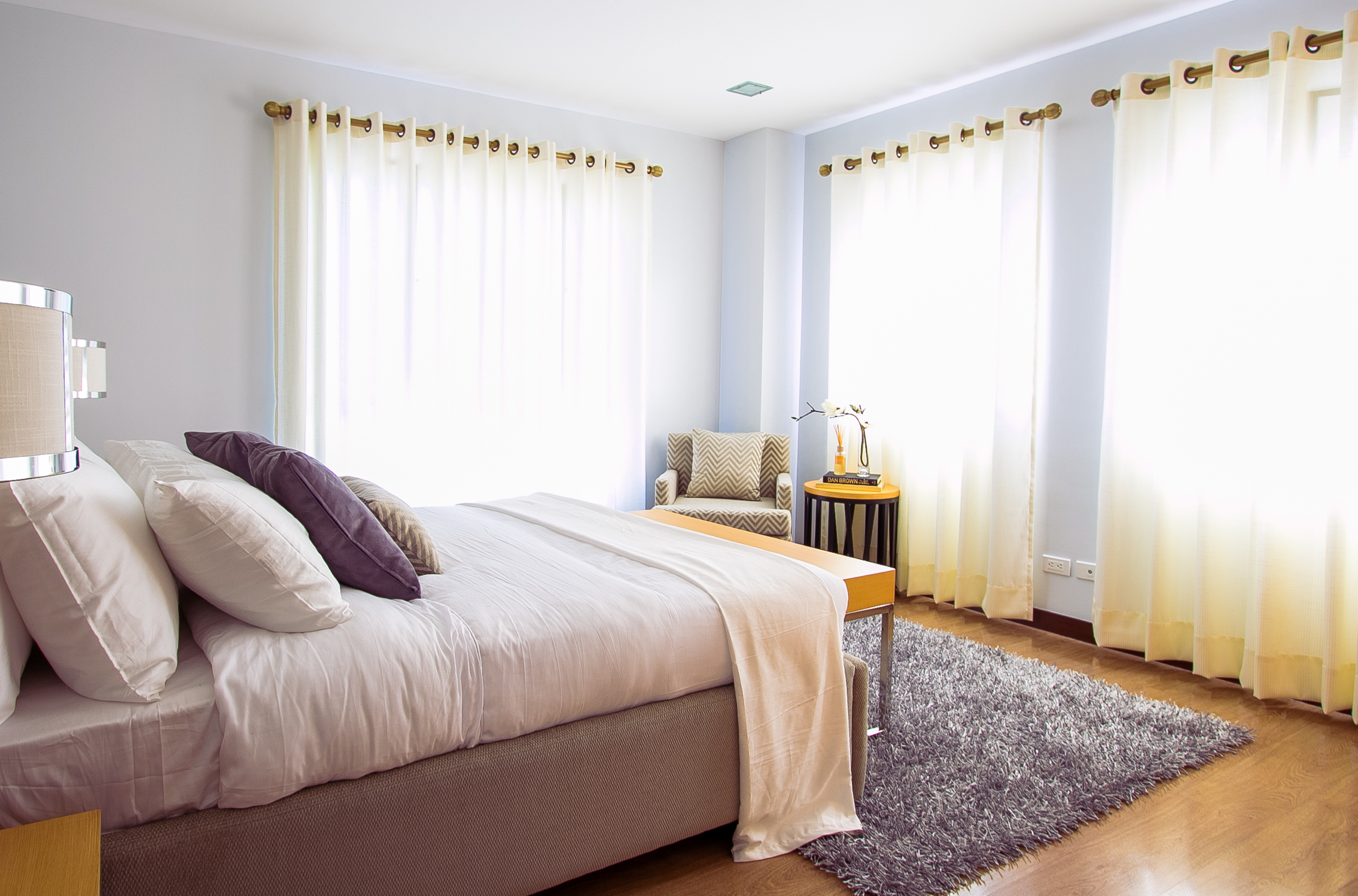
The type of window covers you choose make a huge difference in how light is allowed into the space. Instead of heavy drapes and solid shades, stick with light filtering blinds that can be opened or closed and sheer curtain panels that allow a certain level of natural sunlight to seep through.
Make Use of Mirrored Tiles
In low-light areas, such as in the space between the upper cabinets and the countertop in your kitchen, you can add mirrored tiles to naturally lighten up the dim space. Likewise, mirrored tiles are an excellent addition to a dimly lit bathroom if you need a lighter, brighter appearance.
Install New Doors
Solid wooden doors may be the most popular doors, but if you are trying to achieve more natural light in your home, other types can be much more logical. For example, double French doors have windowed centers that allow the sunlight inside and sliding glass doors offer a full double-dose of sunlight almost from the floor to the ceiling.
Consider New Windows
It is not uncommon for older homes especially to have fewer windows, which can mean you have to deal with very little sunshine inside the house. Thankfully, RWC can help you install new windows where there is wall space to do so. Likewise, switching from one type of window to another can change light levels. For example, a bay window offers an incredible amount of light compared to a basic double-hung window.
Key Points to Remember
- Mirrors are an easy way to spread light through the home.
- Changing the windows and doors can totally enhance the level of light inside your home.
- Stick with lighter paint colors that reflect light.
- Use mirrored tiles in dim-lit areas, such as the backsplash in the kitchen.
- be careful with window treatment selections so you don't block too much light.
Spaces with natural light offer an array of advantages, from designer and architectural appeal to benefits for your health. Therefore, working to incorporate natural light into your home can completely change how your home appears, functions, and even how it affects your body. If you're looking for some inspiration, check out our design ideas. If you want help with implementing more natural illumination in your home, reach out to RWC for help.

How to Increase Storage Space in Your Small Bathroom
Even though your home's bathroom may be small and charming, lack of storage in this space can leave you surrounded by clutter. According to This Old House, a full bathroom must have at least 36 to 40 square feet, which is substantial enough for the necessities but does not leave room for much else. In a small space, the key to optimal functionality is in making the best of the space you do have. Check out these seven easy ways to increase storage space in your small bathroom.
Implement Under-Sink Storage
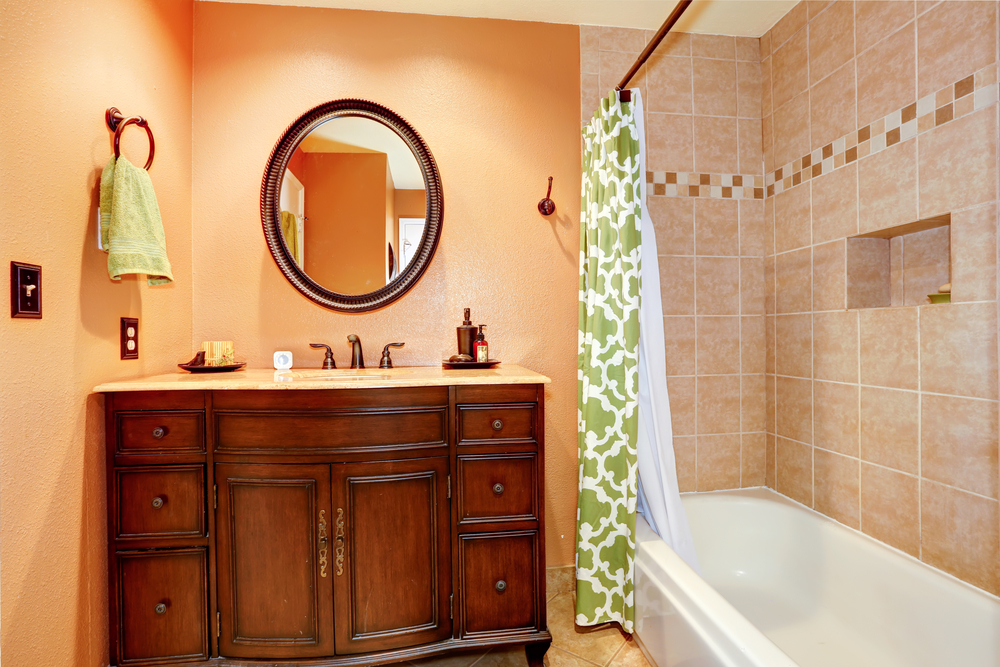
The space under the sink is reserved for the necessary plumbing, but there is still room for some small shelves. Select a vanity that houses the plumbing and gives you ample storage with cabinets and drawers for all those bathroom necessities.
Install Custom Cabinetry
Custom cabinetry is more common in the kitchen, but it works out just as well in the bathroom. If you have a small amount of space to work with, integrating custom cabinetry that is designed for your space can give you all kinds of new storage opportunities. Custom cabinets can have a shallow stance or be fitted into the depth of the wall to maximize space and storage.
Integrate a Built-In Shower Niche
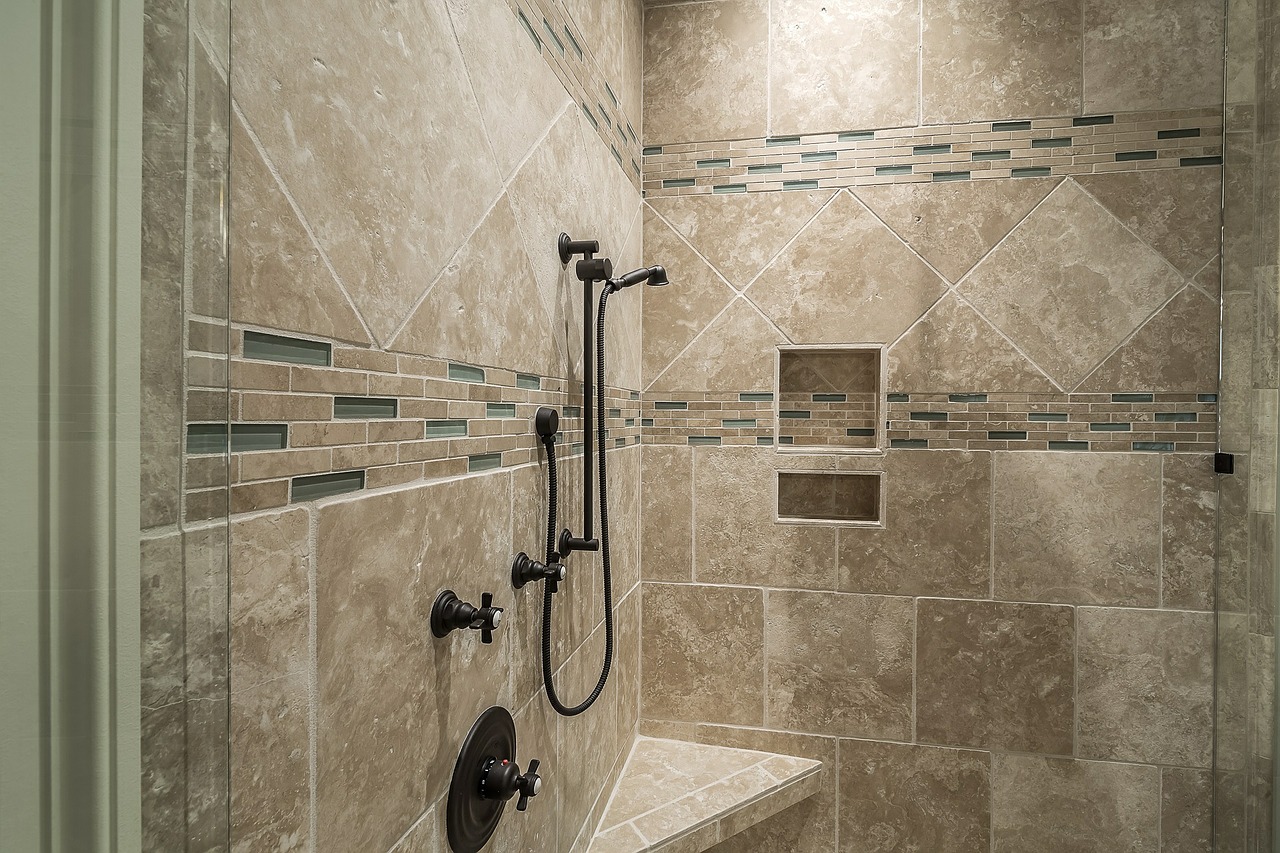
A shower niche is a recessed section or integrated shelving unit inside the shower or tub where you can place everything from shampoo and soap to loofahs and sponges. Some tub and shower surrounds have these handy niches built right in, but the niche can just as easily be installed by a good contractor in the wall with a tiled surface. This built in solution saves the need for additional shower shelving or other storage for all your bathing necessities.
Install Shelving in Small Spaces
There are numerous spaces that are left empty in the bathroom that could potentially house extra shelving space. A few examples include:
- the narrow area between the sink or vanity and the wall
- the space between the toilet and the wall
- over the toilet
- between the shower or tub and other fixtures
These spots may not offer a lot of floor space, however, they offer vertical height, which means they can be ideal for slim line shelves.
Include Towel Holders and Hooks
Never disregard the importance of towel hooks and holders. These simple fixtures are easy to install and will prevent the space from being cluttered with towels. Installing a hook or towel holder behind the bathroom door is a simple solution to keeping your towels out of sight and off the sink. It also allows for the towels to dry quicker.
Upgrade Your Medicine Cabinet
The medicine cabinet offers a valuable bonus of extra storage space if it is the right model. Many homes only offer merely a mirror with no shelving behind it; a missed opportunity to create more storage space! Upgrading your medicine cabinet is a simple solution to keep your toothpaste, lotions, soaps and other personal items out of sight.
Redesign to Create Storage Space
Sometimes the bathroom’s functionality is the issue. A poorly design or awkward configuration could be preventing you from adding the storage you desperately need. Redesigning your entire space allows you to create a better configuration and more storage.
Points to Remember to Increase the Storage Space in Your Small Bathroom
- utilize the space available under the sink, even if it means installing a new vanity
- custom cabinetry can totally change how much storage you have
- shower niches help house all those bathing necessities
- make use of space from floor to ceiling with shelves
- never underestimate the importance of shower hooks and towel racks
- upgrade your medicine cabinet and take full advantage of this usable space
- Redesigning your bathroom’s current layout to create more storage options
A small bathroom can be a downside to your home, but with a little creative ingenuity, this space can be completely functional and . To find out more about a bathroom remodel, reach out to RWC for expert information and advice.
The Ultimate Guide to Choosing the Right Door [Infographic]
Choosing The Right Interior Doors & Exterior Doors:
When you think of curb appeal, are you immediately envisioning lush landscaping, white picket fences, and perfect accent colors? If so, you're overlooking one of your home's most notable statement pieces: your front door. Functional and fashionable, your door has a lot of responsibilities. It welcomes visitors in, keeps strangers out, and carries an incredible amount of weight when it comes to the overall aesthetic of your home.
You didn't realize how important your door was before, did you?
Now that you know what a great door can do for you, allow us to unlock the mysteries behind choosing the right one.
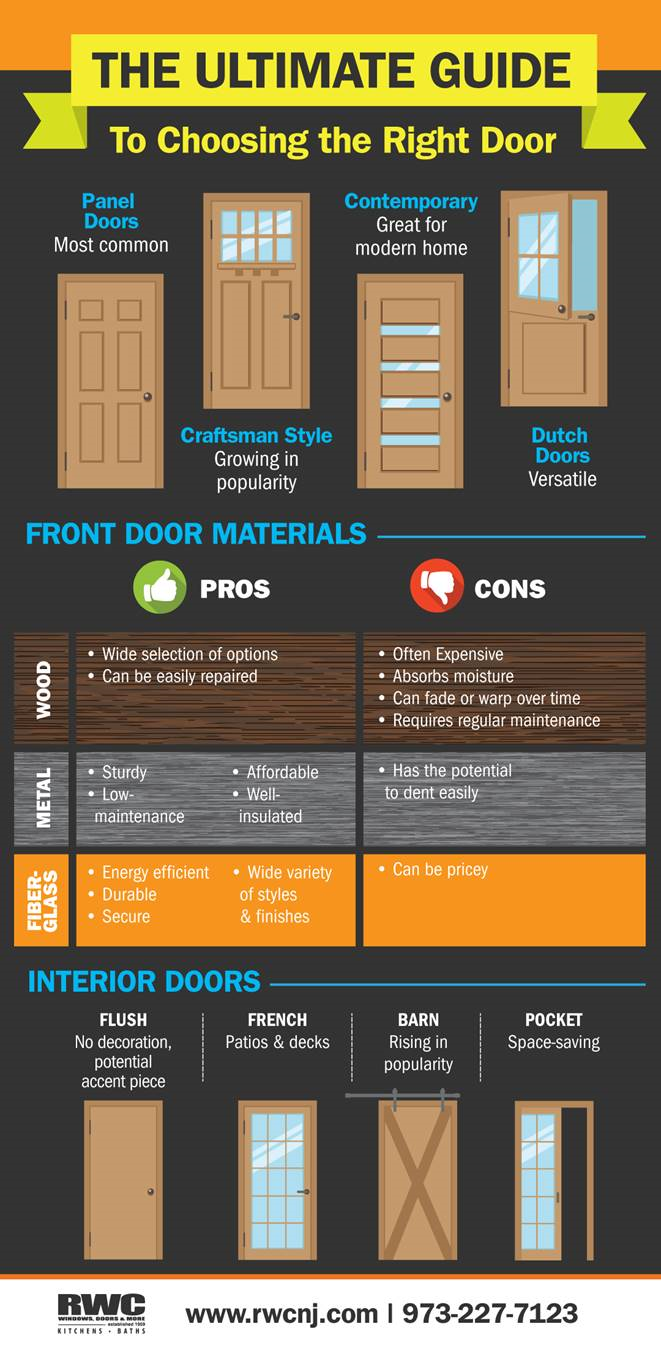
Typical Types of Front Doors
- Panel Doors. Probably the most popular doors on today's homes. They feature smooth, framed sections, surrounding deeply embossed panels. They may feature a window insert (lite.) May be used as interior doors or exterior doors.
- Craftsman Style. Popular in New Jersey because they offer a combination of simple design with complex style. Older, more traditional-style doors are accented by intricate glass work on the sides and at the top, bringing and old-meets-new mentality.
- Contemporary. Modern doors designed with artistic output in mind. Contemporary doors are great for modern homes, and work particularly well with brick houses. They're usually inlaid with elaborate glass.
- Dutch. Designed with a horizontal divide, allowing you to open the top half and let fresh air into your home without opening the entire door
Different Designs for Your Home's Other Doors
- Flush. Solid doors with no decoration, usually used for the interior of homes. Can be painted, stained, or wallpapered.
- Design Tip: If you're not comfortable painting an entire wall with an accent color, start with your door.
- French. Often used for patios and decks or to introduce formal interior spaces, but can also be elaborate front door options. Come in pairs, meeting in the middle and swinging away from each other to open. Usually elaborate, featuring a frame that encases window panels.
- Design Tip: Don't skimp on the details. French doors go great with elaborate hardware that wouldn't work well for some other types of doors. These doors let you step out of your box and get a little exquisite when you're shopping for accessories!
- Barn. Quickly increasing in popularity, these doors are hung from a rod that allows them to slide from side to side. Often used for closets and bathrooms.
- Design Tip: Use reclaimed wood for a home that has a rustic feel and country appeal. This style can also be modern and chic with metal doors and wrought iron rods.
- Pocket. Great space-saving options for New Jersey's older homes that have unique challenges when it comes to style and design. These doors disappear into the wall, maximizing space in even the smallest of places.
- Design Tip: Figure out where you're most frustrated with space, then look online for homes with similar setups so you can see their pocket door solutions.
Main Door Materials
- Wood. Offers a seemingly endless supply of wood species, stains, colors, and finishes.
- Pros:
- Incredibly wide selection of customizable aesthetic options
- Dents, dings, and scratches can be easily repaired
- Cons:
- Often Expensive
- Absorbs moisture -- something to keep in mind in New Jersey
- Can fade or warp over time
- Requires regular upkeep and maintenance
- Pros:
- Metal
- Pros:
- Sturdy
- Low-maintenance
- Affordable
- Well-insulated
- Cons:
- Can be susceptible to rush
- Has the potential to dent easily
- Pros:
- Fiberglass
- Pros:
- Energy efficient
- Durable
- Super secure
- Wide variety of styles and finishes (Can even emulate the appearance of wood)
- Cons:
- Can be pricey
- Pros:
At RWC Windows, Doors & More, we know doors. After all, they're in our name! We've been helping New Jersey homeowners choose the right doors since 1959, and we love what we do. From shopping assistance to full-service installation, our team does it all. Take a look at our full line of front entry door replacement services today!